
“Are We a Dysfunctional Family? Or Just Struggling With Tone of Voice?”
Are we really a dysfunctional family, or are we struggling to be heard? This blog explores how tone of voice, stress, neurodivergent communication, and nervous system overload can make everyday family interactions feel harder than they need to be.

“Why My Child Gets Distracted — And Why It’s Not Just ‘Not Listening’”
Why does my child get distracted so easily — and why don’t they return to the task? This blog explains how ADHD affects reaction, pausing, and working memory, and why this isn’t about “not listening.”

“Why Does My Child Only Do Things If There’s Something In It for Them?”
Why does my child only do things when there’s a reward? This blog explains why ADHD motivation is often external, how dopamine affects effort, and why this isn’t selfishness or bad parenting.

Intrusive Thoughts: What They Are, Why They Happen, and When to Seek Support
Intrusive thoughts are far more common than people realise. This blog explains what they are, why they happen, when they’re normal, and when it’s time to seek support — without shame or fear.

From Pathological Demand Avoidance(PDA) to Pervasive Drive for Autonomy(PDA)
PDA is no longer best understood as demand avoidance. This blog explains the shift from Pathological Demand Avoidance to Pervasive Drive for Autonomy, and why understanding autonomy changes how we support autistic people.

Living in Two Worlds: The Hidden Chaos Behind ADHD Success
Many people with ADHD look successful on the outside while struggling behind closed doors. This blog explores the hidden chaos, burnout, and emotional cost of masking — and why understanding your brain changes everything.
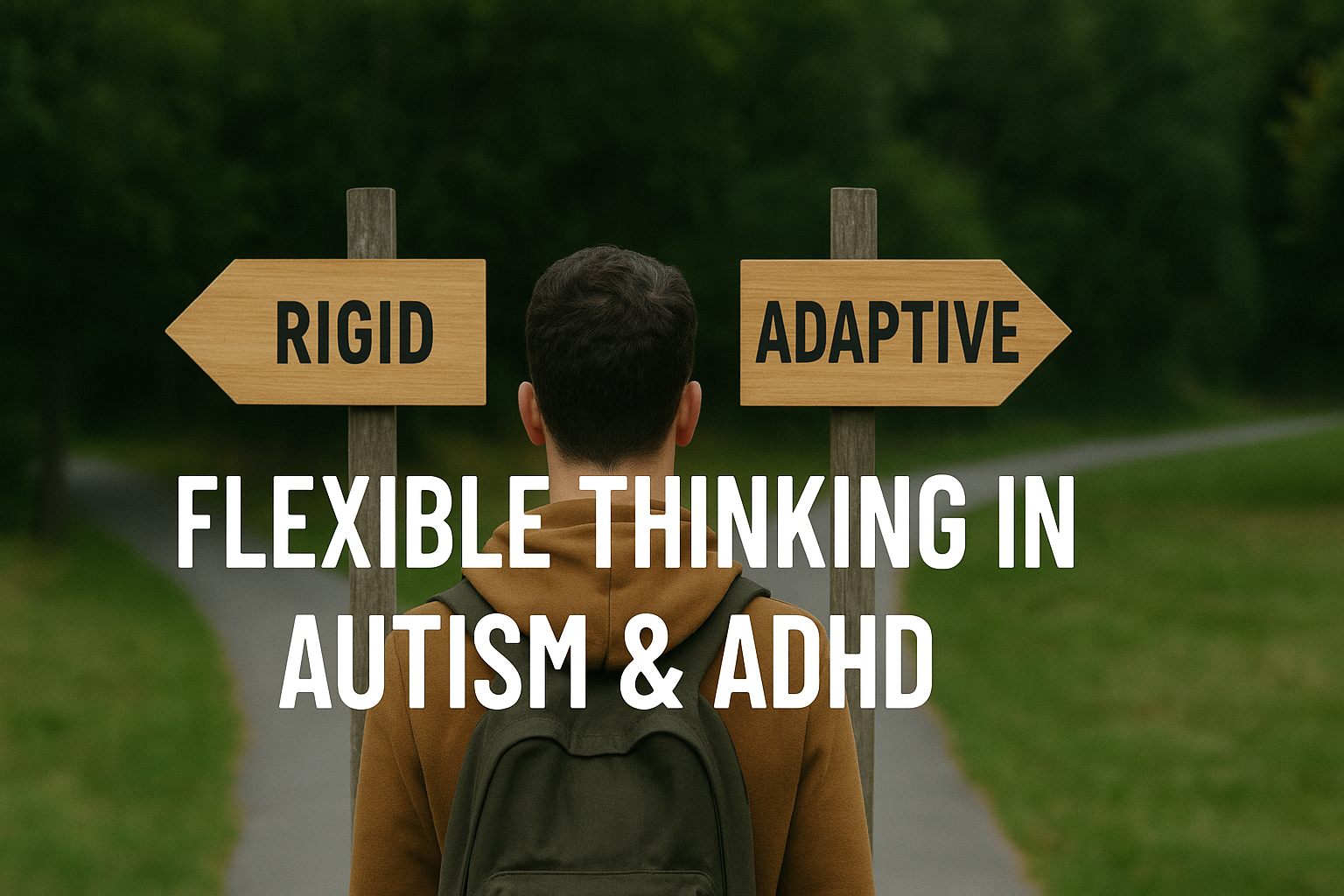
Understanding Flexible Thinking: Why Autistic and ADHD Young People Can Become Rigid — and Vulnerable to Outside Influence
Autistic and ADHD young people are often described as “rigid,” but this isn’t stubbornness — it’s a difference in flexible thinking. This blog explains why they may cling tightly to certain beliefs, become influenced by outside voices, and struggle to shift when something isn’t working. A supportive guide for families who want to understand and help their young person stay safe and informed.


Understanding Social Communication and Its Challenges for Those Who Are Autistic
Social communication involves far more than words. This blog explores the unique challenges autistic individuals may face with non-verbal cues, conversational rules, emotional regulation, and social expectations, alongside practical strategies for support.

How Weak Working Memory Can Impact Your Day
Weak working memory can make even simple daily tasks challenging. This blog explores how working memory difficulties affect routines, conversations, learning, and productivity, alongside practical strategies to help manage and support working memory in everyday life.

Understanding Your Own Autism or ADHD: The Path to Personal Mastery
Understanding your own autism or ADHD is the first step toward personal mastery. This blog explores executive functioning, sensory processing, co-occurring conditions, and real-life examples to help individuals build strategies that support their daily life.

Understanding Time Blindness in ADHD
Time blindness is one of the most misunderstood ADHD traits. It’s not about being lazy — it’s about how the ADHD brain processes time. In this blog, we explore why it happens and how to support children and adults who experience it.

Dismantling the Myth: Why Neurodivergent Diagnosis Helps Children, Not Harms Them
Many claim that neurodivergent diagnoses “label” children unnecessarily — but this misunderstanding harms children far more than the diagnosis ever could. In this post, I dismantle the myth that identifying ADHD or autism is negative, and explain why recognition and understanding are essential for a child’s wellbeing, identity, and development.

Alexithymia and Narcissistic Behaviour: Debunking the Myth
Many people confuse alexithymia with narcissism, but the truth is far more nuanced. This blog explains the real reasons autistic and ADHD individuals may struggle to express emotions—and why this has nothing to do with narcissistic traits.

Understanding Interoception and Alexithymia
A clear, relatable explanation of interoception and alexithymia — why autistic and ADHD people may not feel or express emotions the way others expect, and how internal body signals shape emotional awareness.

Time Doesn’t Move the Same For Us: Autism, ADHD and Picking Up Where We Left Off
A short, relatable explanation of why autistic and ADHD people often reconnect with others as if no time has passed — and why emotional memory works differently for us.

The Hidden Risks of Undiagnosed ADHD and Autism
Many autistic and ADHD individuals go years without recognition. This article explains what happens when neurodiversity is missed—covering mental health, safety risks, education, behaviour and why early psychoeducation changes everything.

The Intricate Link Between Low Dopamine, ADHD, and Depression
Low dopamine plays a major role in ADHD and mood. This post explains how dopamine affects focus, motivation and emotional wellbeing.

Emotional Regulation Won’t Improve Until We Understand What’s Really Going On
This blog explores why emotional regulation is difficult for autistic and ADHD individuals, what’s happening in the brain, and strategies that genuinely help.

Understanding Autism in Girls: Recognising Distinct Signs and Supporting Neurodivergent Youth
Autism in girls is misunderstood and frequently overlooked. This blog explains the unique signs and offers clear support strategies for families.