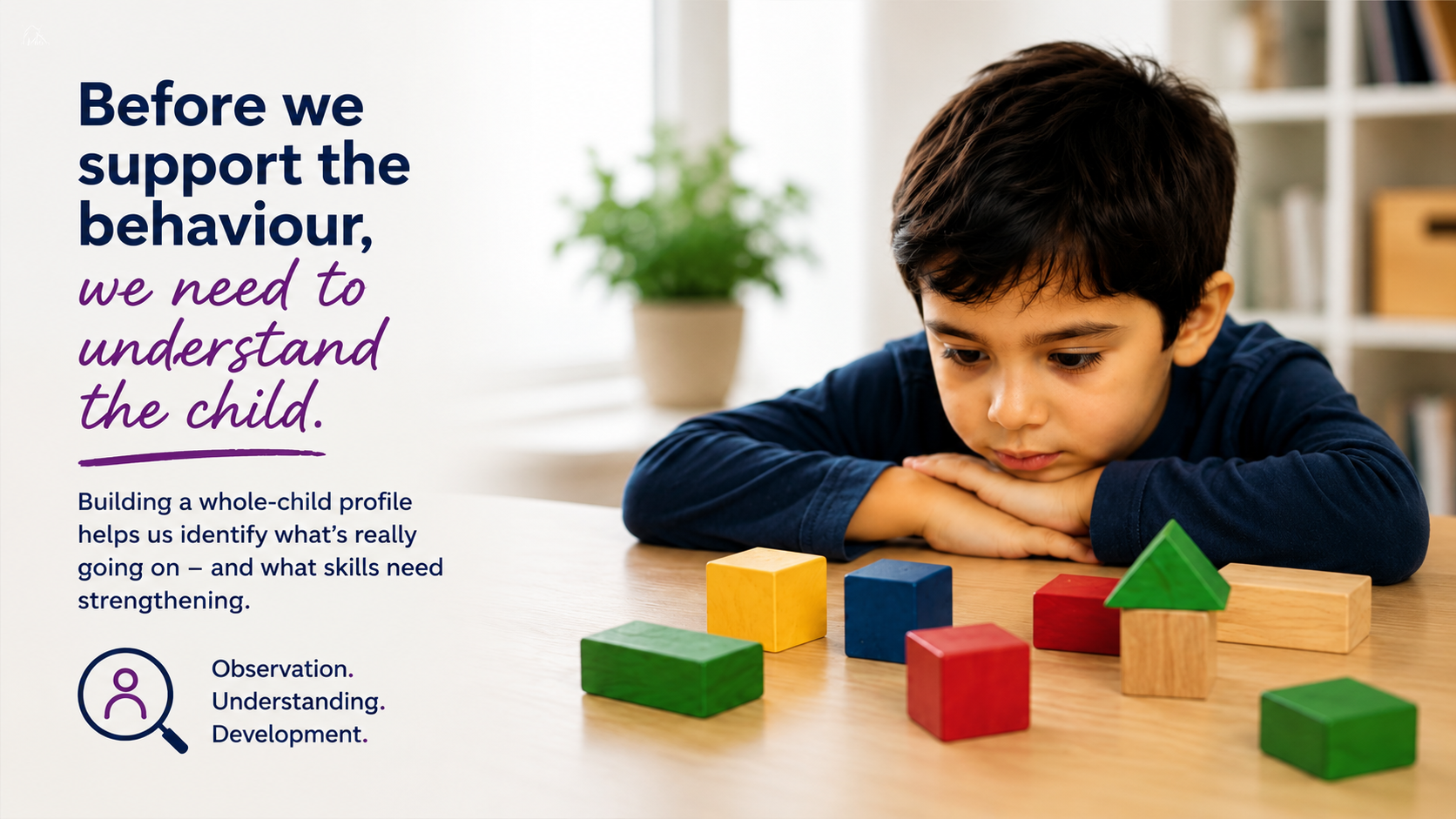
Before We Support the Behaviour, We Need to Understand the Child
We often notice the behaviour first. Interrupting, forgetting instructions, rushing, struggling with change or becoming stuck. But those behaviours can also give us clues about the underlying skills a child may be finding difficult to use. This blog explores why careful observation and cognitive understanding can help us build a fuller profile of the individual child.

Accountability and Executive Function: Why Consequences Are Not Enough
Children need to learn responsibility, but consequences alone do not teach working memory, organisation, task initiation or emotional regulation. Supported accountability helps children repair what happened while developing the skills needed for next time.
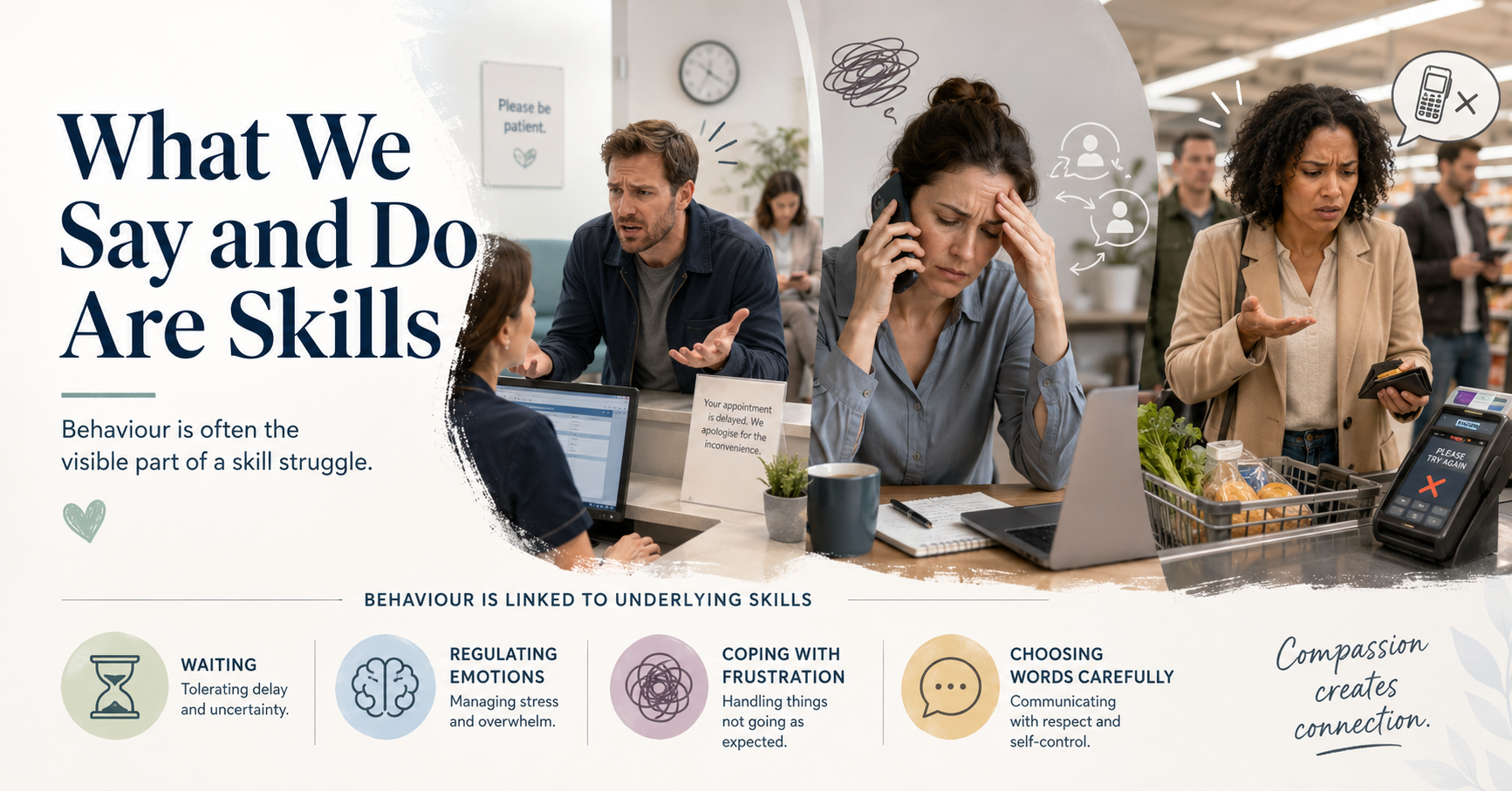
What We Say and Do Are Skills
What we say and do are not just choices, they are skills. This blog explores how behaviour can reflect difficulties with executive functioning, emotional regulation, sensory processing, anxiety and communication.
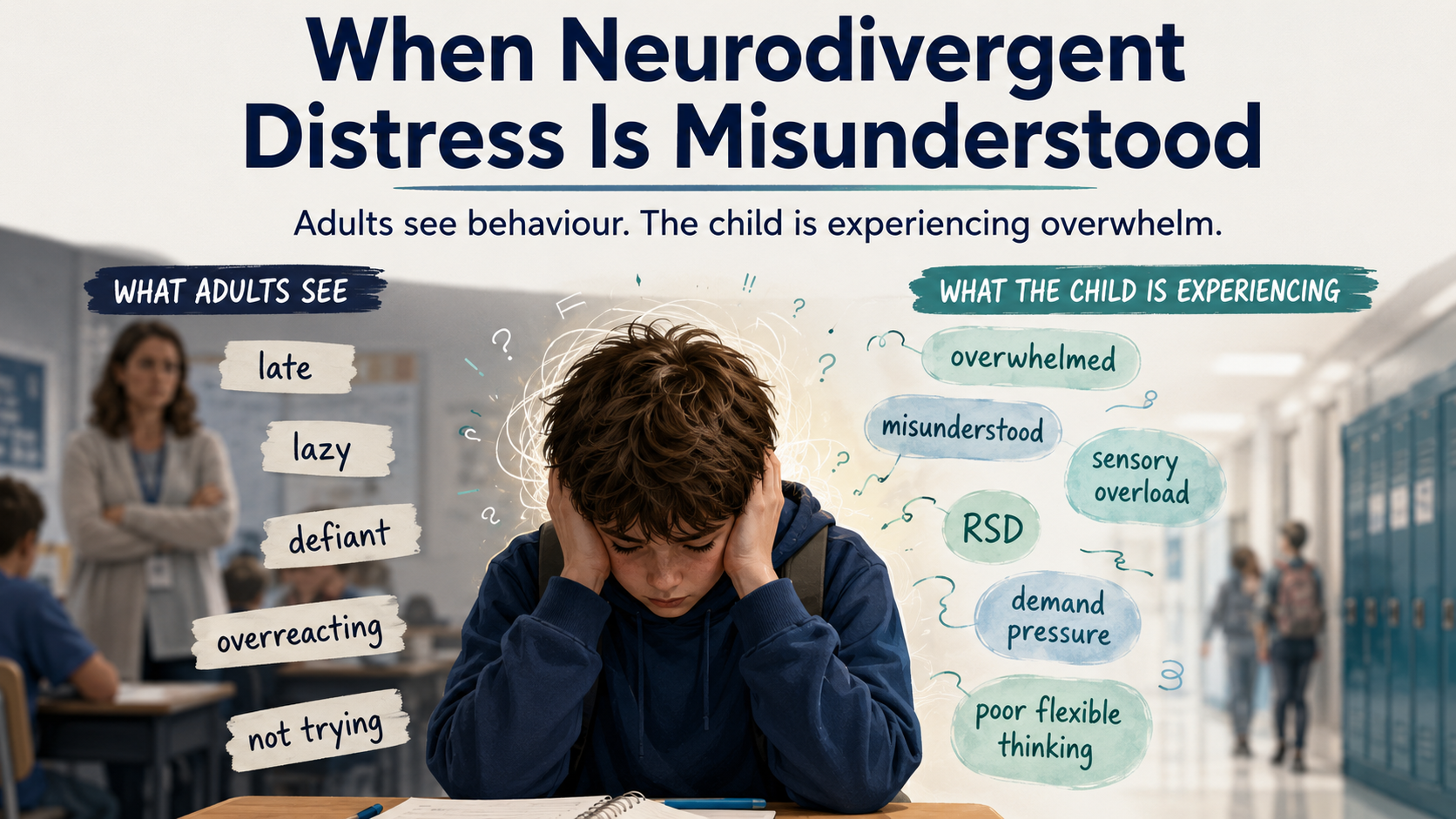
When Neurodivergent Children Are Misunderstood: The Hidden Distress Adults Keep Missing
Many neurodivergent children do not know they have ADHD, RSD, PDA-type demand anxiety, poor flexible thinking or sensory overload. They just know they keep being misunderstood. This blog explains why adults need to look beyond behaviour and recognise hidden distress before children reach crisis point.

Why I Leave Everything Until the Last Minute, And Why It Is Not Just Disorganisation
Some people are often called disorganised, impatient or last-minute. But what if the real difficulty is the uncomfortable gap between being ready and being able to go? This blog explores how executive functioning, waiting, time, transitions and emotional regulation can affect everyday life.
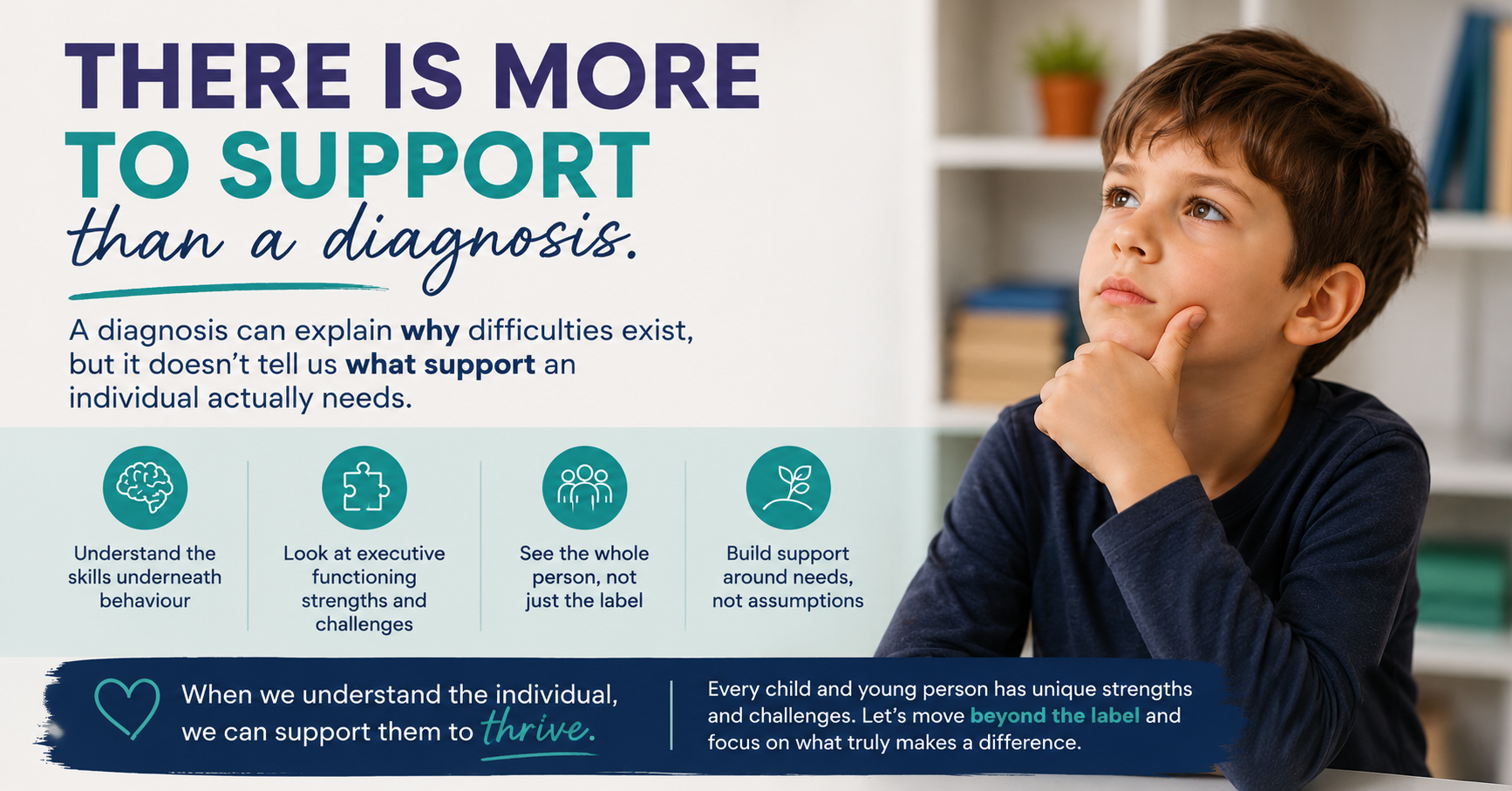
What Parents Need to Know: A Diagnosis Is Only the Starting Point
A diagnosis is important, but it is only the starting point. To truly support neurodivergent children, parents need to understand the skills underneath behaviour, learning and emotional regulation.
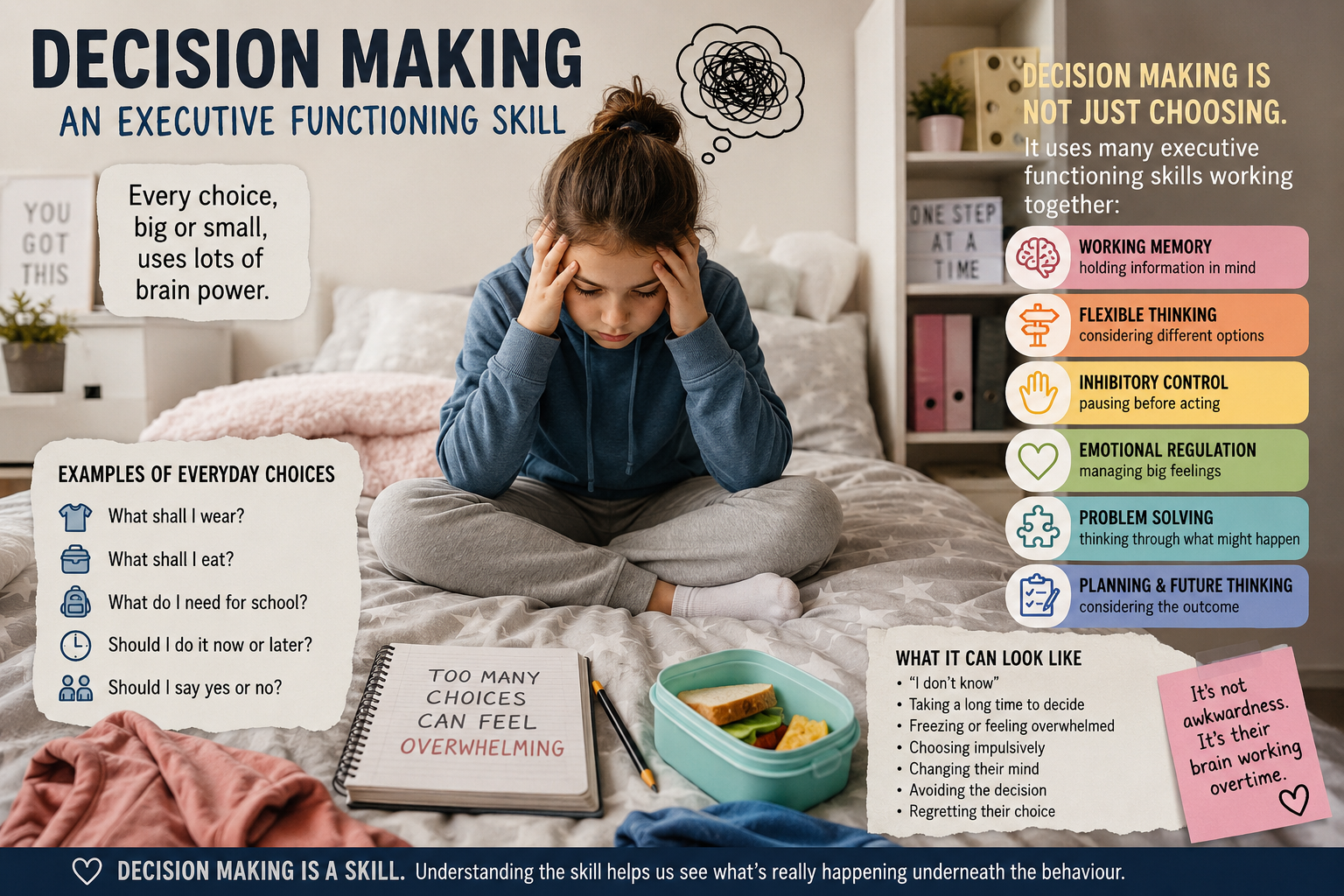
When Every Choice Feels Too Much: Decision Making and Executive Functioning
Decision making is an executive functioning skill we use every day. For some children and adults with ADHD, autism or executive functioning difficulties, even small choices can feel overwhelming.
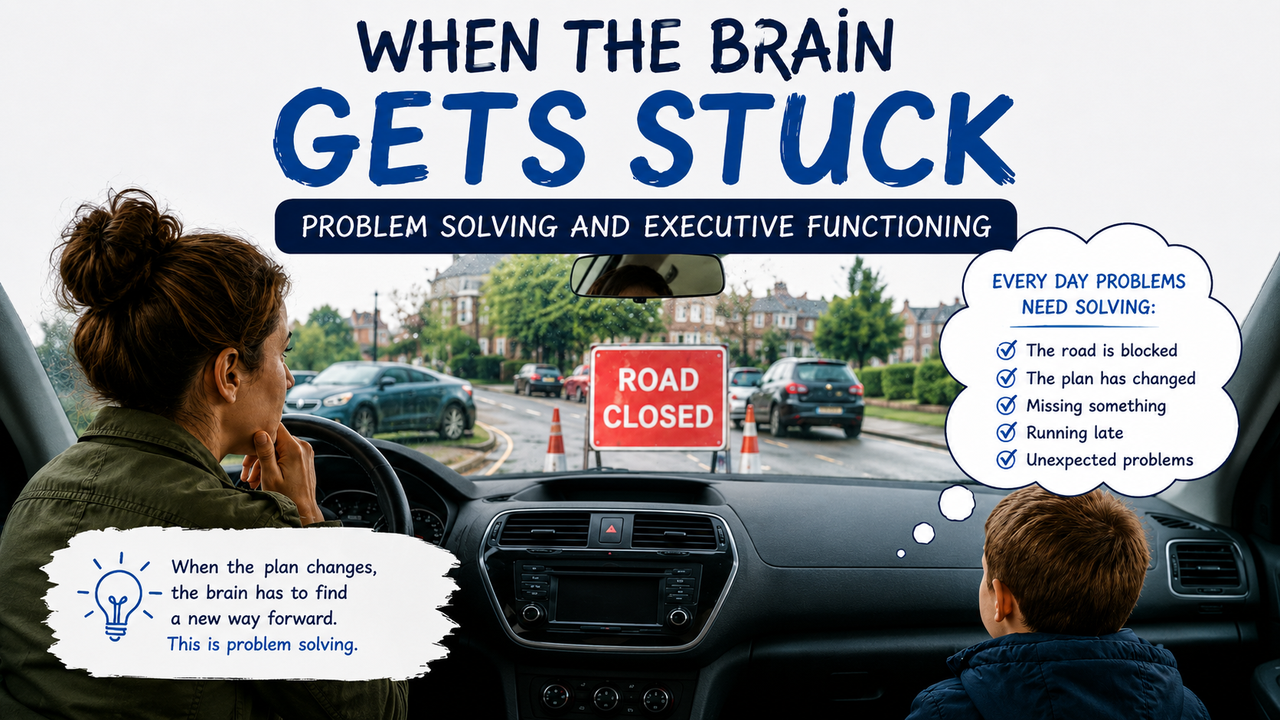
When the Brain Gets Stuck: Problem Solving and Executive Functioning
Problem solving is an executive functioning skill we use all day, every day. When this skill is difficult, small problems can feel overwhelming and lead to big reactions.
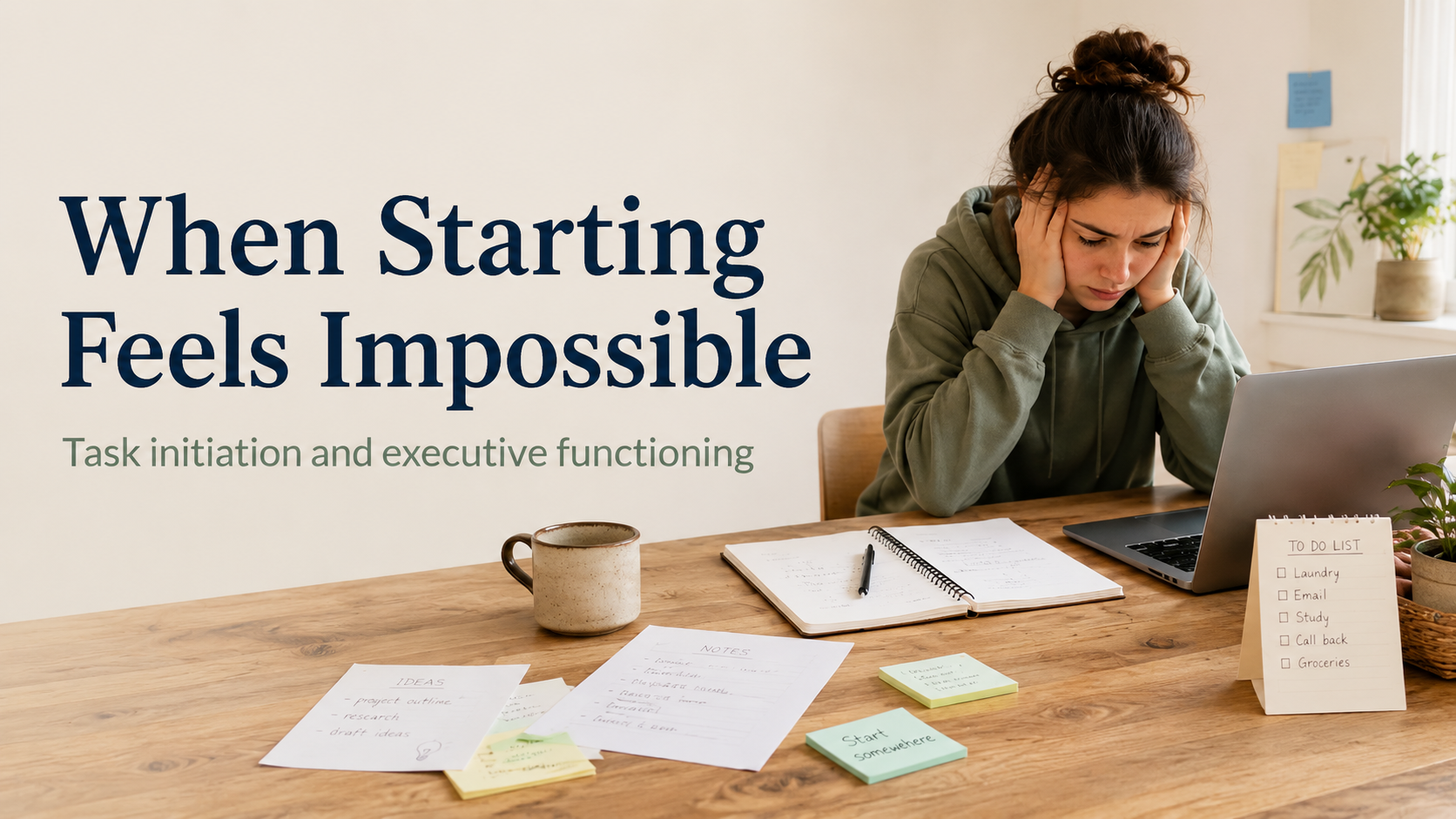
When Starting Feels Impossible: Task Initiation and Executive Functioning
Task initiation is the executive functioning skill that helps us get started. When this skill is weak, children and adults may look lazy or defiant, but often they are stuck at the starting point.
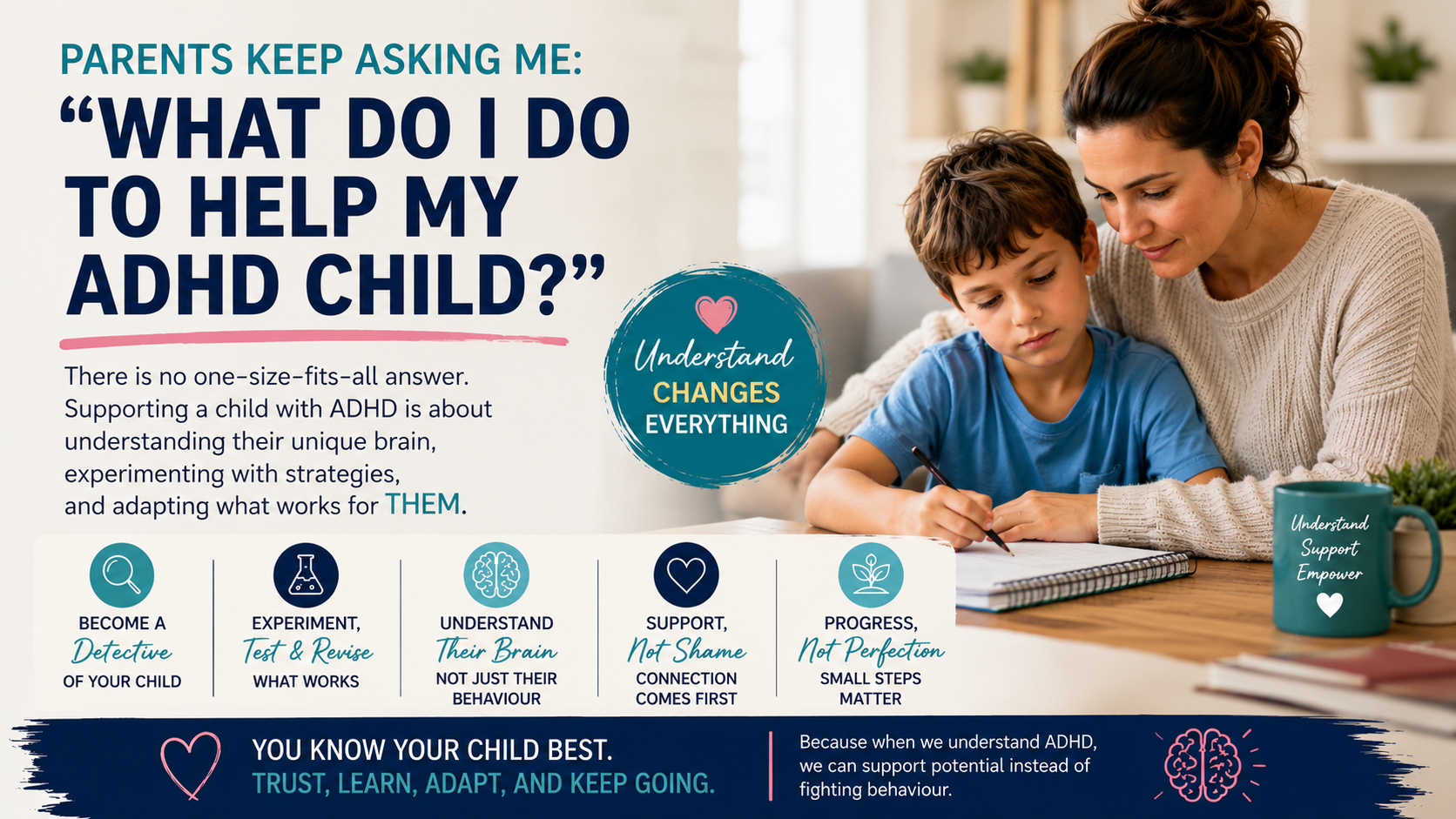
Parents Keep Asking Me: “What Do I DO to Help My ADHD Child?”
Many parents come looking for the one strategy that will finally make things easier for their ADHD child. But ADHD support is rarely one-size-fits-all. This blog explores executive functioning difficulties, understanding your child’s unique needs, and why curiosity and adaptation matter more than perfection.
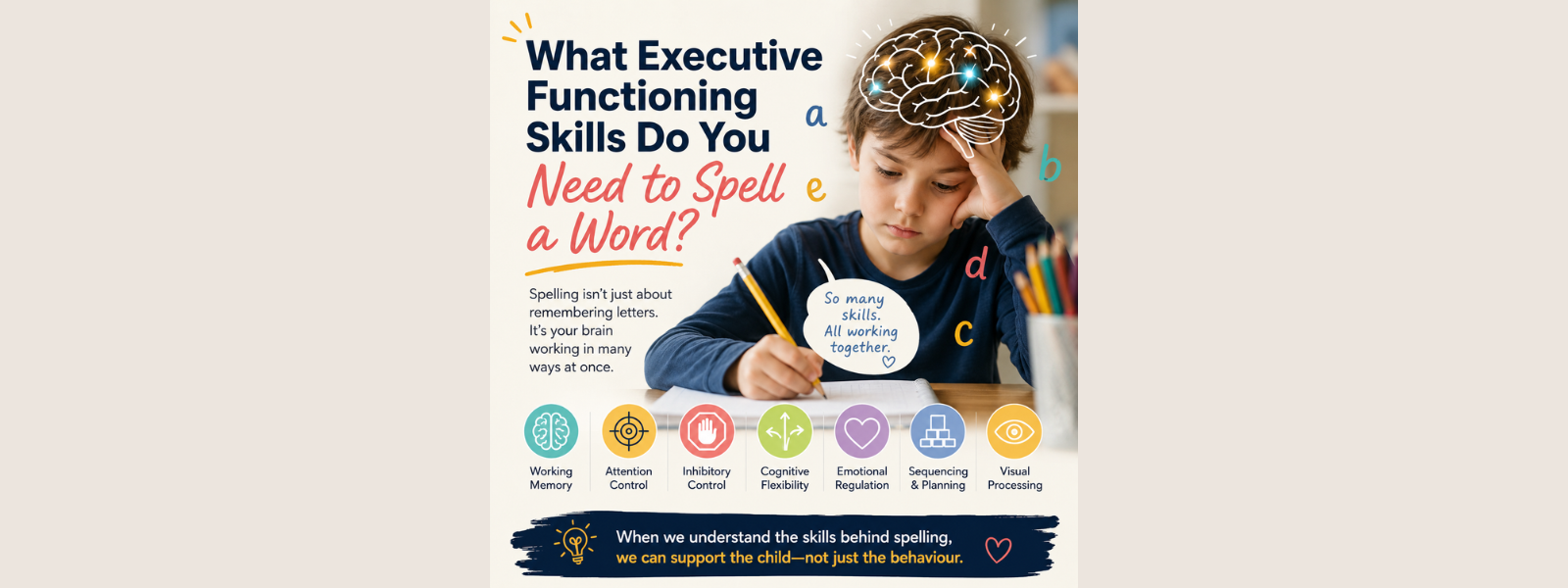
What Executive Functioning Skills Do You Need To Spell A Word?
Many people think spelling is simply about remembering words. But spelling actually relies on multiple executive functioning skills working together at the same time. This blog explores how working memory, attention, inhibitory control and emotional regulation impact spelling in autistic and ADHD childre
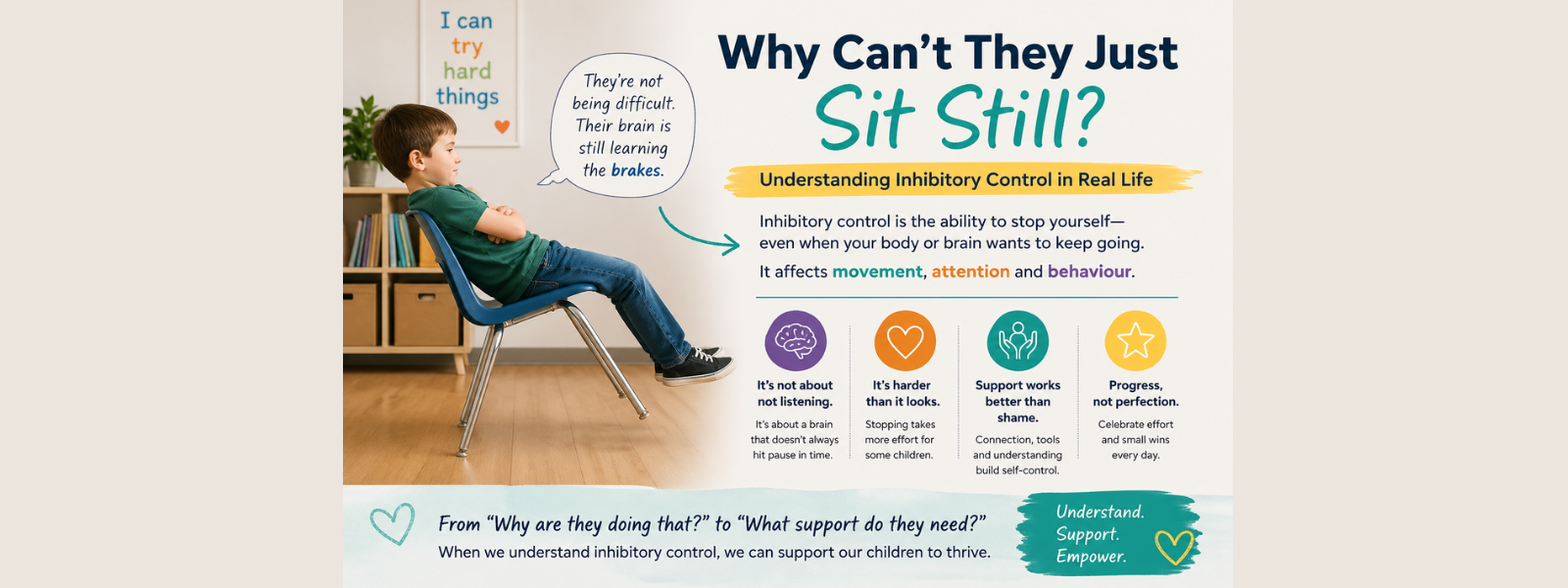
Why Can’t They Just Sit Still?
Why does a child keep leaning back on their chair even after being told to stop? This blog explores inhibitory control, an important executive functioning skill linked to ADHD and autism, and explains why some children struggle to pause, stay still, and stop their body in the moment.
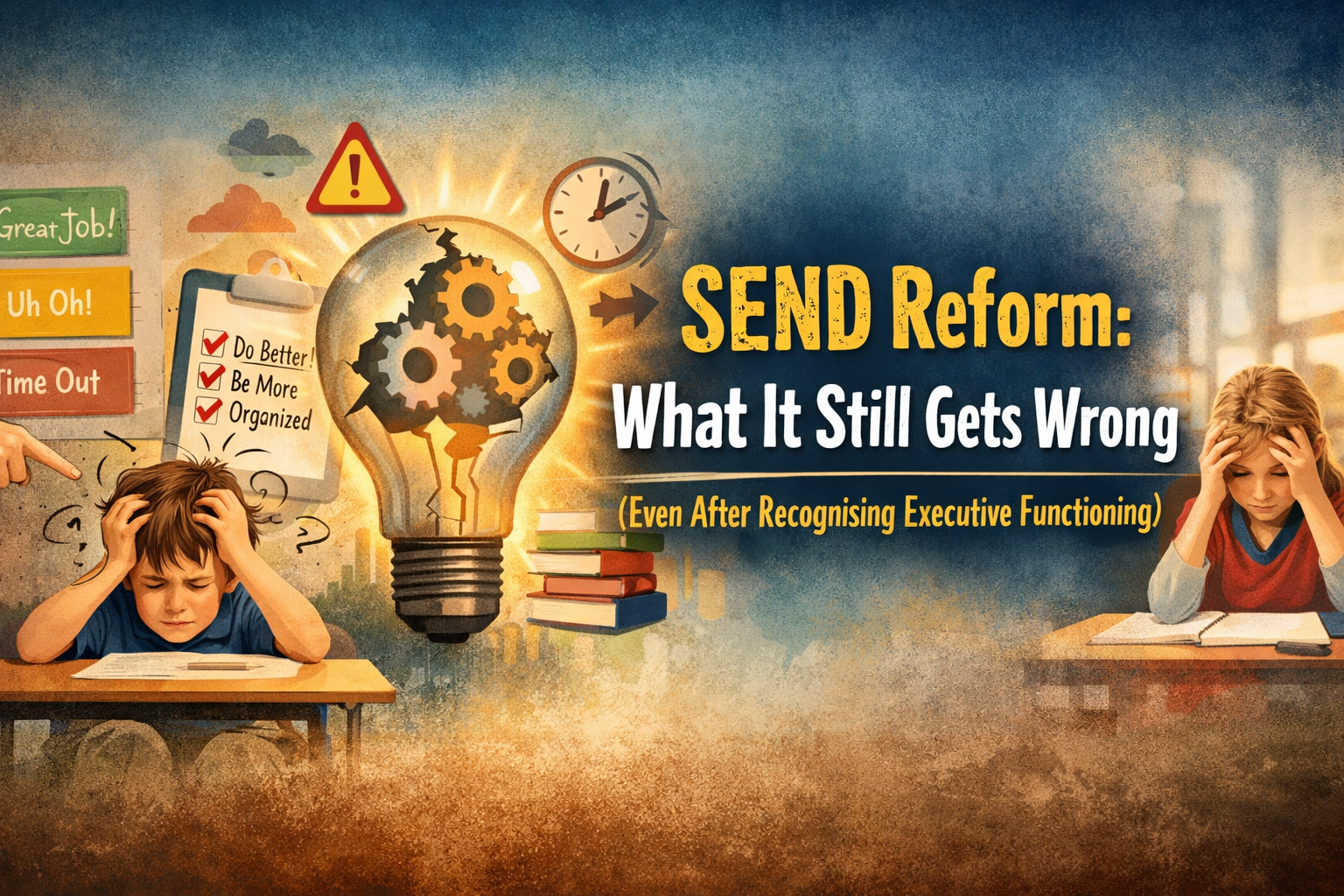
SEND Reform: What It Still Gets Wrong (Even After Finally Recognising Executive Functioning)
SEND reform is finally starting to recognise executive functioning, but that does not mean children will automatically get the right support. This blog looks at what could still go wrong if schools focus on expectations instead of understanding, scaffolding, and the environment around the child.
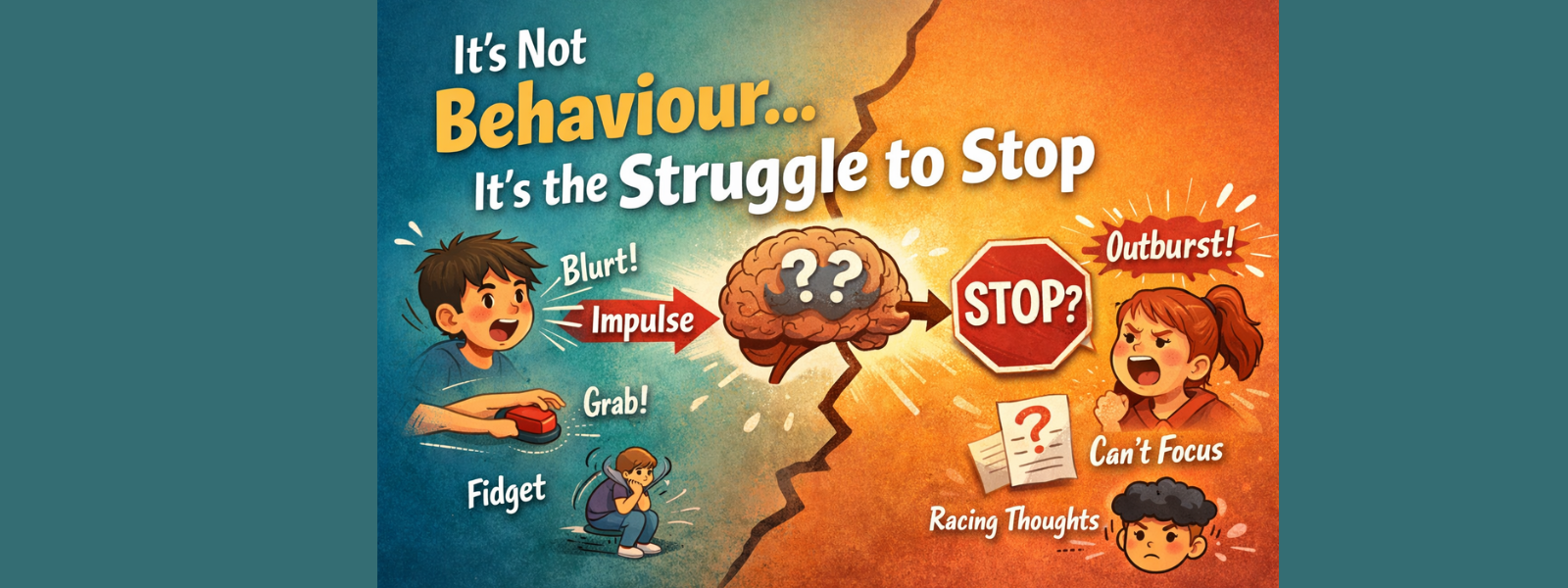
It’s Not Behaviour… It’s the Struggle to Stop
What looks like behaviour, inattention, or emotional outbursts is often one underlying difficulty: the struggle to stop. This blog explains how one core skill affects attention, thinking, emotions, and movement.

Have We Confused Validating Emotions with Accepting Dysregulation?
There has been a shift in how we respond to children’s behaviour. While validating emotions is important, it is not enough. This blog explores how inhibitory control and flexible thinking impact emotional regulation, and why children need skill building, not just understanding.

Why Some Children Can’t Regulate Early Enough
Self-regulation doesn’t start with behaviour. Many children struggle not because they won’t calm down, but because they don’t recognise the early signals in their body. This blog explains the missing step in self-regulation and why behaviour often comes too late.
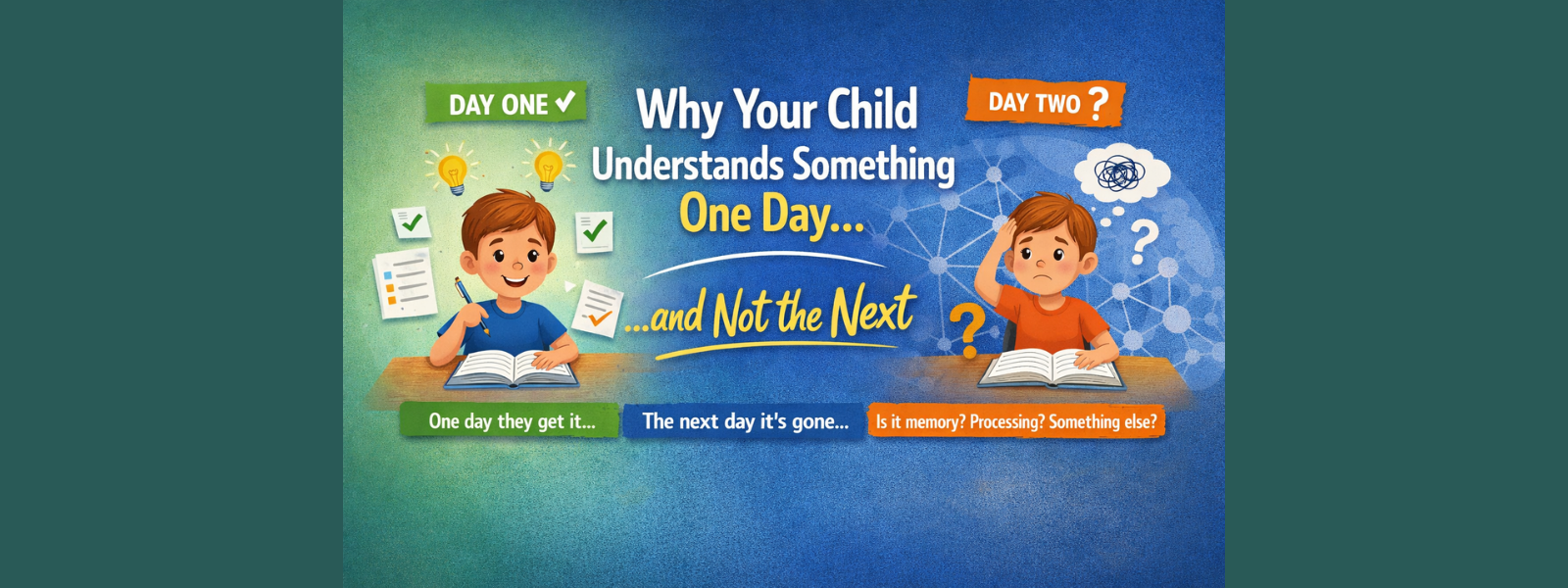
Why Your Child Understands Something One Day and Not the Next
Many children understand something one day, then seem to forget it the next. This blog explains how memory, processing, and executive functioning affect learning, and why inconsistency is often misunderstood.
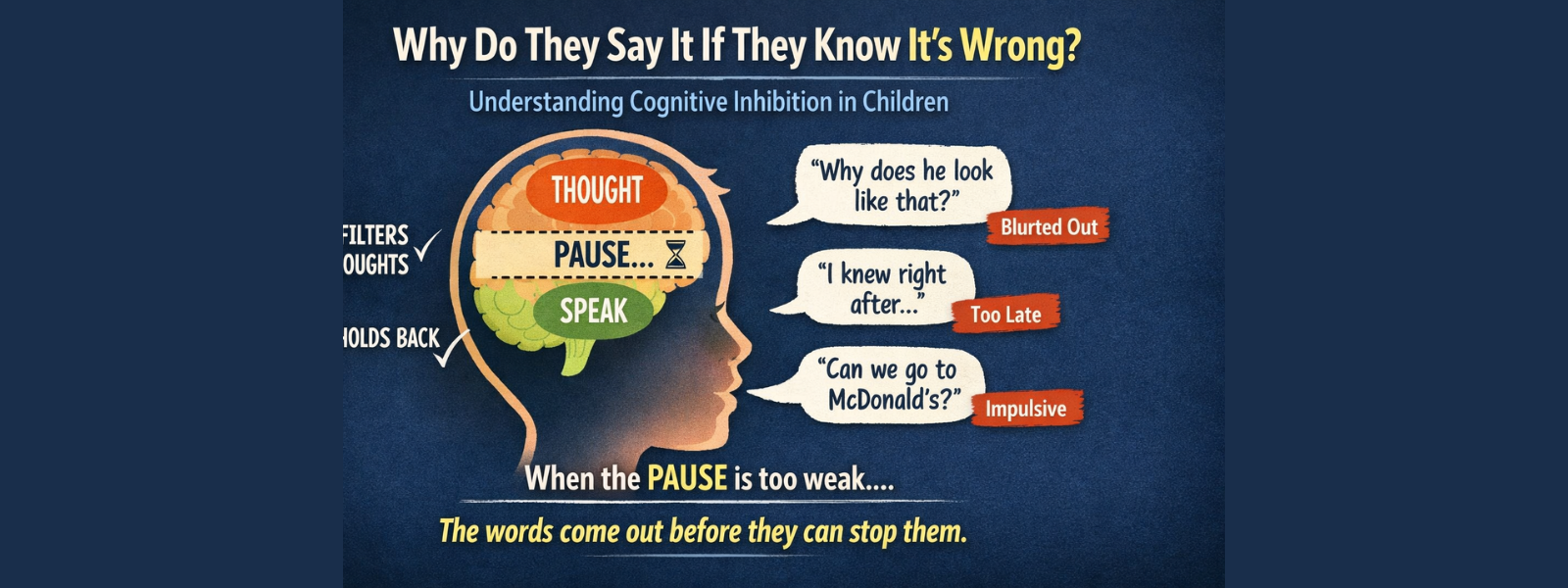
“Why Do They Say It If They Know It’s Wrong?” Understanding Cognitive Inhibition in Children
Some children say things that seem rude, off-topic, or inappropriate—yet they know it wasn’t right. This blog explains cognitive inhibition and why the brain struggles to filter thoughts in real time.

He Meant to Come Home… So Why Did He End Up in the Pub Again?
He said he was coming straight home, and he meant it.
So why did he still end up in the pub?
This blog explores ADHD, impulse, alcohol, and why understanding these skills early could change lives.

When Your Child Interrupts: It’s Not Just Rudeness
Some children interrupt even when they know they shouldn’t. This blog explains why it happens in the moment, and why it’s not just behaviour.