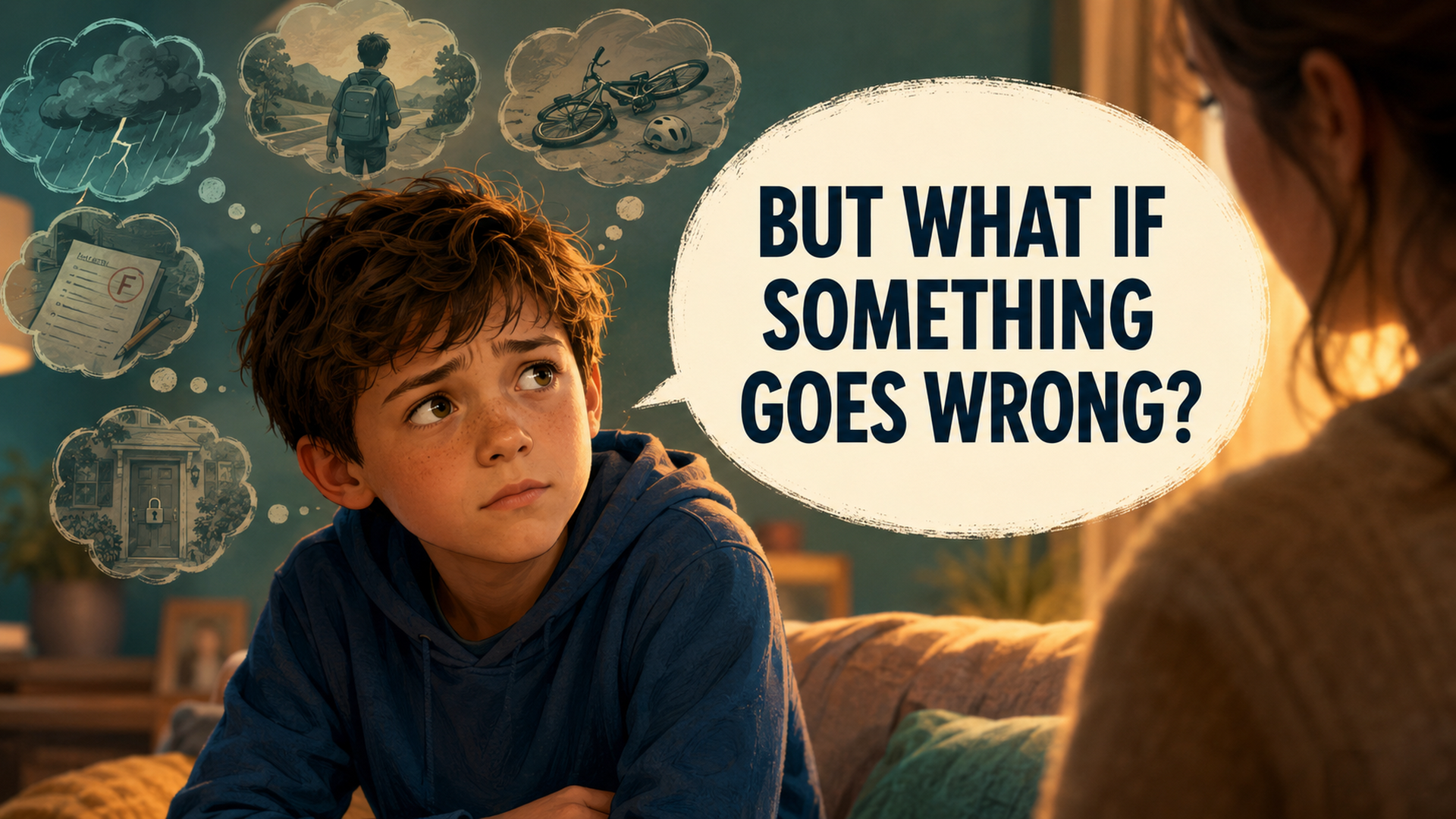
“But What If Something Goes Wrong?” When a Child Cannot Stop Expecting the Worst
Some children constantly ask, “What if something goes wrong?” This repeated catastrophising can be an overlooked sign that a child is struggling with anxiety and uncertainty.
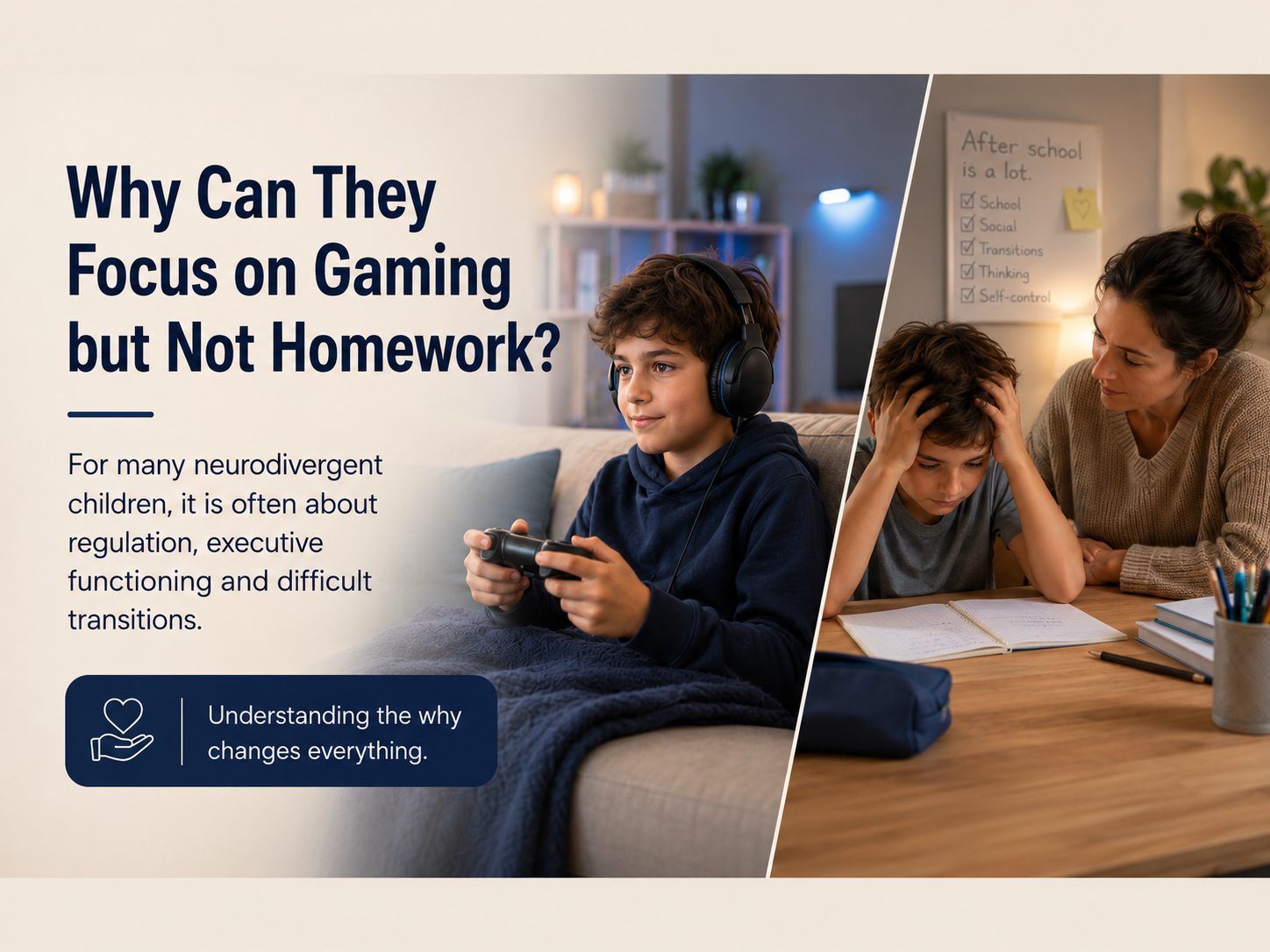
Why Can My Child Concentrate on a Game but Not Homework?
Screen meltdowns are often misunderstood as addiction, defiance or bad parenting. For many ADHD and neurodivergent children, gaming may be the only regulation tool they have left after a draining school day. This blog explains what may really be happening underneath.
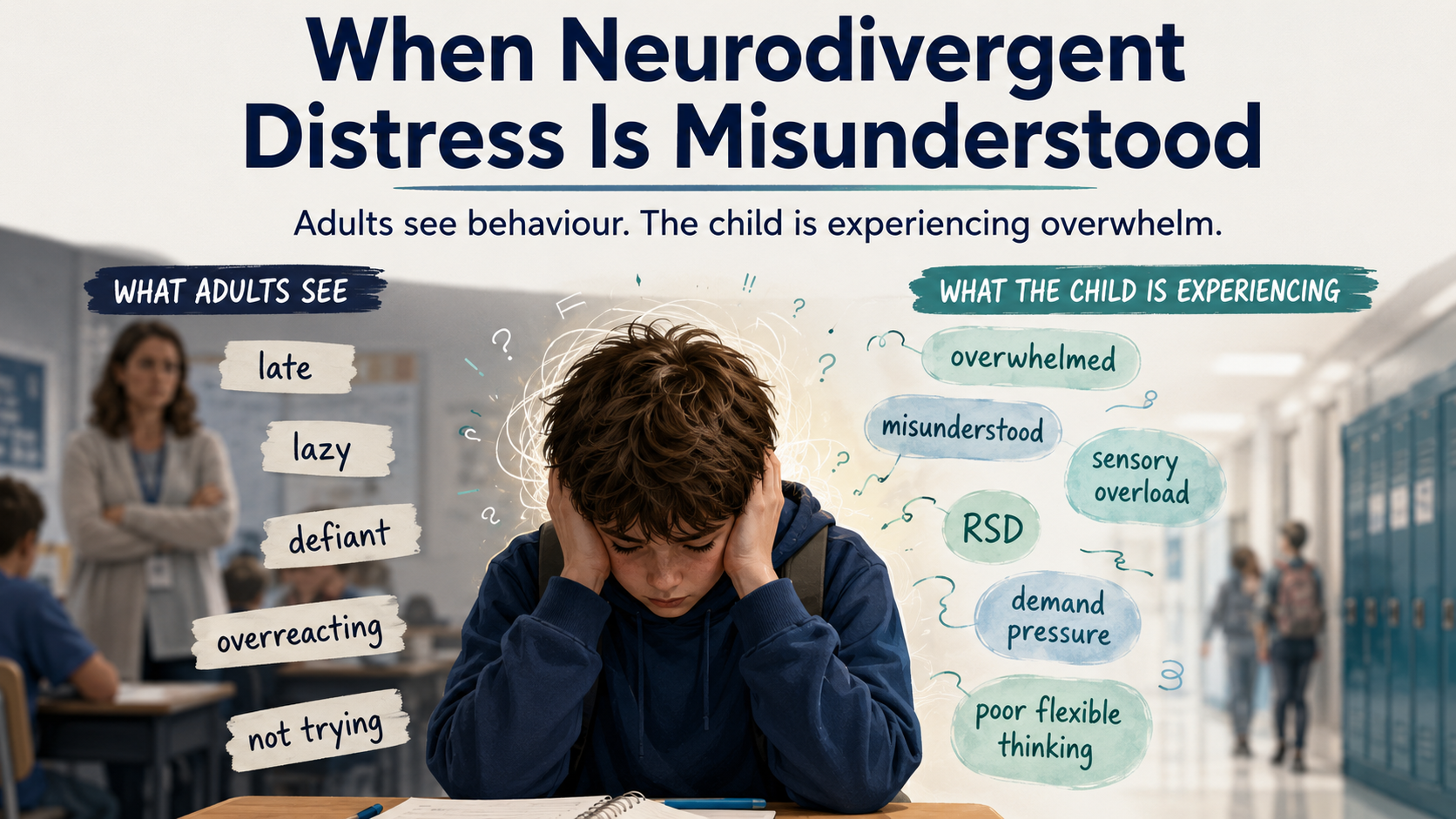
When Neurodivergent Children Are Misunderstood: The Hidden Distress Adults Keep Missing
Many neurodivergent children do not know they have ADHD, RSD, PDA-type demand anxiety, poor flexible thinking or sensory overload. They just know they keep being misunderstood. This blog explains why adults need to look beyond behaviour and recognise hidden distress before children reach crisis point.
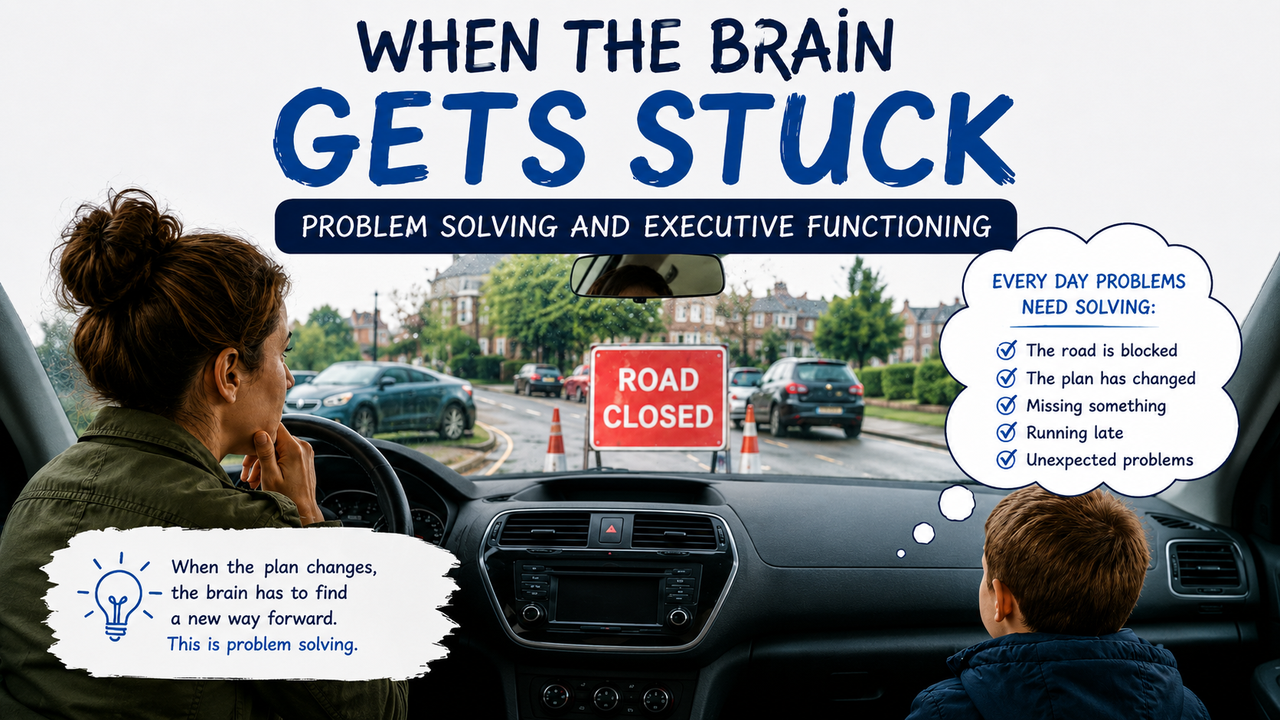
When the Brain Gets Stuck: Problem Solving and Executive Functioning
Problem solving is an executive functioning skill we use all day, every day. When this skill is difficult, small problems can feel overwhelming and lead to big reactions.

Understanding Alexithymia: The Invisible Emotional Barrier
Alexithymia affects the ability to recognise and describe emotions. This article explains what alexithymia is, why it occurs, and how it impacts relationships and emotional wellbeing.
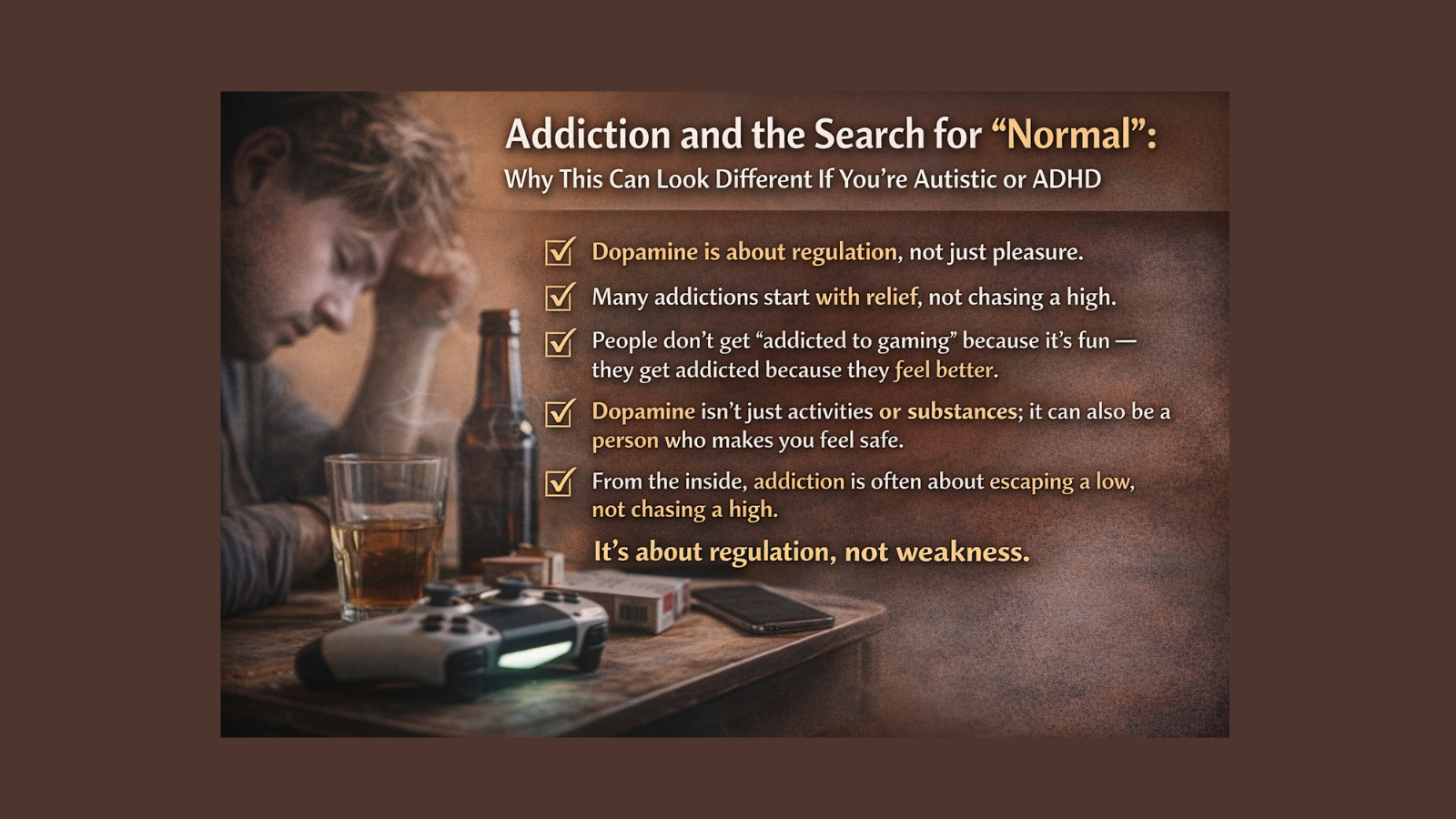
Addiction and the Search for “Normal”
Addiction is often misunderstood as a lack of willpower. This blog explores how dopamine, regulation, and nervous system needs can make addiction risk higher if you’re autistic or ADHD — and why it’s often about escaping a low, not chasing a high.

Why Strengthening Executive Function Skills is a Game-Changer for Autistic & ADHD Brains
If mornings feel like juggling jelly, executive functions might be the missing piece. This blog explains the brain’s “air traffic control” system and why strengthening it is a game-changer for autistic and ADHD daily life.
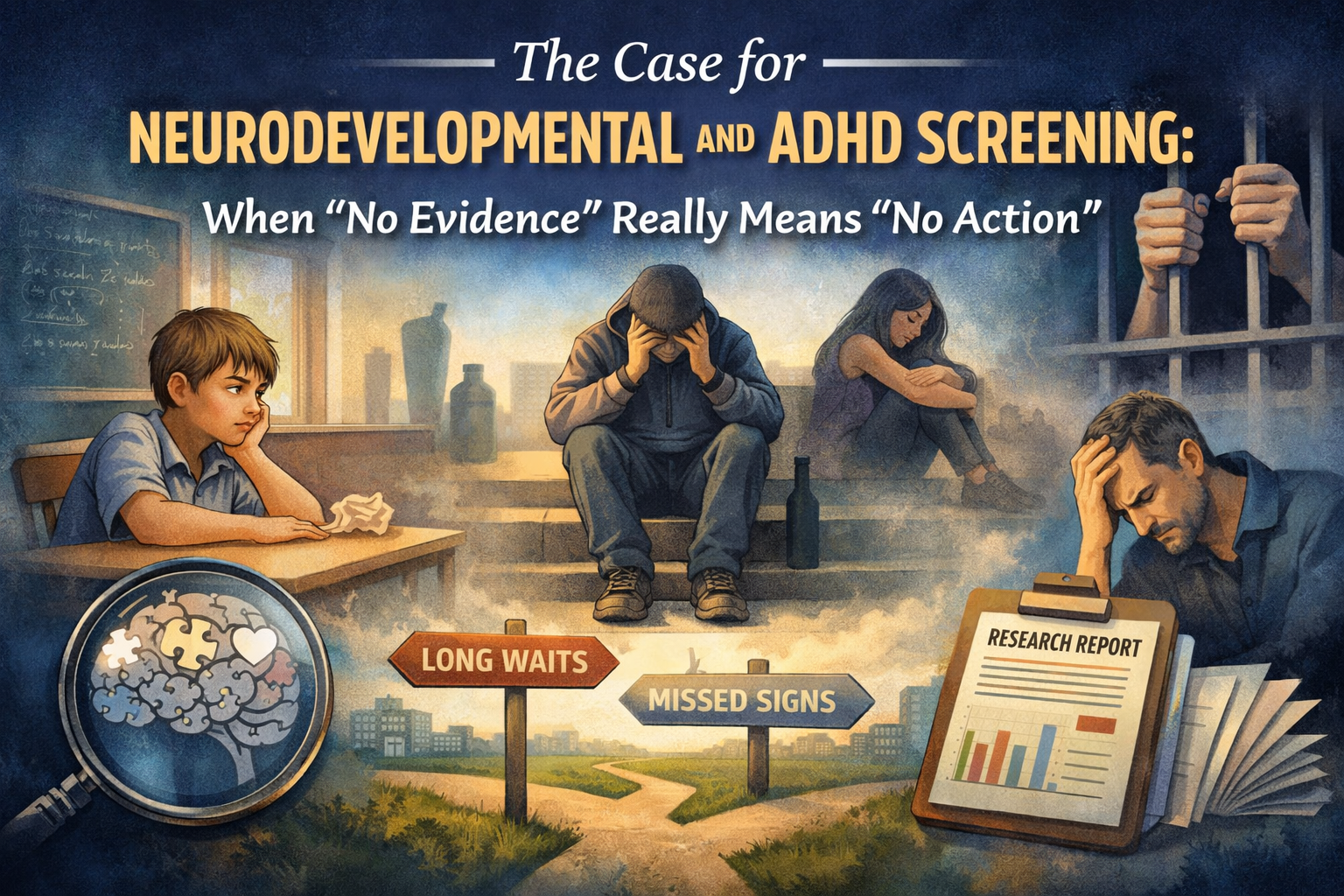
Why ‘No Evidence for Neurodevelopmental or ADHD Screening’ Isn’t the Same as ‘What’s Best for Children’
The Government has confirmed it will not support neurodevelopmental or ADHD screening for children, citing a lack of evidence. While early intervention is repeatedly acknowledged as essential, current pathways continue to rely on children reaching crisis before support begins. This blog explores the risks of delayed identification, the difference between screening and diagnosis, and what this decision means in real life for children and families.

The Intricate Link Between Low Dopamine, ADHD, and Depression
Low dopamine plays a major role in ADHD and mood. This post explains how dopamine affects focus, motivation and emotional wellbeing.

Emotional Regulation Won’t Improve Until We Understand What’s Really Going On
This blog explores why emotional regulation is difficult for autistic and ADHD individuals, what’s happening in the brain, and strategies that genuinely help.