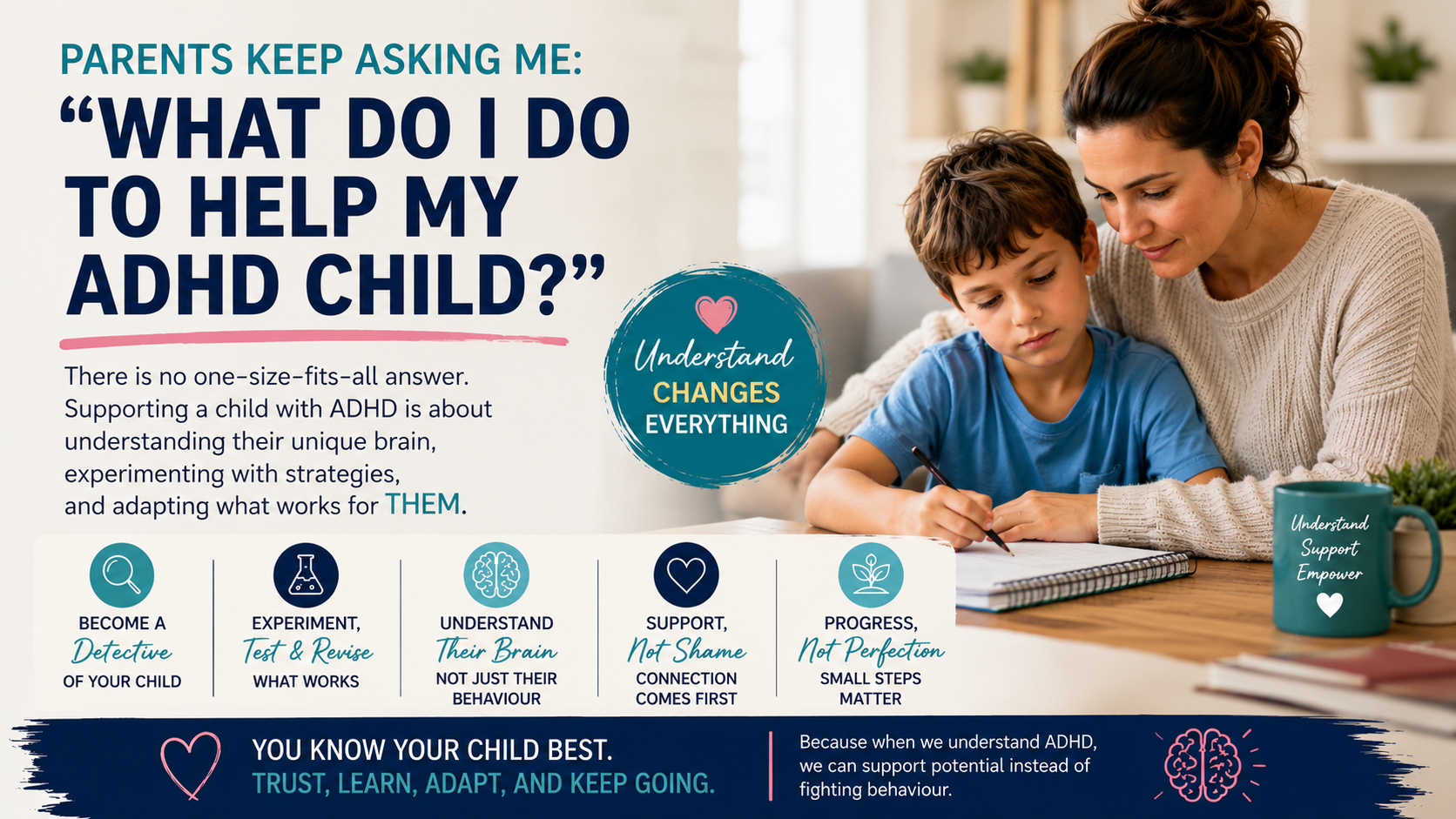
Parents Keep Asking Me: “What Do I DO to Help My ADHD Child?”
Many parents come looking for the one strategy that will finally make things easier for their ADHD child. But ADHD support is rarely one-size-fits-all. This blog explores executive functioning difficulties, understanding your child’s unique needs, and why curiosity and adaptation matter more than perfection.
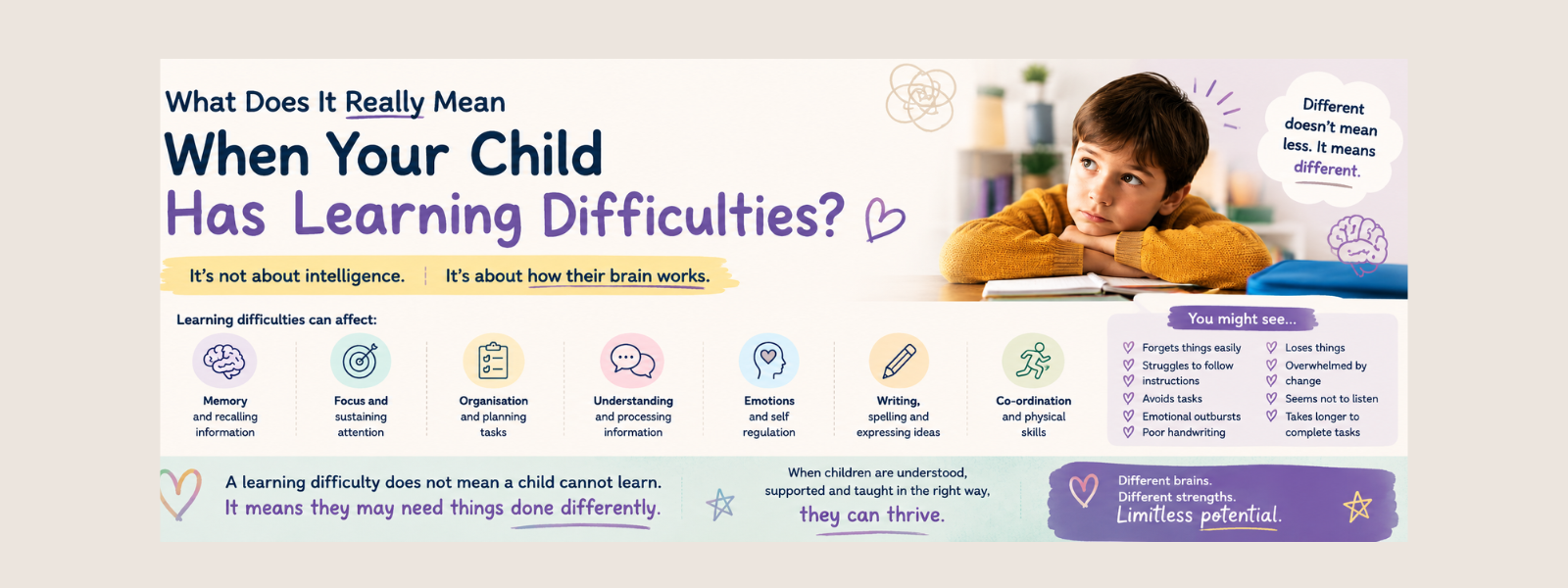
What Does It Really Mean When Your Child Has Learning Difficulties?
Many parents hear terms like “learning difficulties” or “SpLD” but are never properly told what they actually mean in real life. This blog explains how learning difficulties are often linked to working memory, executive functioning, processing speed, sensory processing, ADHD, autism, and emotional regulation — not intelligence.
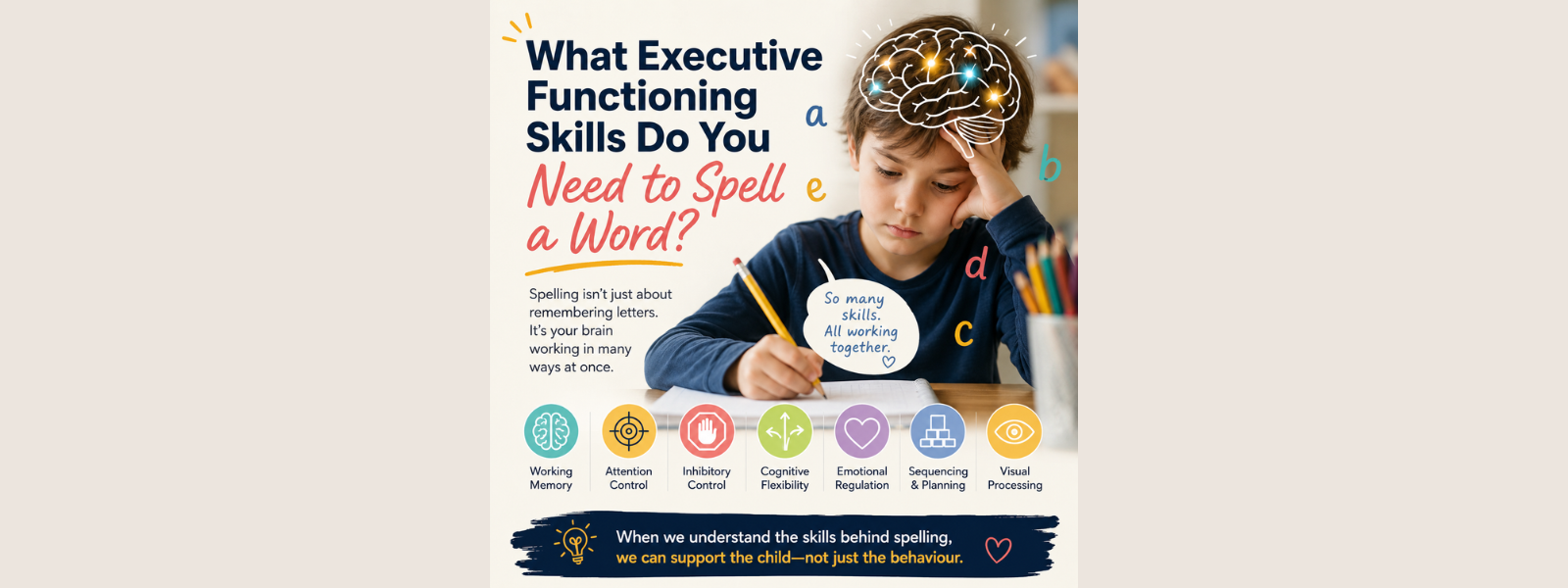
What Executive Functioning Skills Do You Need To Spell A Word?
Many people think spelling is simply about remembering words. But spelling actually relies on multiple executive functioning skills working together at the same time. This blog explores how working memory, attention, inhibitory control and emotional regulation impact spelling in autistic and ADHD childre
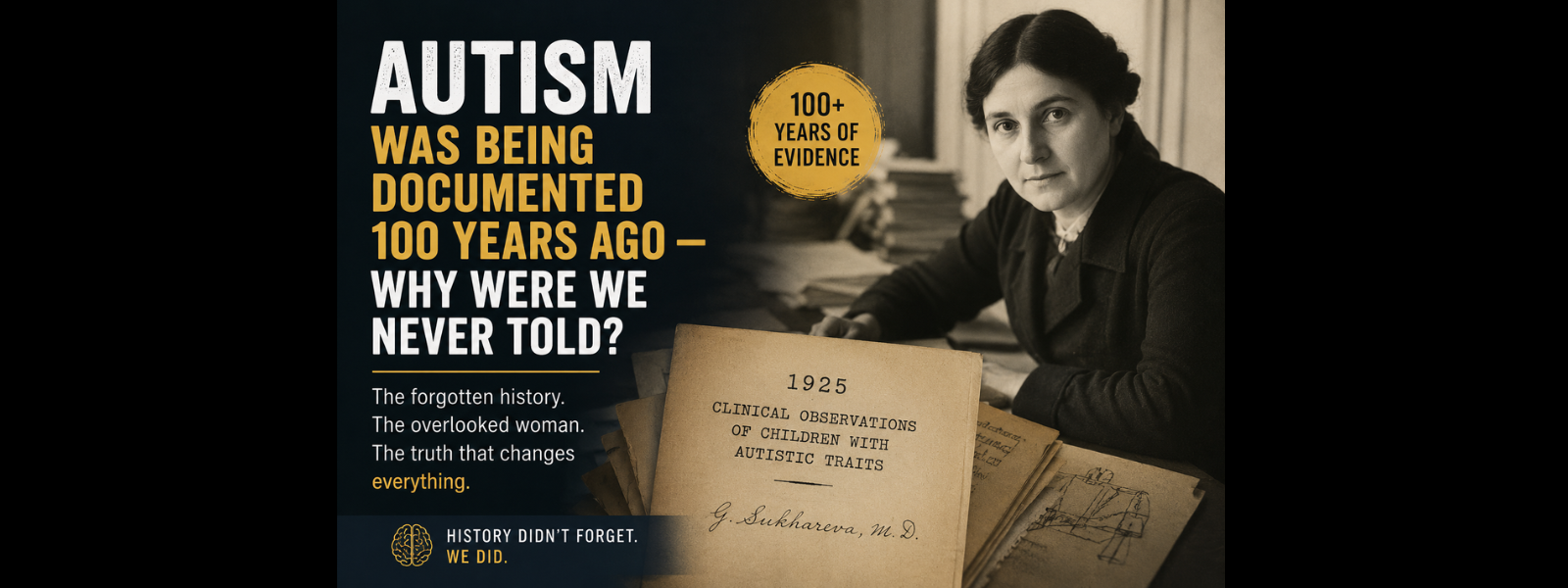
Autism Was Being Documented 100 Years Ago — Why Were We Never Told?
People often speak about autism as though it suddenly appeared in modern society. But over 100 years ago, doctors were already documenting children whose traits are clearly recognisable today. This forgotten history challenges the myth that autism is “new” and reminds us that people have always been autistic.
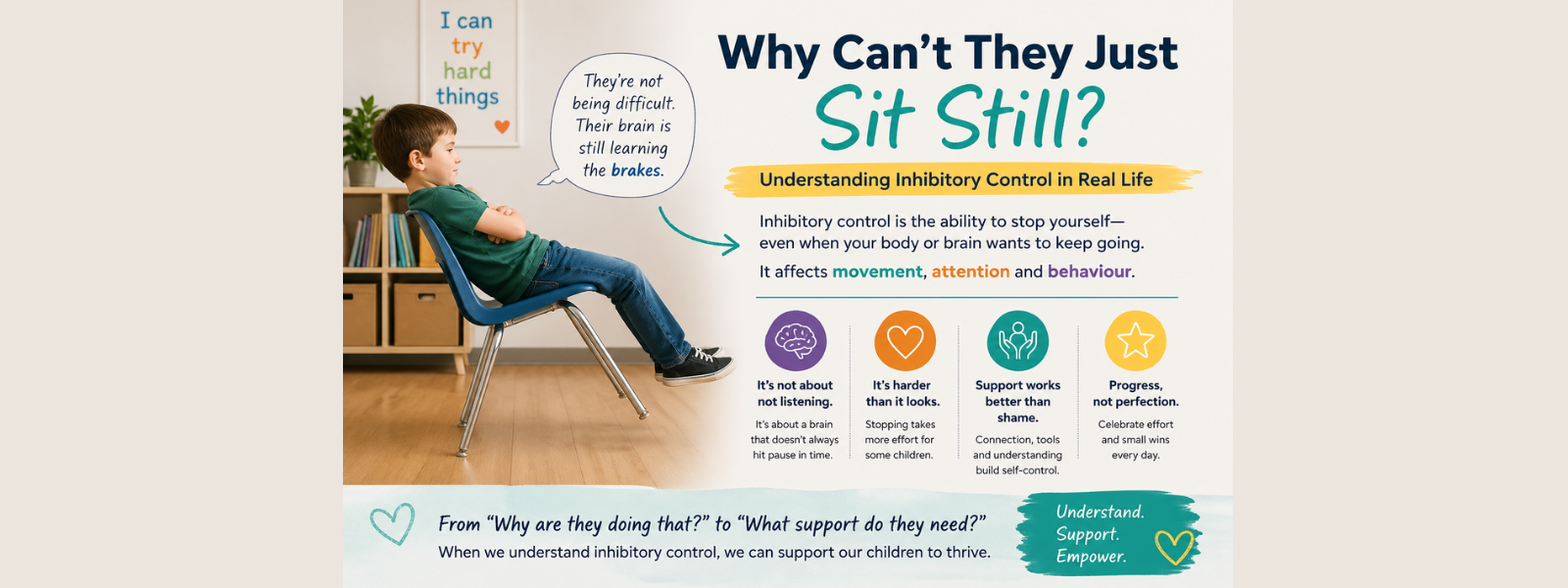
Why Can’t They Just Sit Still?
Why does a child keep leaning back on their chair even after being told to stop? This blog explores inhibitory control, an important executive functioning skill linked to ADHD and autism, and explains why some children struggle to pause, stay still, and stop their body in the moment.
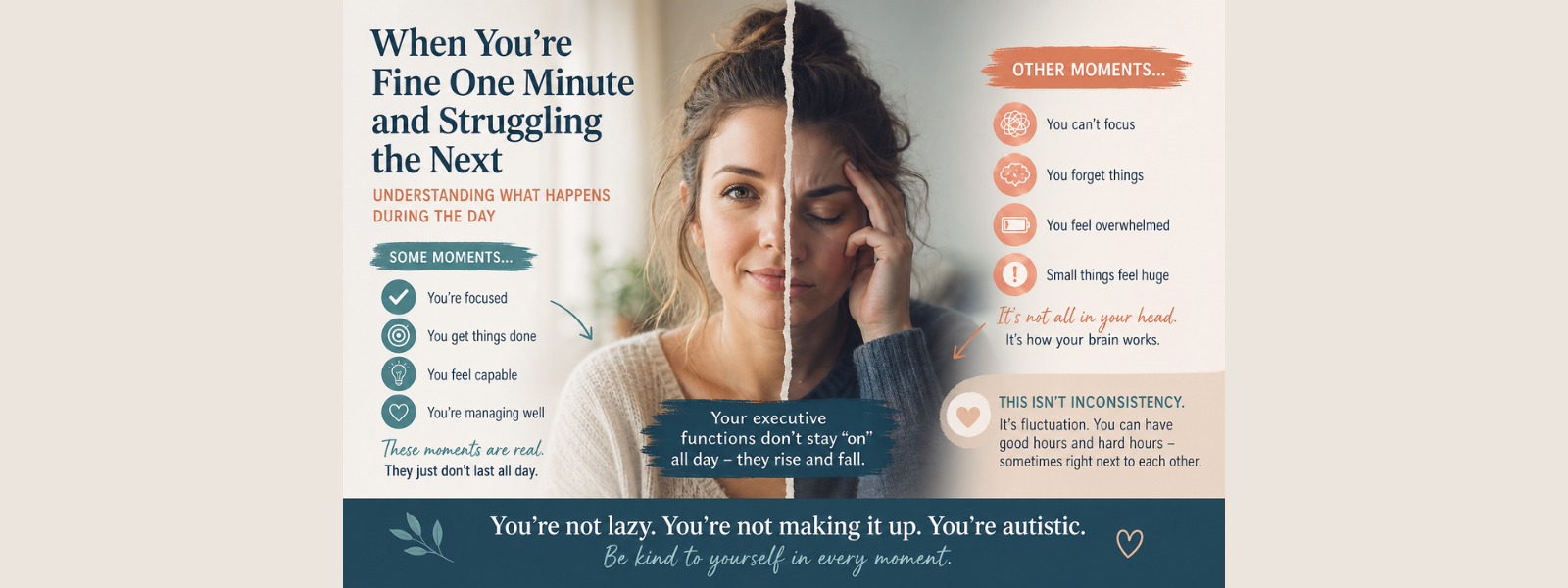
When You’re Fine One Minute and Struggling the Next
If you’re autistic or have ADHD, your day doesn’t stay steady. You can be coping one minute and struggling the next. This blog explains why your capacity changes across the day, what’s happening underneath, and how to recognise the signs before everything tips over.

When Your Child Flips — And You Feel Yourself Going Too
When a child “flips,” it’s often seen as behaviour—but what happens when the parent feels it too? This blog explores how overwhelm affects both child and parent, and why understanding—not judgement—is key.

They Got a Diagnosis… Then What?
After a diagnosis, families are often sent to support sessions—but many still don’t understand why their child reacts the way they do. This blog explores what’s really happening beneath the behaviour, from misinterpretation to emotional overwhelm, and why understanding must come first.
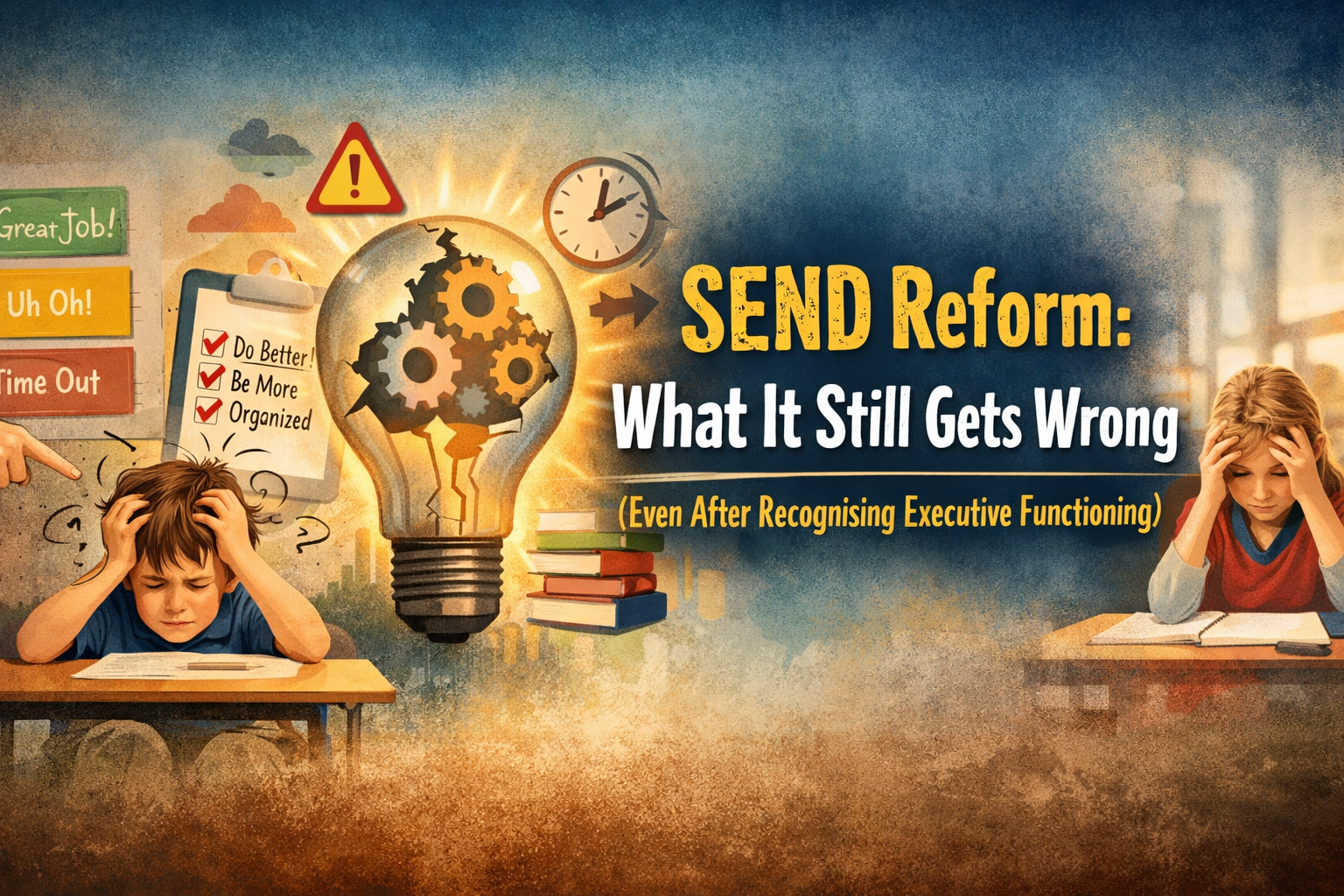
SEND Reform: What It Still Gets Wrong (Even After Finally Recognising Executive Functioning)
SEND reform is finally starting to recognise executive functioning, but that does not mean children will automatically get the right support. This blog looks at what could still go wrong if schools focus on expectations instead of understanding, scaffolding, and the environment around the child.
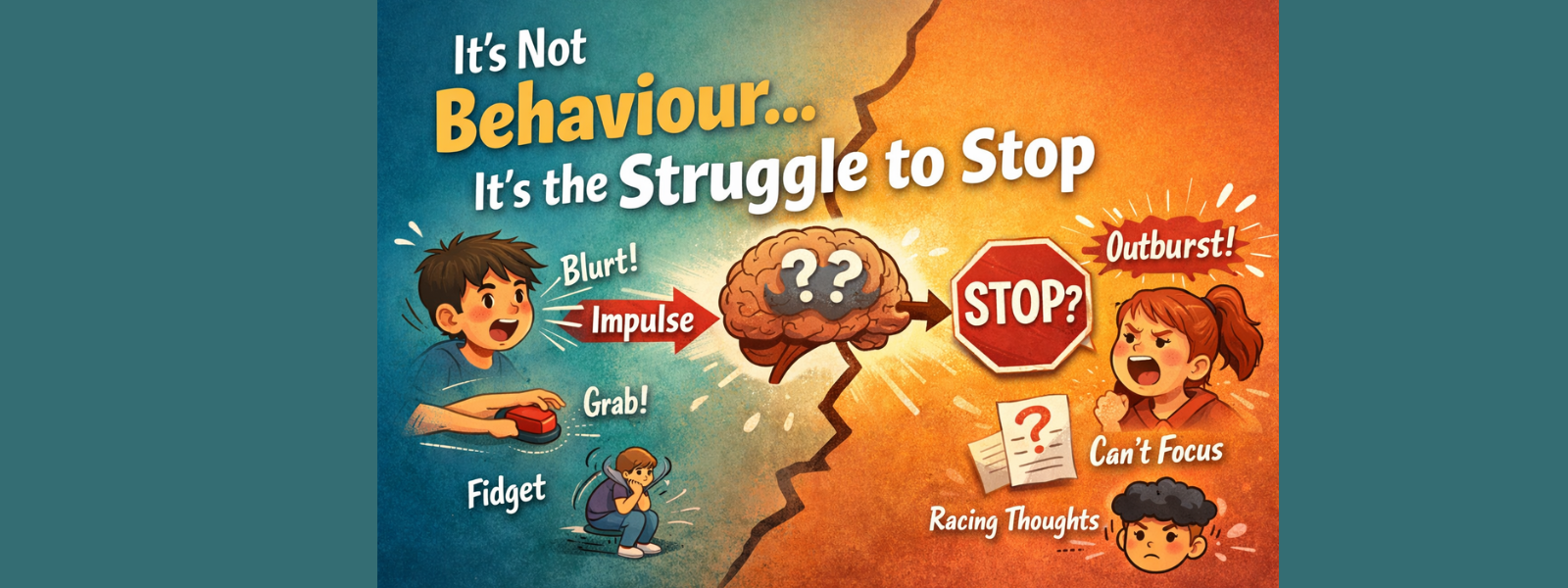
It’s Not Behaviour… It’s the Struggle to Stop
What looks like behaviour, inattention, or emotional outbursts is often one underlying difficulty: the struggle to stop. This blog explains how one core skill affects attention, thinking, emotions, and movement.

Have We Confused Validating Emotions with Accepting Dysregulation?
There has been a shift in how we respond to children’s behaviour. While validating emotions is important, it is not enough. This blog explores how inhibitory control and flexible thinking impact emotional regulation, and why children need skill building, not just understanding.

When Children Don’t Know What They’re Feeling (Understanding Alexithymia)
“I don’t know” is something many children say when asked how they feel. This blog explains alexithymia, why some children struggle to understand emotions, and how it links to body awareness.

Why Some Children Can’t Regulate Early Enough
Self-regulation doesn’t start with behaviour. Many children struggle not because they won’t calm down, but because they don’t recognise the early signals in their body. This blog explains the missing step in self-regulation and why behaviour often comes too late.
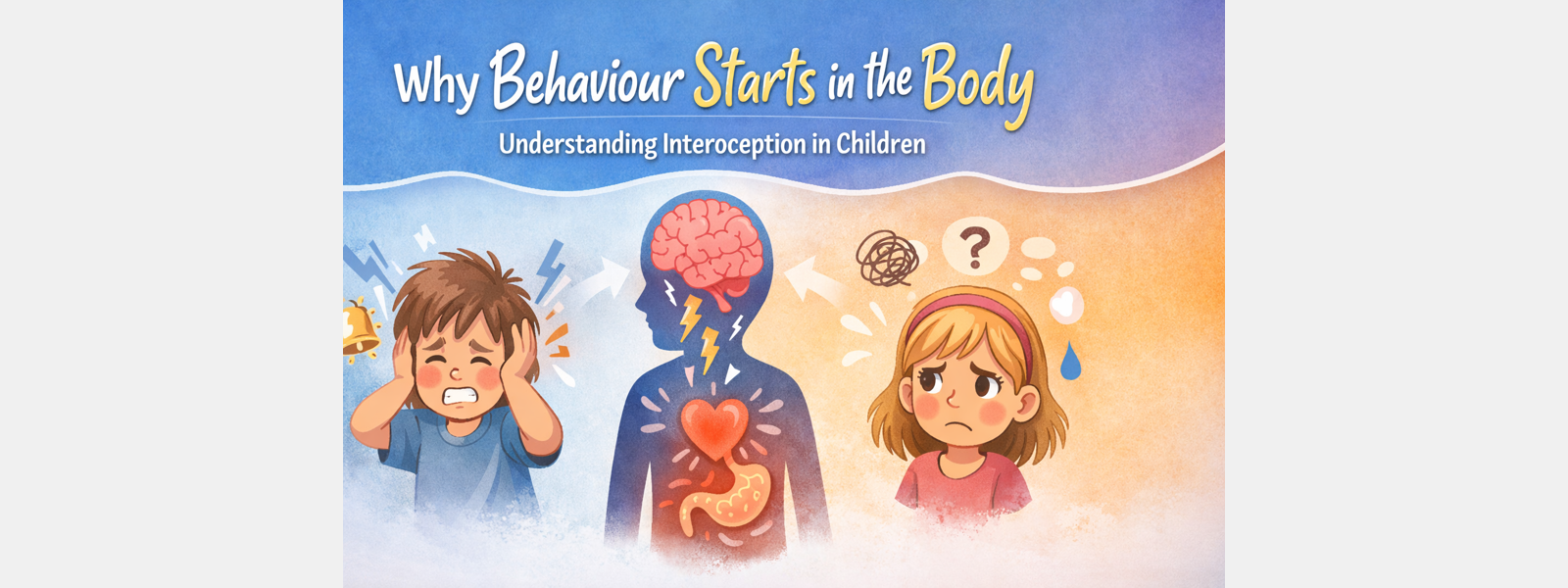
Why Behaviour Starts in the Body (Interoception Explained Simply)
Behaviour doesn’t come out of nowhere. For many children, it starts with body signals they don’t yet recognise. This blog explains interoception in a simple, relatable way and why it changes how we understand behaviour.
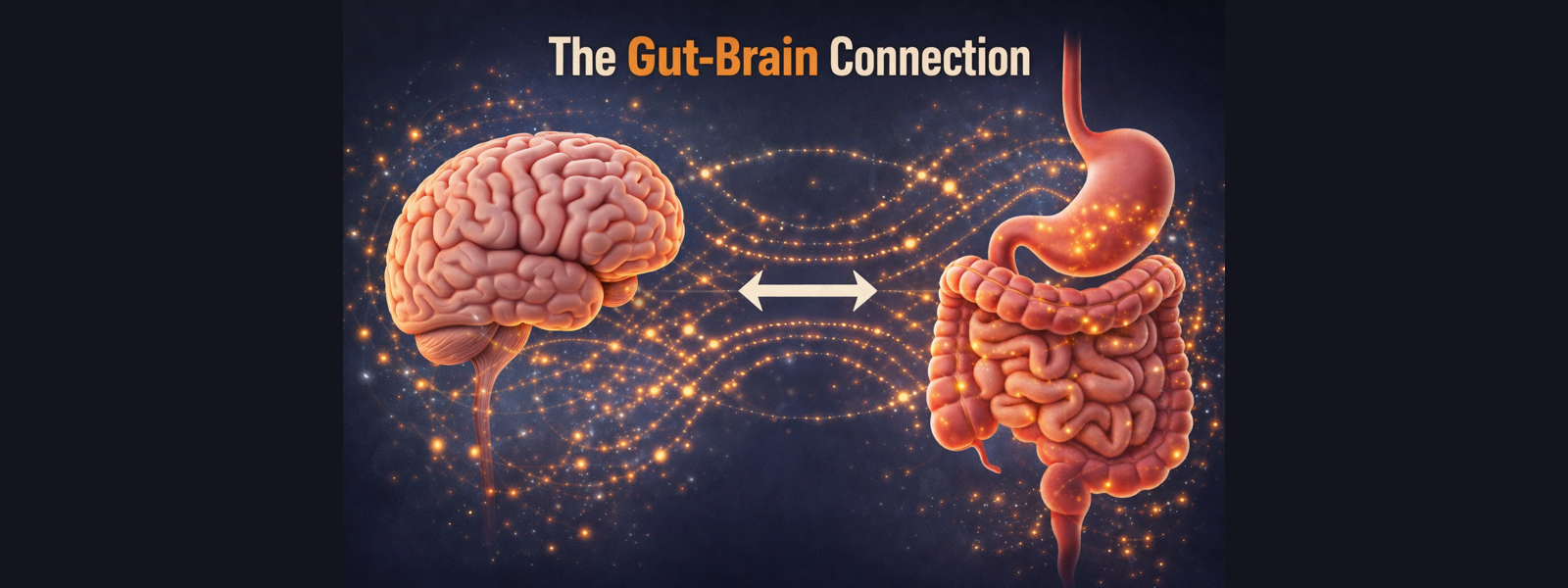
The Microbiome, Gut Health and Behaviour in Children - Is it really “just behaviour”?
Many autistic and ADHD children experience gut issues such as reflux, constipation, and food sensitivities. This blog explores how the microbiome and gut–brain connection can impact behaviour, mood, and emotional regulation.

When Parents Are Neurodivergent Too: The Overlooked Link to Children in Care
Many children in care are supported as individuals, but what if the parent is neurodivergent too? This blog explores the overlooked link between neurodivergent parents, unmet needs, and how early recognition could prevent family breakdown.
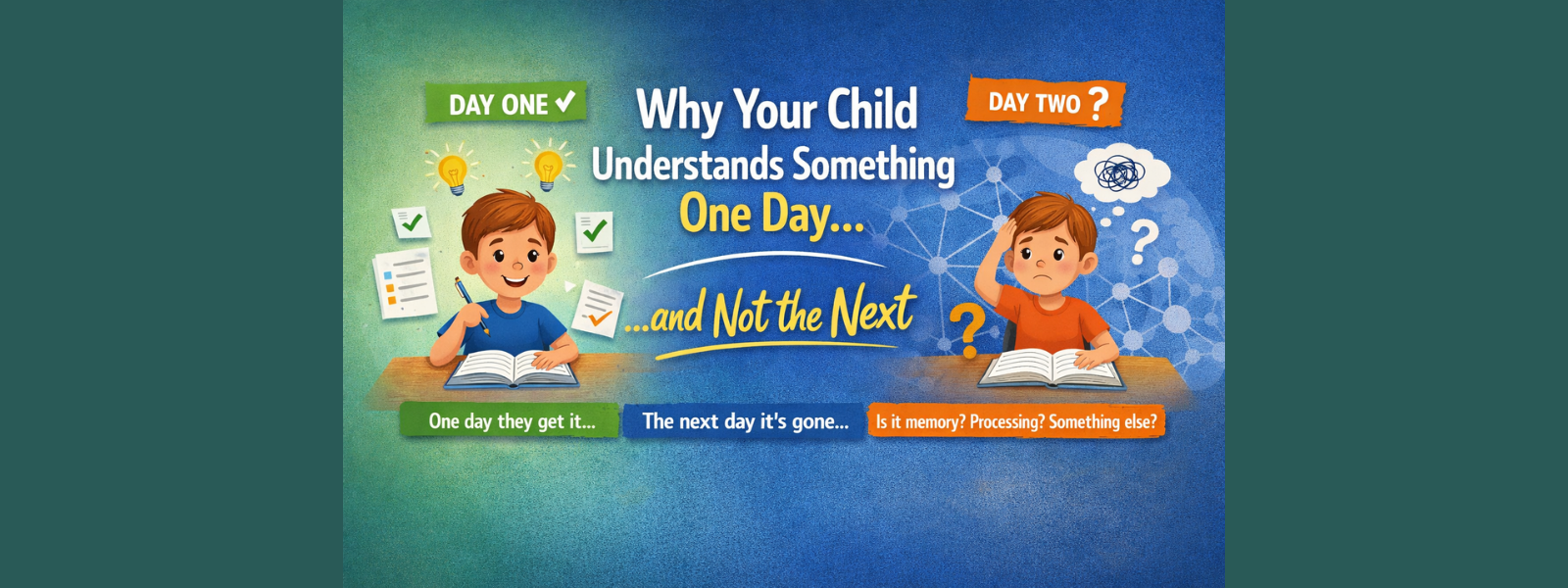
Why Your Child Understands Something One Day and Not the Next
Many children understand something one day, then seem to forget it the next. This blog explains how memory, processing, and executive functioning affect learning, and why inconsistency is often misunderstood.
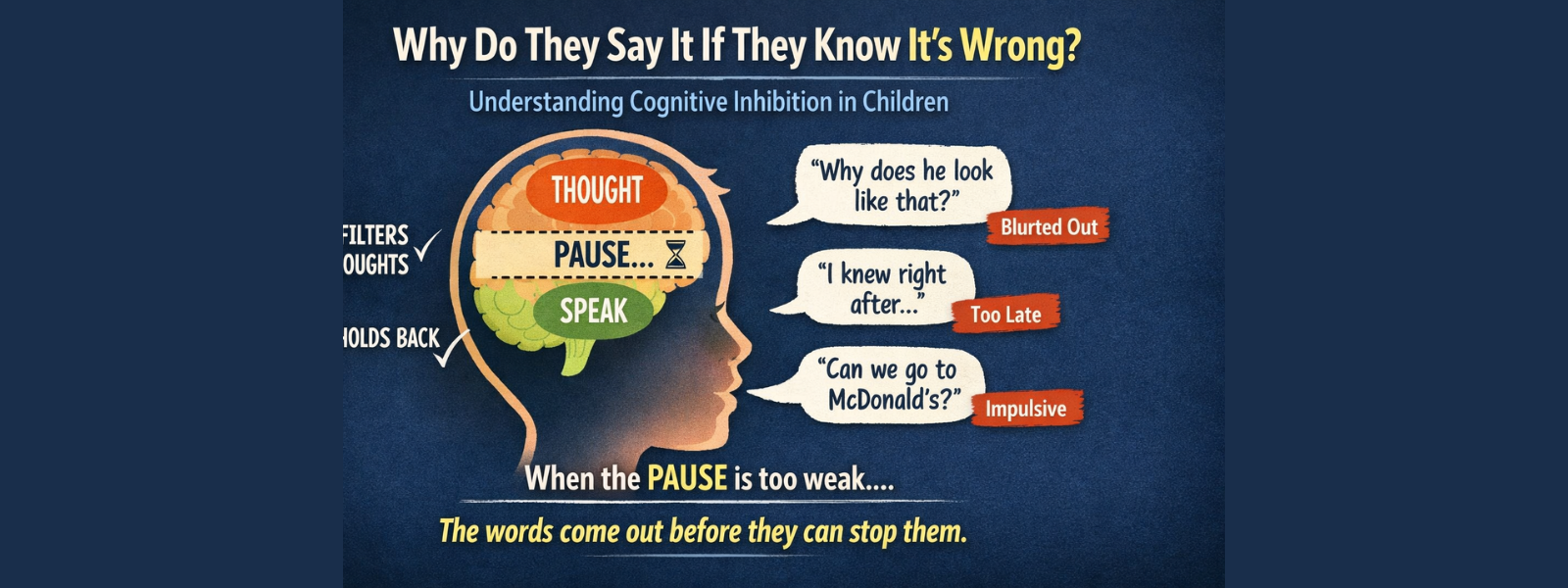
“Why Do They Say It If They Know It’s Wrong?” Understanding Cognitive Inhibition in Children
Some children say things that seem rude, off-topic, or inappropriate—yet they know it wasn’t right. This blog explains cognitive inhibition and why the brain struggles to filter thoughts in real time.
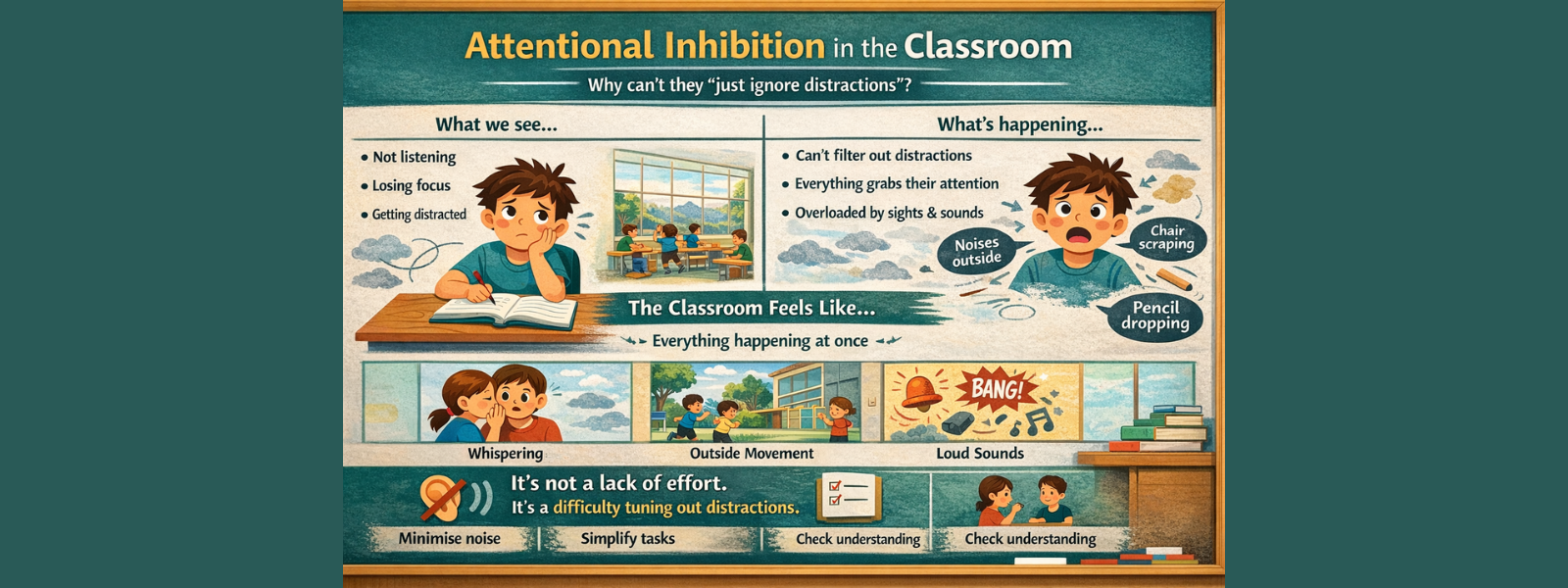
Why Some Children Can’t “Just Ignore Distractions” in the Classroom
In a busy classroom, focus isn’t just about trying harder. For some children, the real challenge is filtering out distractions. This blog explains attentional inhibition, why some children can’t “just ignore it,” and how understanding this can change the way we support them.

He Meant to Come Home… So Why Did He End Up in the Pub Again?
He said he was coming straight home, and he meant it.
So why did he still end up in the pub?
This blog explores ADHD, impulse, alcohol, and why understanding these skills early could change lives.