
When Your Child Interrupts: It’s Not Just Rudeness
Some children interrupt even when they know they shouldn’t. This blog explains why it happens in the moment, and why it’s not just behaviour.
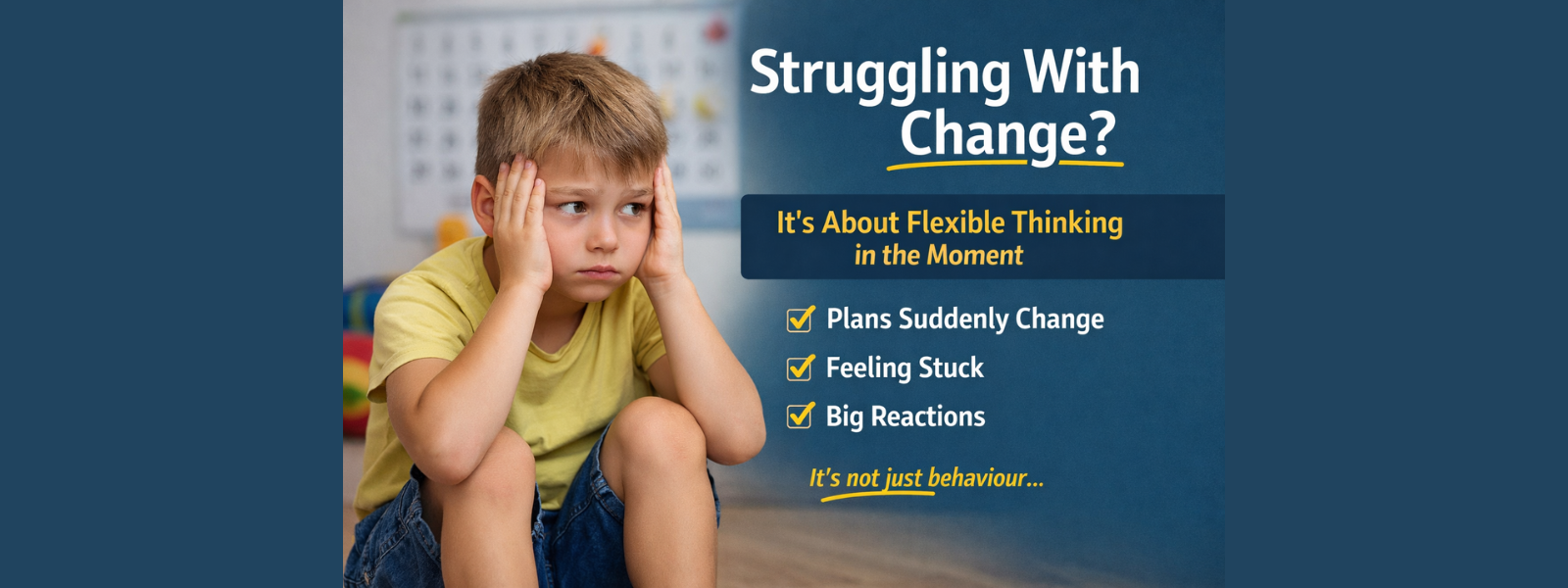
Why Your Child Struggles With Change
Some children cope well… until something changes. This blog explains flexible thinking, why it breaks down in the moment, and why it’s not about behaviour.
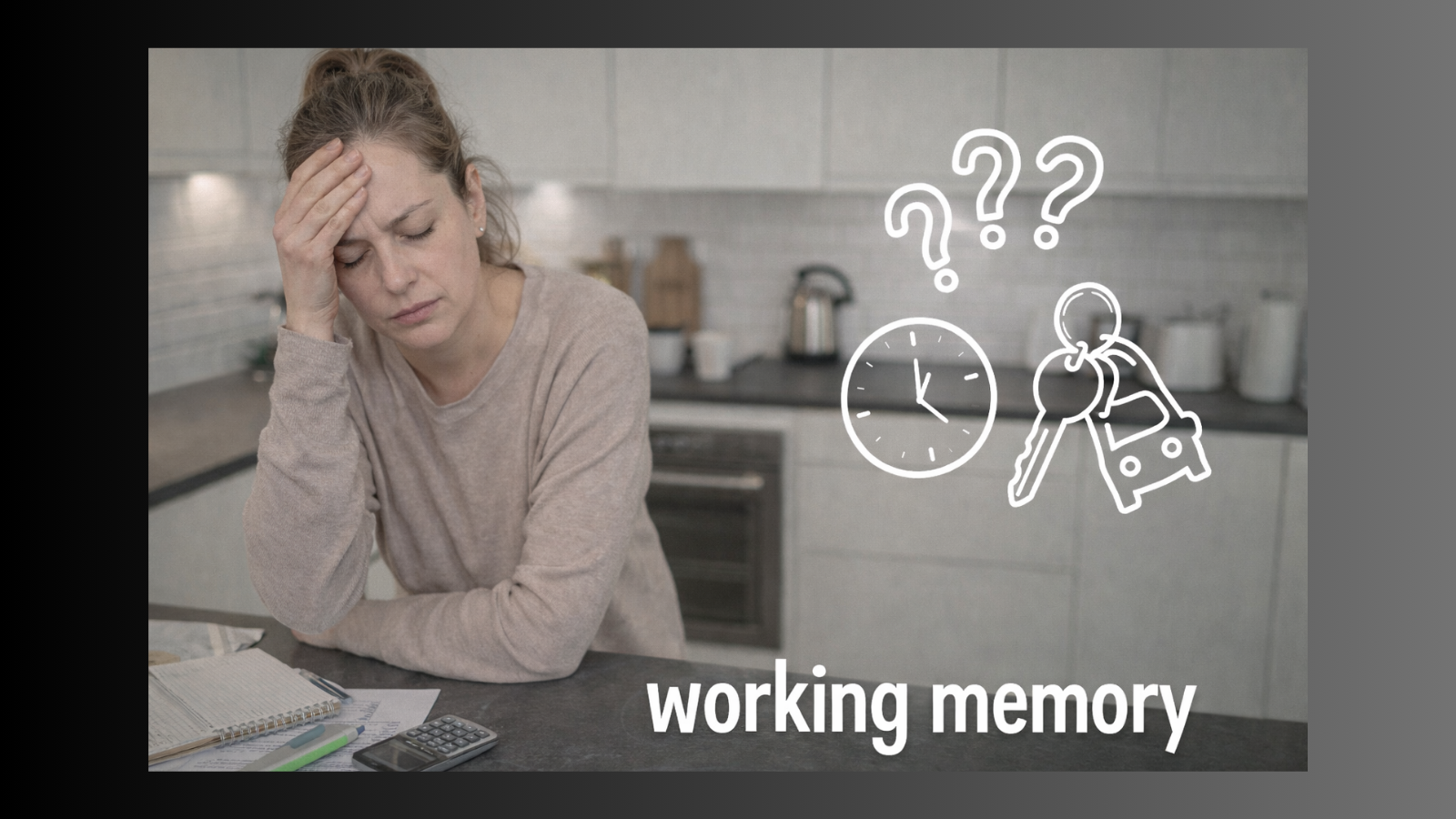
Why Your Child Forgets Instructions — And Why You Might Recognise This in Yourself Too
Ever walked into a room and forgotten why you went there? That’s working memory. This blog explains how it impacts everyday life and why it’s not about trying harder.
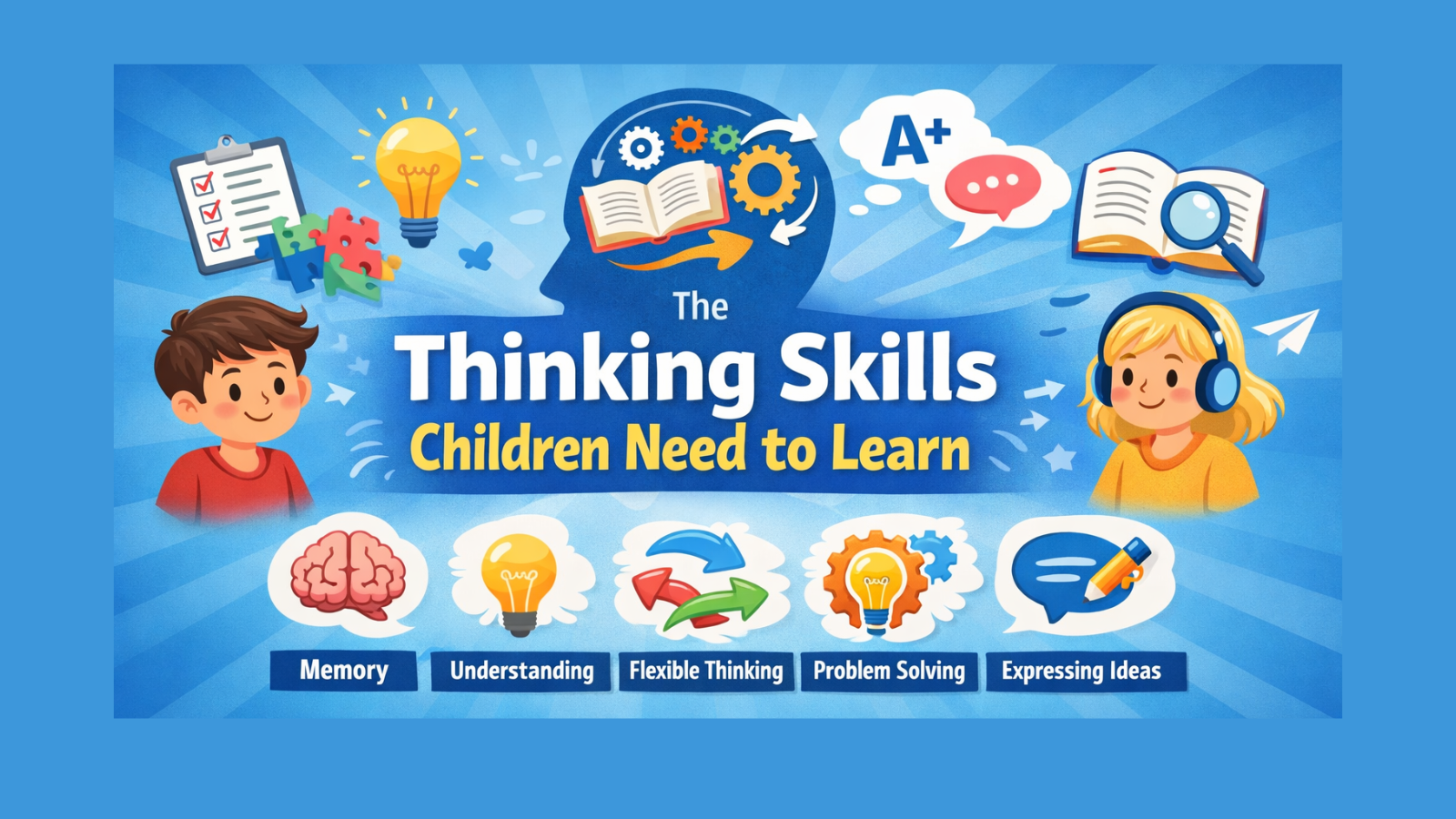
What Thinking Skills Do Children Actually Need to Learn?
Children do not just need intelligence to learn. They rely on a range of thinking skills including memory, understanding, flexible thinking, problem solving and executive functioning. When these skills are weaker, learning can feel much harder than it should.
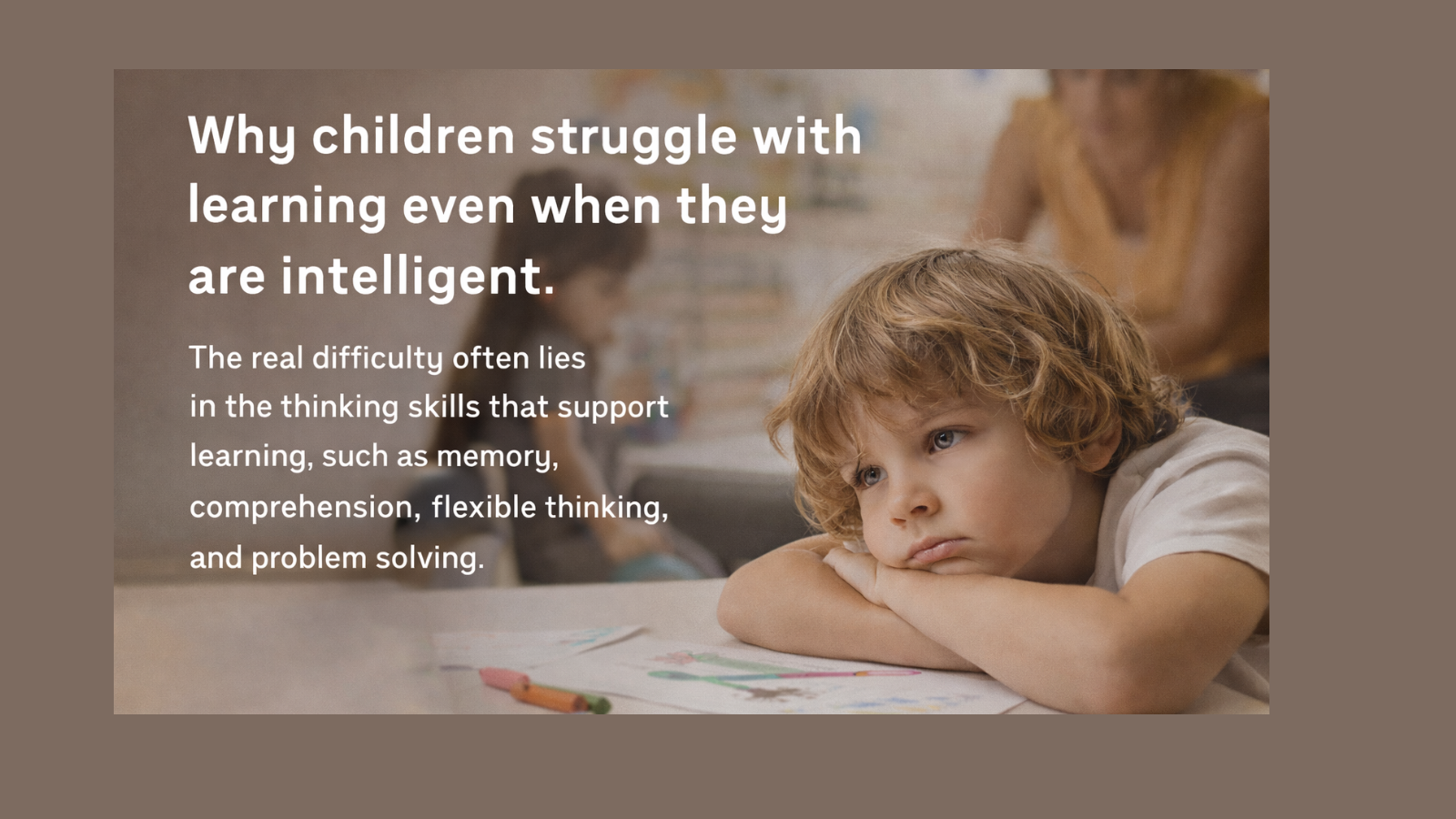
Why Some Intelligent Children Still Struggle to Learn
Many children who struggle in school are not lacking intelligence. Often the difficulty lies in the thinking skills that support learning. This article explores how cognitive abilities and executive functioning affect learning, and why the Structure of Intellect (SOI) approach can help identify where support is needed.

Understanding Alexithymia: The Invisible Emotional Barrier
Alexithymia affects the ability to recognise and describe emotions. This article explains what alexithymia is, why it occurs, and how it impacts relationships and emotional wellbeing.

It’s Not Laziness: How Executive Function Gaps Shape Teen Motivation
Many teenagers with ADHD are labelled as lazy or unmotivated, but the real issue often lies in executive functioning. Skills like initiation, time management, prioritising, and sustained attention develop differently in ADHD brains. When these brain systems struggle, everyday expectations such as homework, organisation, and starting tasks can feel overwhelming. Understanding the role of executive functioning and dopamine can help families move from frustration and blame toward understanding and support.
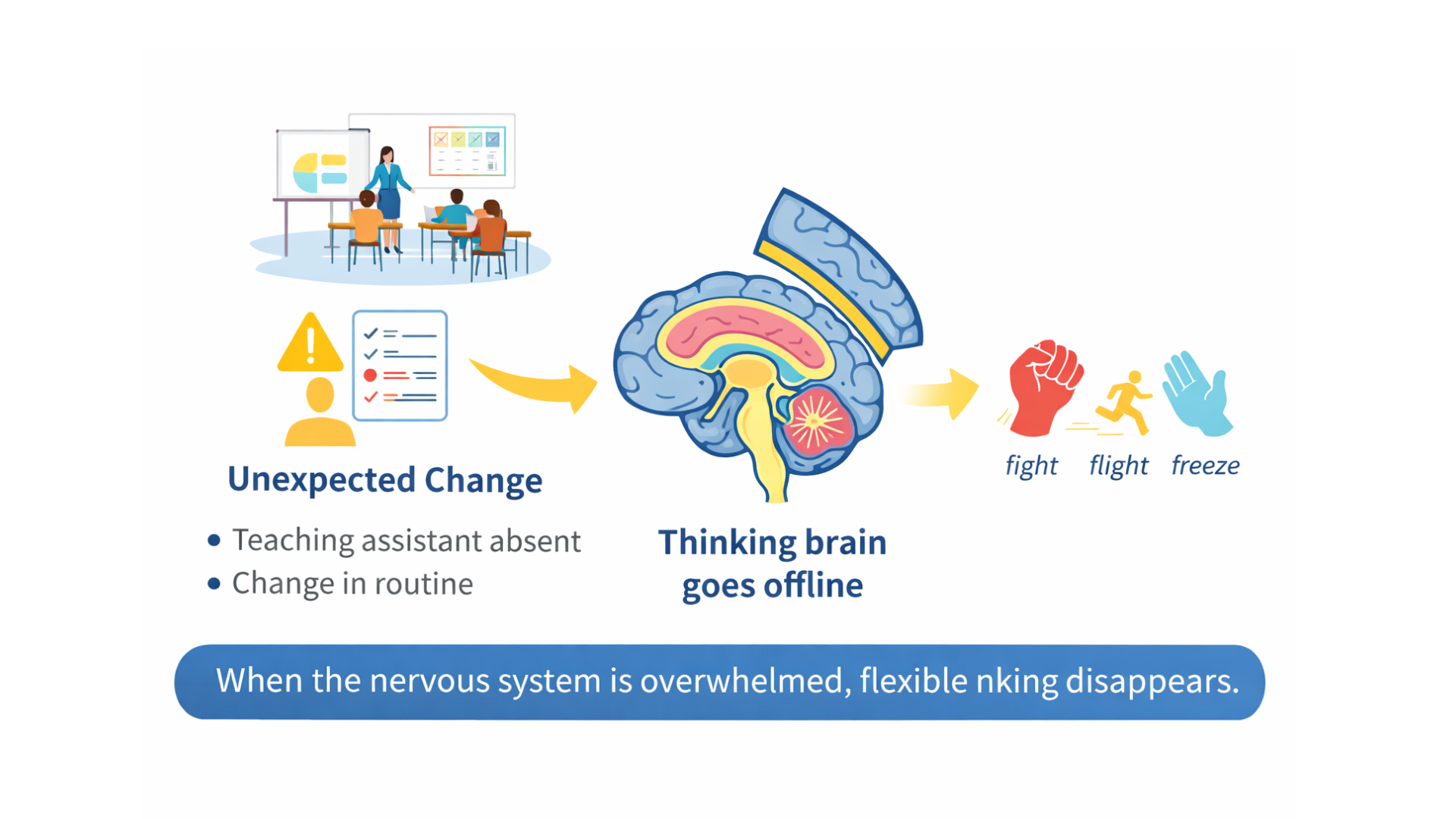
When a Child “Flips Their Lid”: What Teachers Often Miss
When a child reacted strongly to discovering her usual teaching assistant was absent, the behaviour was seen as defiance. But what teachers witnessed was actually the result of a nervous system response known as “flipping your lid.” Understanding the brain behind the behaviour can completely change how schools respond.
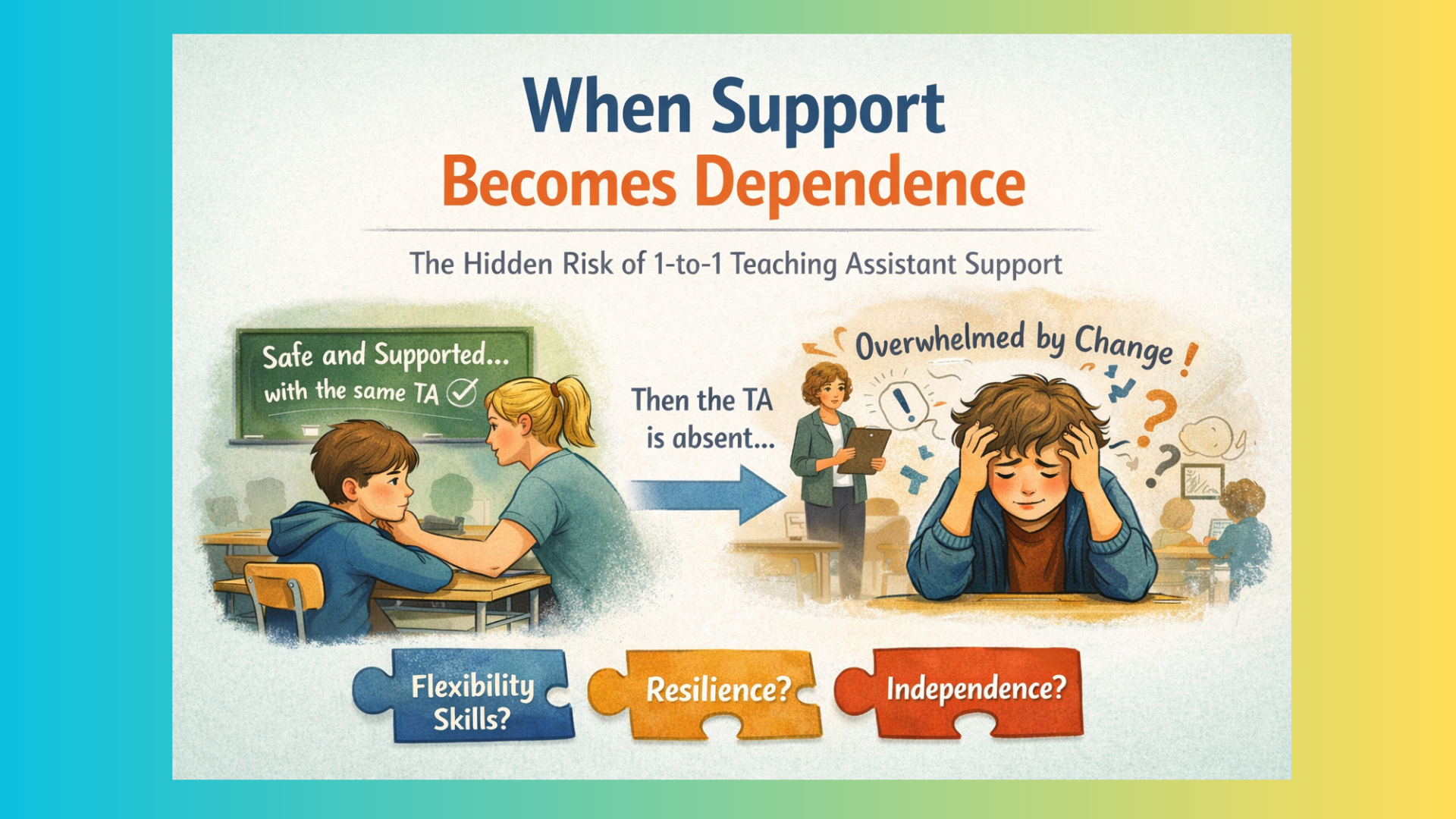
When Support Becomes Dependence: The Hidden Risk of 1-to-1 Teaching Assistant Support
1-to-1 Teaching Assistant support can help children cope in the classroom, but what happens when that support becomes dependence? This blog explores how relying on one adult can unintentionally prevent children from developing flexible thinking and independence, and why schools need to balance support with skill building.
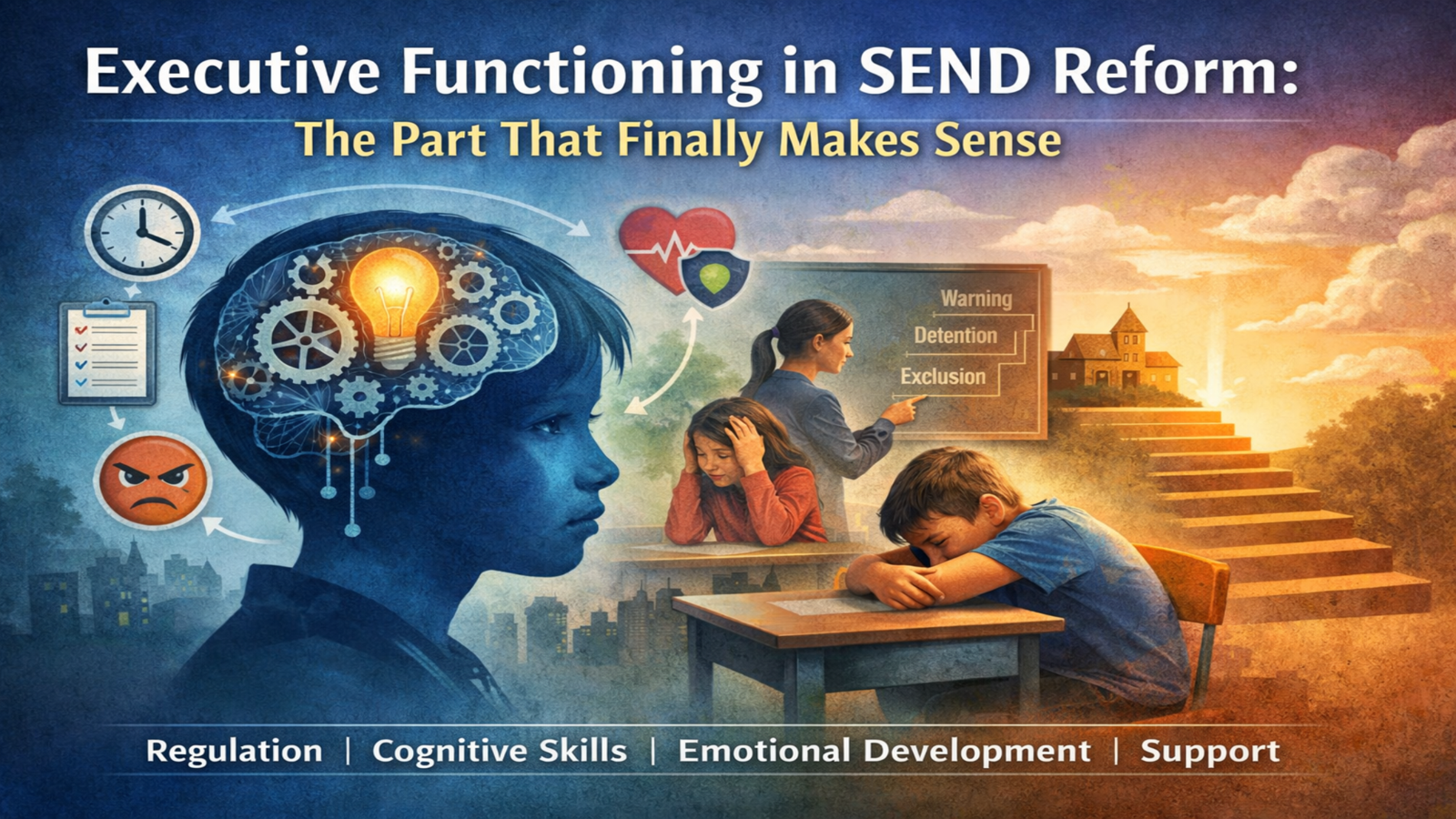
Executive Functioning in SEND Reform: The Part That Finally Makes Sense
SEND reform is beginning to recognise executive functioning as central to learning. Understanding how regulation and development underpin these skills may be key to reducing escalation and supporting children earlier in education.
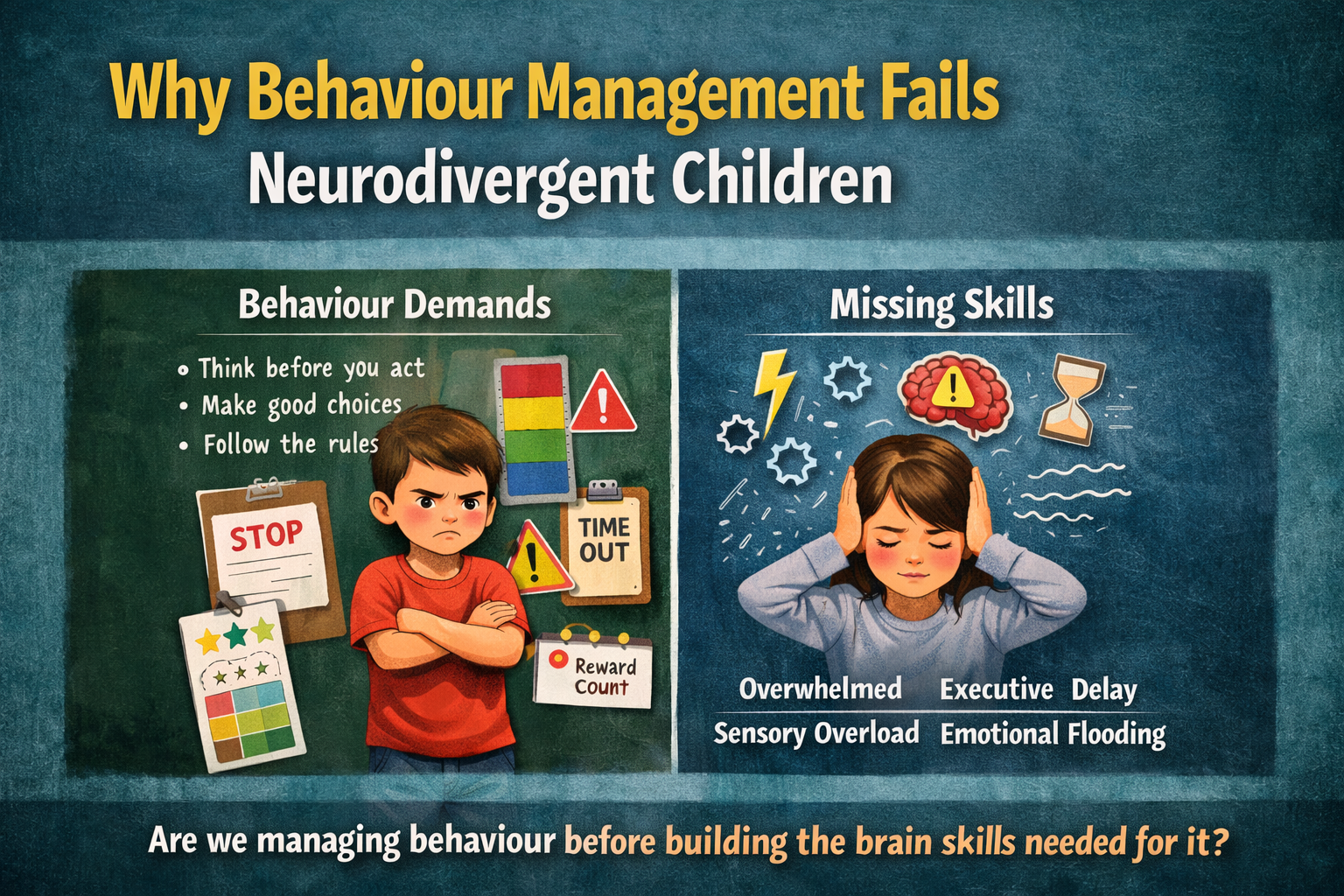
Why Behaviour Management Fails When the Skills for Emotional Intelligence Haven’t Been Built Yet
Behaviour management often assumes children can regulate emotions and make better choices. But emotional intelligence depends on underlying brain development. For many autistic children and those with ADHD or SEND, behaviour reflects overwhelmed capacity — not defiance. This article explores why skills must be built before behaviour can change.

Why Are We Linking Autism to Intelligence?
When did autism become linked to intelligence? Autism describes how the brain processes the world — not cognitive ability. Here’s why that distinction matters.
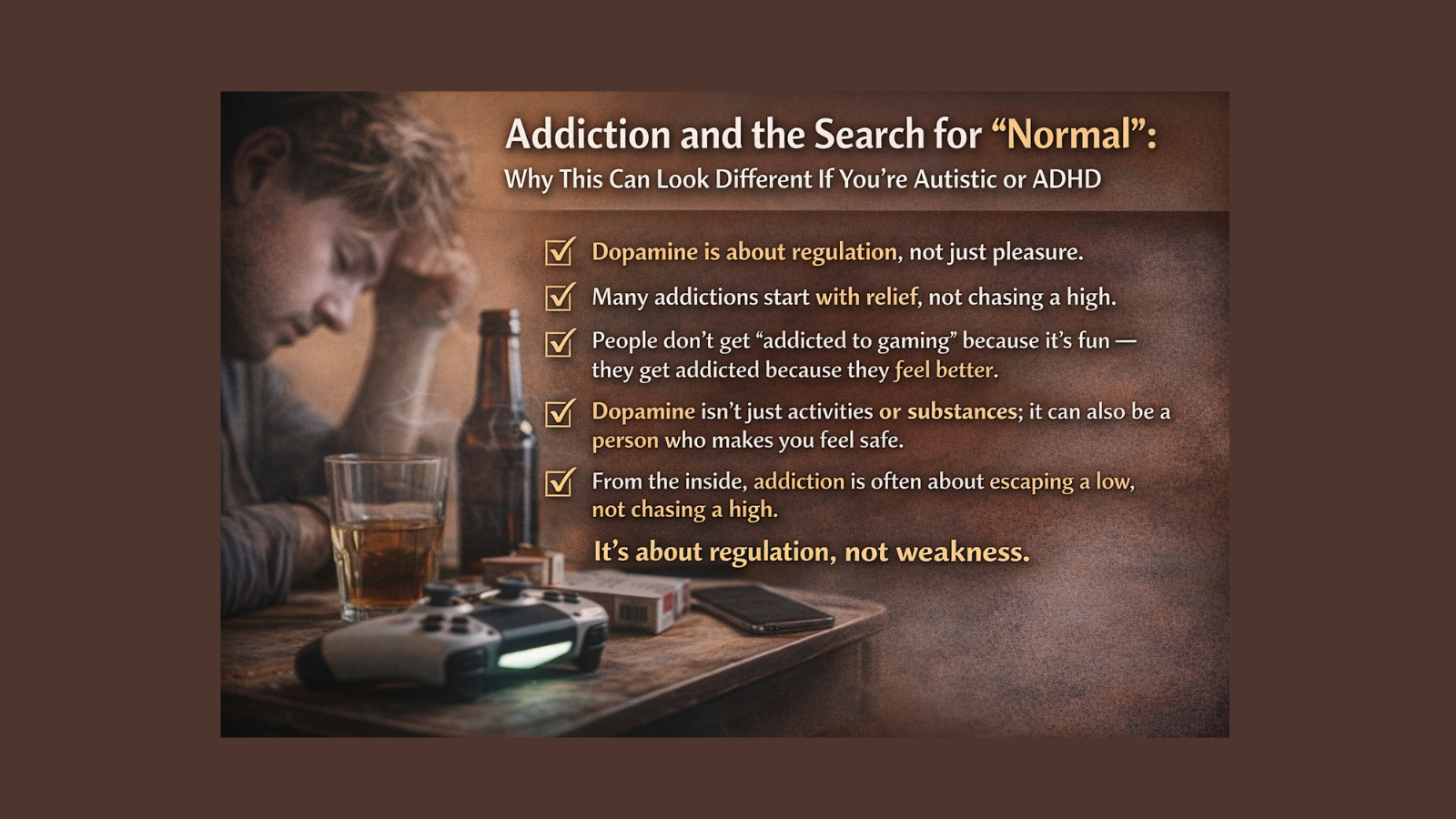
Addiction and the Search for “Normal”
Addiction is often misunderstood as a lack of willpower. This blog explores how dopamine, regulation, and nervous system needs can make addiction risk higher if you’re autistic or ADHD — and why it’s often about escaping a low, not chasing a high.
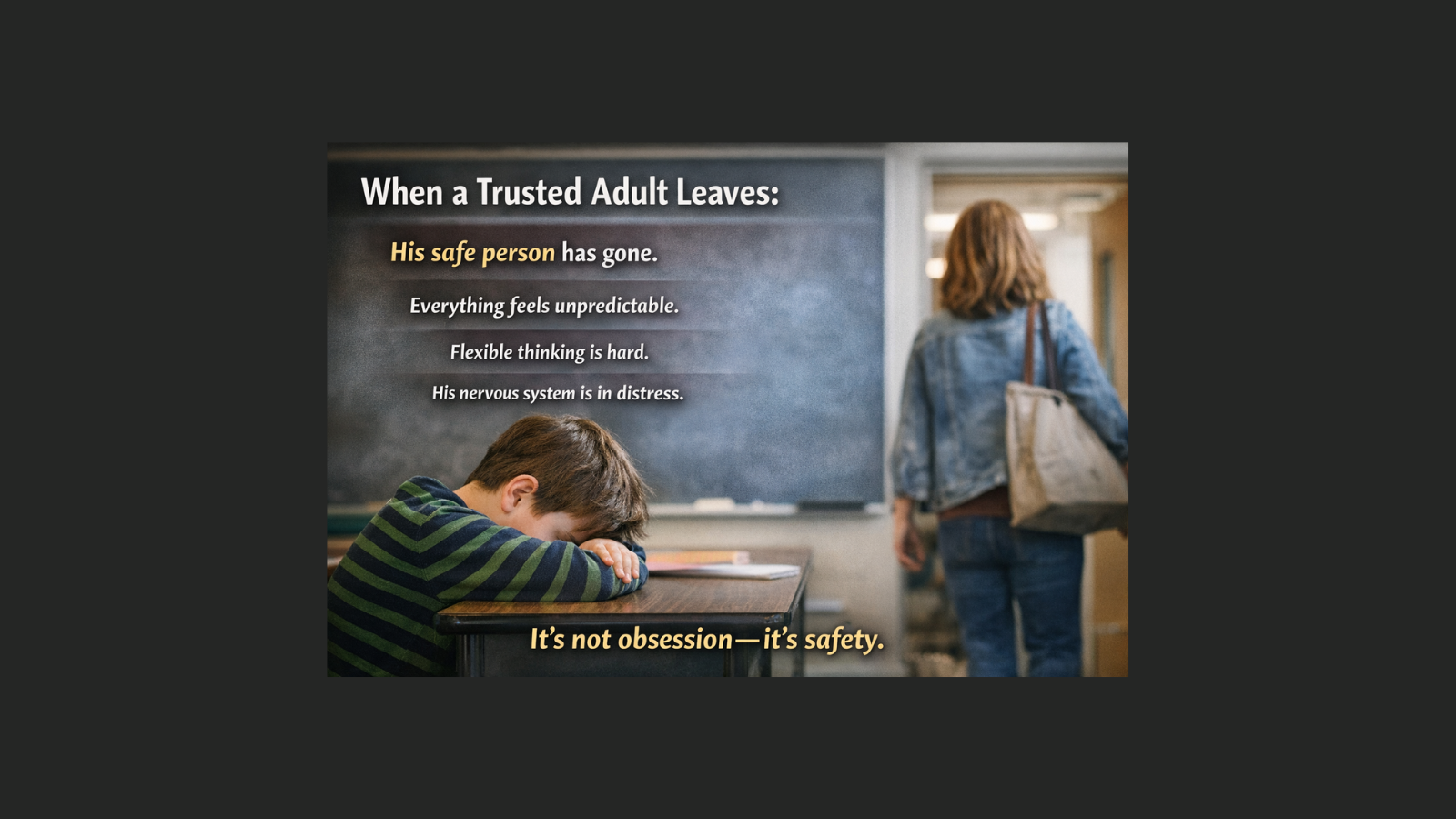
“They Were Fine Until the TA Left”: Understanding Attachment in Autism and ADHD
When a trusted adult leaves school, some children seem to fall apart overnight. This blog explains why, if you are autistic or ADHD, safety and predictability matter more than people realise.

When Flexible Thinking Causes Family Clashes
In a busy household, plans change constantly — and that’s exactly where clashes can start. This blog explains flexible thinking (cognitive flexibility), why it’s hard for ADHD and autistic brains, and how small changes become big rows.

“The Thoughts You Don’t Want: A Gentle Look at OCD and the Mind”
OCD isn’t about being tidy. It’s often about frightening, unwanted intrusive thoughts and the desperate need to feel certain and safe. This blog explains what intrusive thoughts are and how to respond gently.

Why Strengthening Executive Function Skills is a Game-Changer for Autistic & ADHD Brains
If mornings feel like juggling jelly, executive functions might be the missing piece. This blog explains the brain’s “air traffic control” system and why strengthening it is a game-changer for autistic and ADHD daily life.

Why Do I Think Like This? - Suicidal Thoughts, Autism, ADHD and the Pain of Feeling Constantly Criticised
If you feel like you’re always getting it wrong, constantly judged, or stuck in shame, you’re not broken. This blog explains how autism, ADHD and criticism sensitivity can create painful thought loops — and what can help.

Why Those Who Are Autistic or ADHD Are So Often Labelled “Manipulative
Being labelled “manipulative” can be deeply harmful for autistic and ADHD people. What looks like manipulation is often anxiety, overwhelm, and a need for safety — not bad intent.
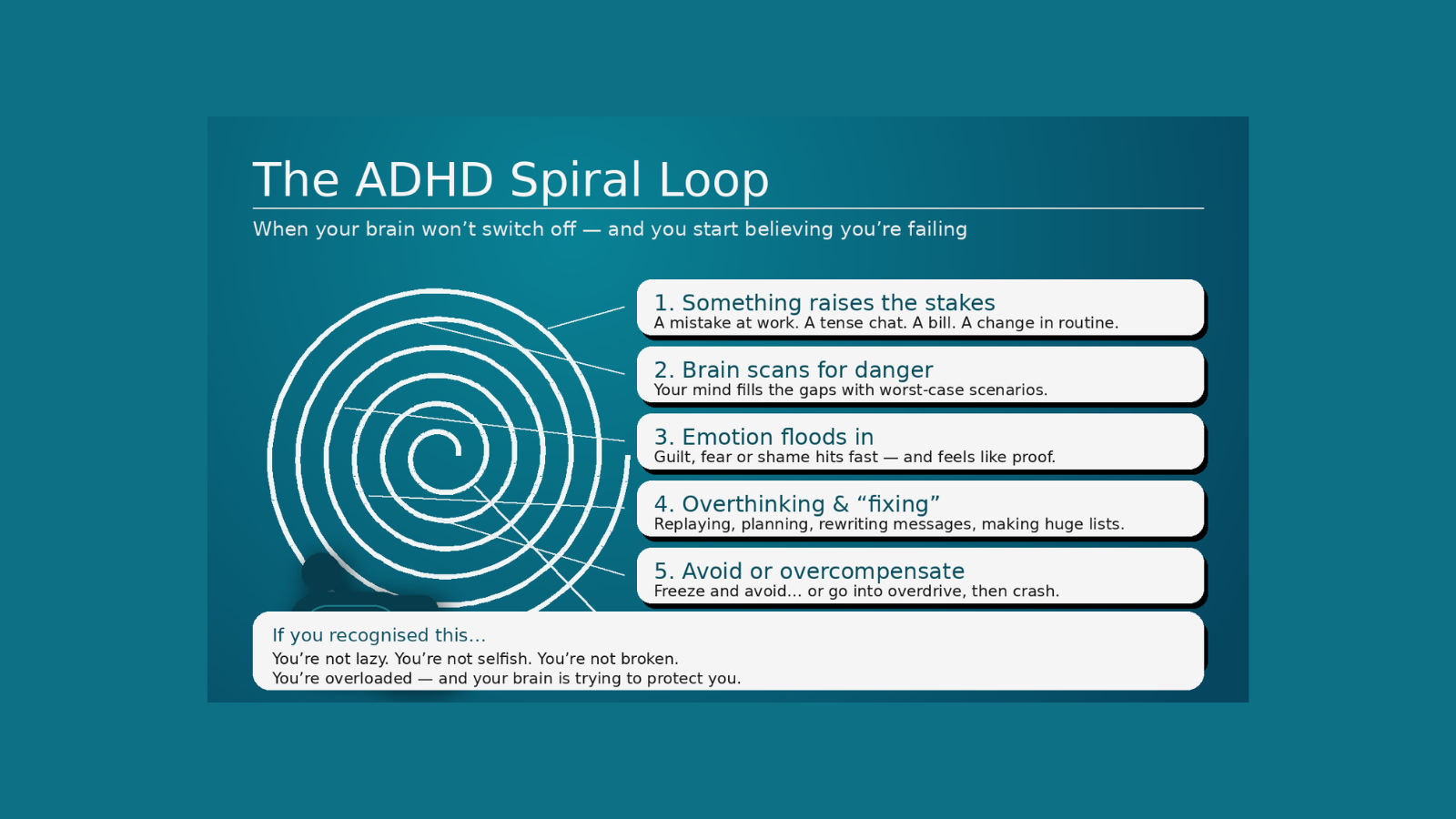
The ADHD spiral loop - When your brain won’t switch off, and you start believing you’re failing
When life gets heavy, many adults with ADHD fall into a predictable spiral: pressure triggers worst-case thinking, emotions flood in, overthinking takes over, and the brain flips into avoidance or overdrive—followed by shame. This post helps you recognise the ADHD spiral loop and understand why it isn’t laziness or selfishness.