
The Overlooked Link Between ADHD and Prison:
ADHD is widely misunderstood within the prison system. This blog explores the link between ADHD, behaviour, and imprisonment, and why early identification and support matter
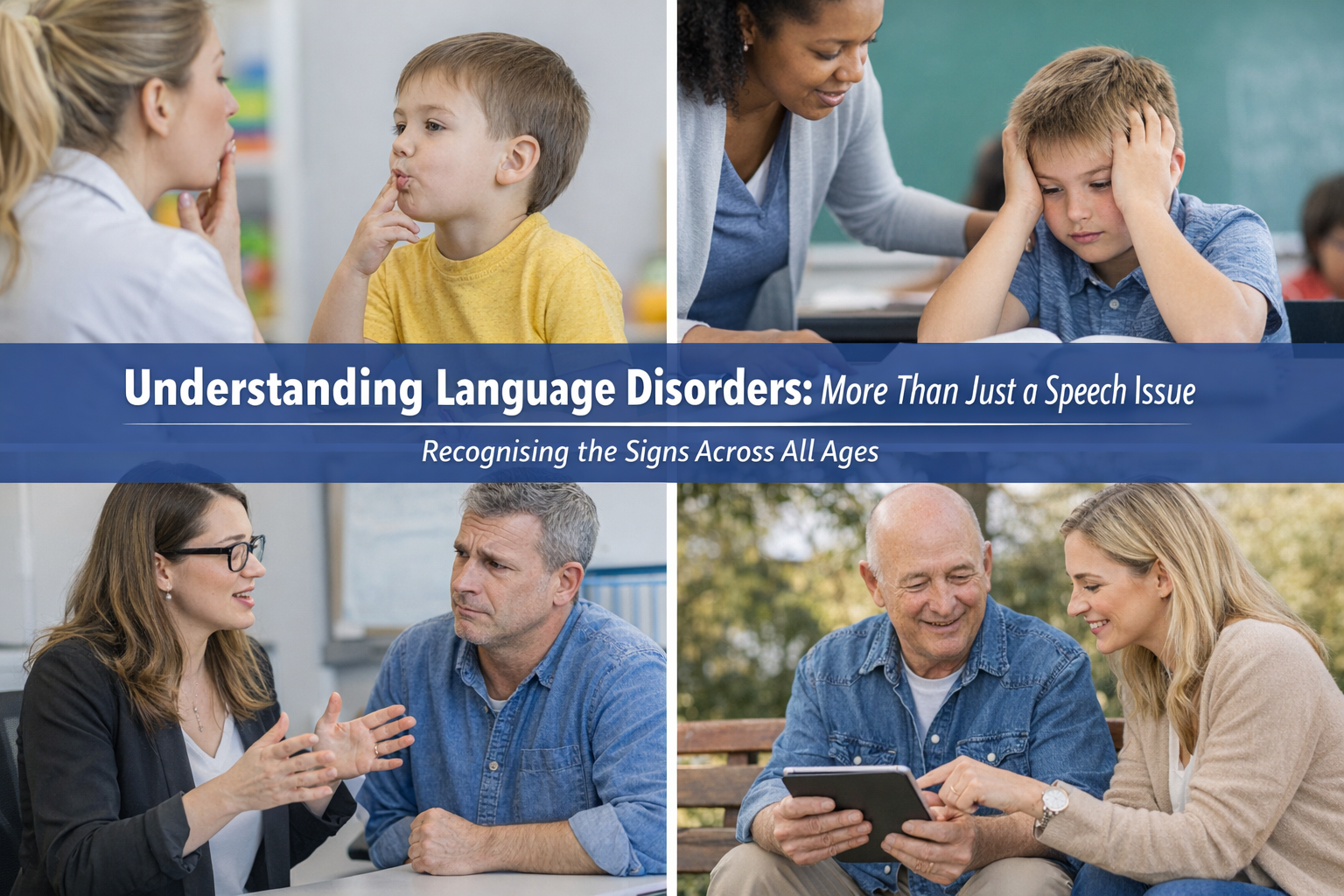
Understanding Language Disorders: More Than Just a Speech Issue
Language disorders affect how people understand and use language, not intelligence. This blog explains the types, signs across ages, and how support can help.

When Social Fatigue Makes Work Feel Impossible
Social fatigue can make full-time work feel impossible, especially for autistic and ADHD people. This blog explains why social interaction drains energy and how workplaces can reduce burnout.

Explaining Social Fatigue to Friends or a Partner
Social fatigue isn’t rudeness or lack of interest. For autistic and ADHD people, it’s mental exhaustion after socialising. This blog explains how to communicate limits without guilt.

Executive Function in Autism & ADHD – Same Skills, Different Weak Spots
Executive functioning skills are the same in autism and ADHD, but the weak spots are often different. This blog explains flexible thinking, working memory, and inhibitory control in a clear, real-life way.

Autism Is Not a Brand: The Hidden Dangers of Turning Difference into a Product
Autism is increasingly being packaged and sold under the banner of representation. This blog explores the dangers of profiting from autism, particularly when narrow portrayals of autistic girls risk shaping identity, increasing masking, and causing real harm to children.
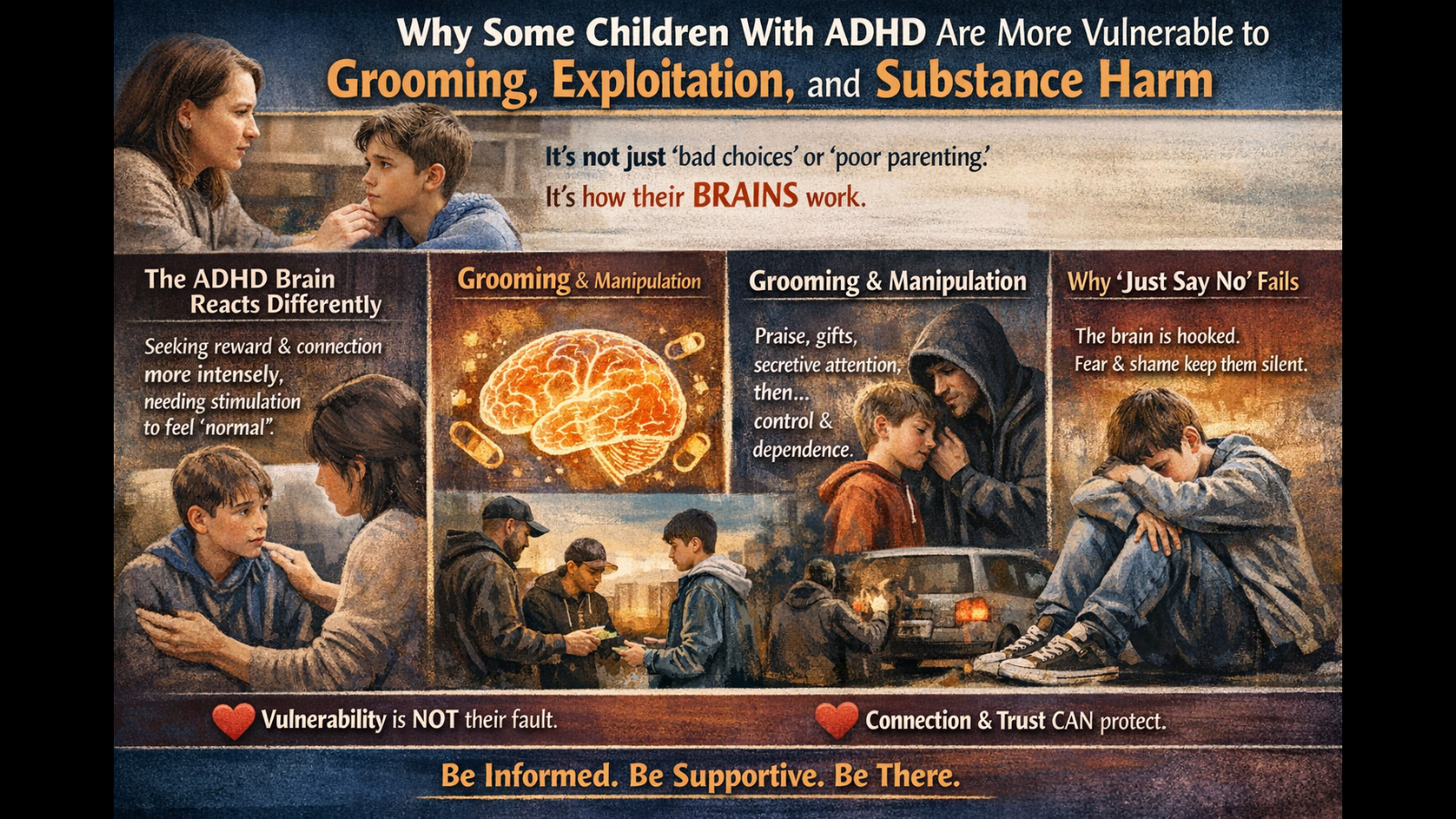
ADHD and Vulnerability: Grooming, County Lines, and the Role of the Brain
Some children with ADHD are more vulnerable to grooming, exploitation, and substance harm — not because of bad parenting or poor choices, but because of how their brains process reward, connection, and emotional regulation. This blog explains why, and what parents need to know to protect their children.

ADHD and Autism: Different Ways the Brain Regulates Action, Attention, and Emotion
ADHD and autism aren’t behaviour problems. They are differences in how the brain regulates starting, stopping, switching, and emotion. This blog explains those differences in a clear, compassionate way for parents and adults trying to understand themselves.


For Nearly 3 Years, SENCOs Can Hold Their Role Without Training – No Wonder ADHD Kids Are Failed
SENCos can hold their role for nearly three years without mandatory training. This article examines how that gap contributes to ADHD children being misunderstood, mislabelled, excluded, and ultimately failed by an education system that hasn’t evolved to meet neurodivergent needs.

Understanding Social Communication and Its Challenges for Those Who Are Autistic
Social communication is about far more than spoken words. For autistic people, navigating non-verbal cues, conversation rules, and social expectations can be exhausting — and often misunderstood. This article explores why social interaction can be so challenging and how we can offer better support.

Criminalised, Not Criminal: Reflections on Autism and the Justice System
A reflection on autism and the criminal justice system, exploring how autistic behaviour is often misunderstood as intent, and the consequences when reasonable adjustments are not made.

From the Classroom to the Courtroom: Why ADHD Support Could Break the School-to-Prison Pipeline
Undiagnosed ADHD is often punished instead of supported — pushing vulnerable young people from school exclusion into the criminal justice system. This cycle is preventable.

Why Understanding ADHD in Your Teen Could Change Everything
Parenting a teenager with ADHD can feel emotionally intense and unpredictable. This post explains why criticism sensitivity is so common in ADHD, what’s happening beneath the surface, and how understanding it can change the way you support your teen.

Intense Emotions and ADHD
Emotional regulation is one of the most misunderstood parts of ADHD. This post explores seven key truths about why emotions feel so intense, what’s happening in the brain, and how understanding this can improve daily life and relationships.

Understanding Misdiagnosis: From Borderline Personality Disorder to Autism
Many autistic adults — especially women — are misdiagnosed with Borderline Personality Disorder before autism is ever considered. This post explores why that happens, the harm it causes, and how lived experience is often misunderstood by professionals.

Navigating Intrusive Thoughts with ADHD: Insights from Real Experiences
Intrusive thoughts are a common but misunderstood part of ADHD. This post explores what intrusive thoughts really are, why they happen, and how they affect daily life — explained through lived experience, not fear or myths.

Seven Nervous Systems Under One Roof
Many parents worry their child “only does things if there’s a reward.”
For many autistic and ADHD children, this isn’t laziness, manipulation, or bad parenting — it’s neurological.
This post explains why motivation works differently and how to support it without shame.

We Are Not the Puzzle
A reflection on why the puzzle piece symbol has never sat right with me — and why I don’t see people as the puzzle. Life is.