
Before We Support the Behaviour, We Need to Understand the Child
We often notice the behaviour first. Interrupting, forgetting instructions, rushing, struggling with change or becoming stuck. But those behaviours can also give us clues about the underlying skills a child may be finding difficult to use. This blog explores why careful observation and cognitive understanding can help us build a fuller profile of the individual child.

Accountability and Executive Function: Why Consequences Are Not Enough
Children need to learn responsibility, but consequences alone do not teach working memory, organisation, task initiation or emotional regulation. Supported accountability helps children repair what happened while developing the skills needed for next time.
What Parents Need to Know: A Diagnosis Is Only the Starting Point
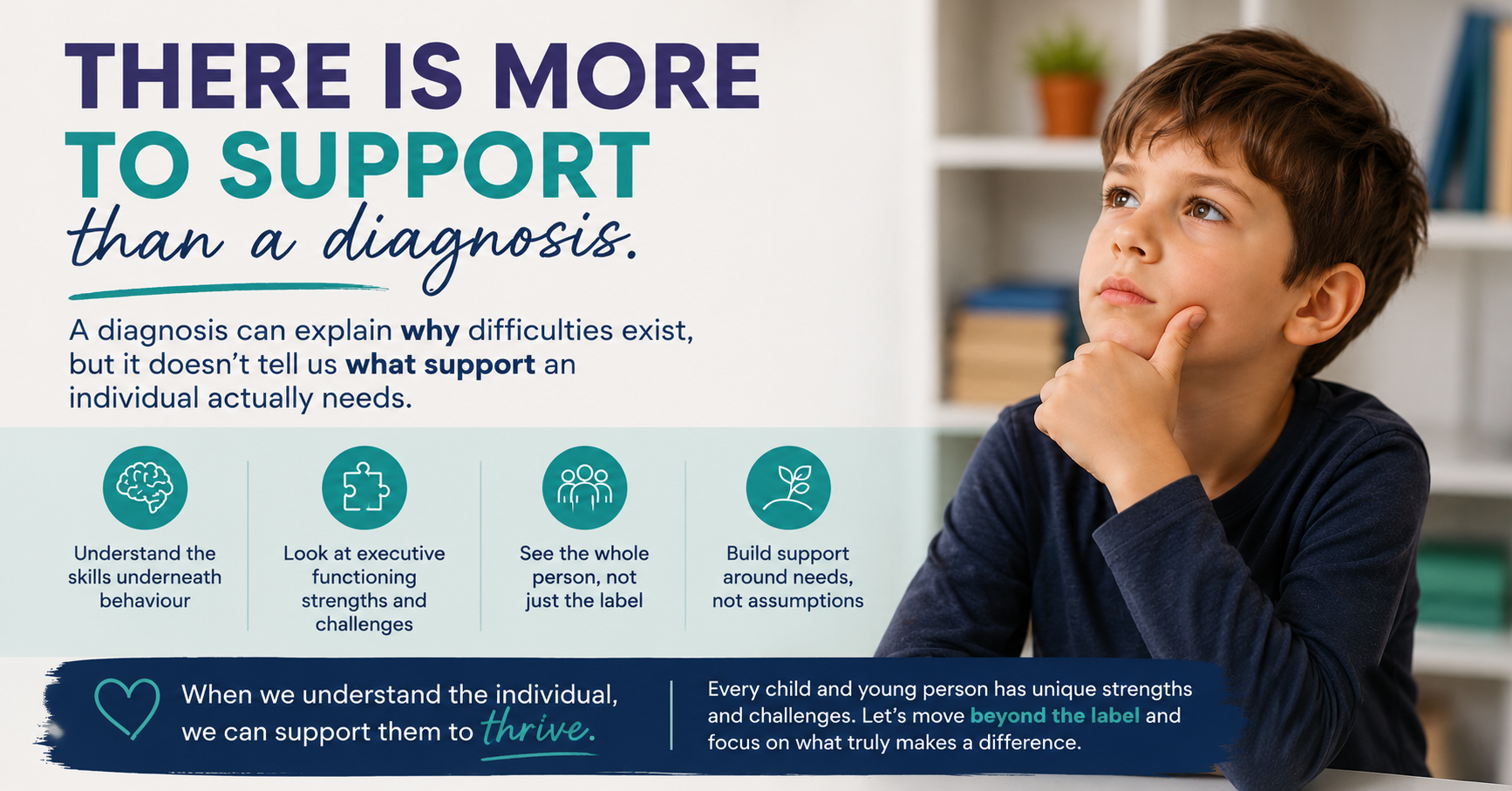
A diagnosis is important, but it is only the starting point. To truly support neurodivergent children, parents need to understand the skills underneath behaviour, learning and emotional regulation.
When Every Choice Feels Too Much: Decision Making and Executive Functioning
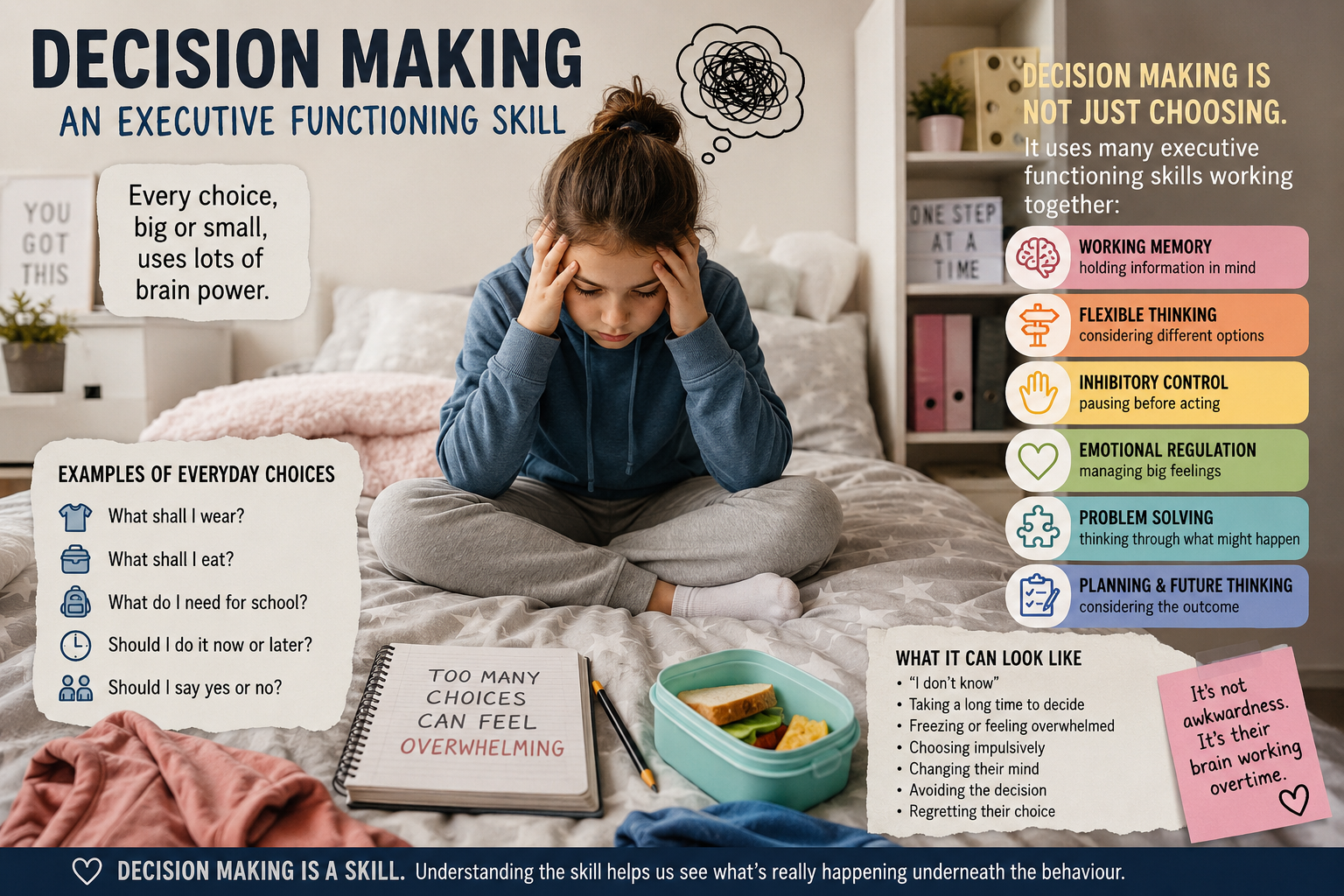
Decision making is an executive functioning skill we use every day. For some children and adults with ADHD, autism or executive functioning difficulties, even small choices can feel overwhelming.
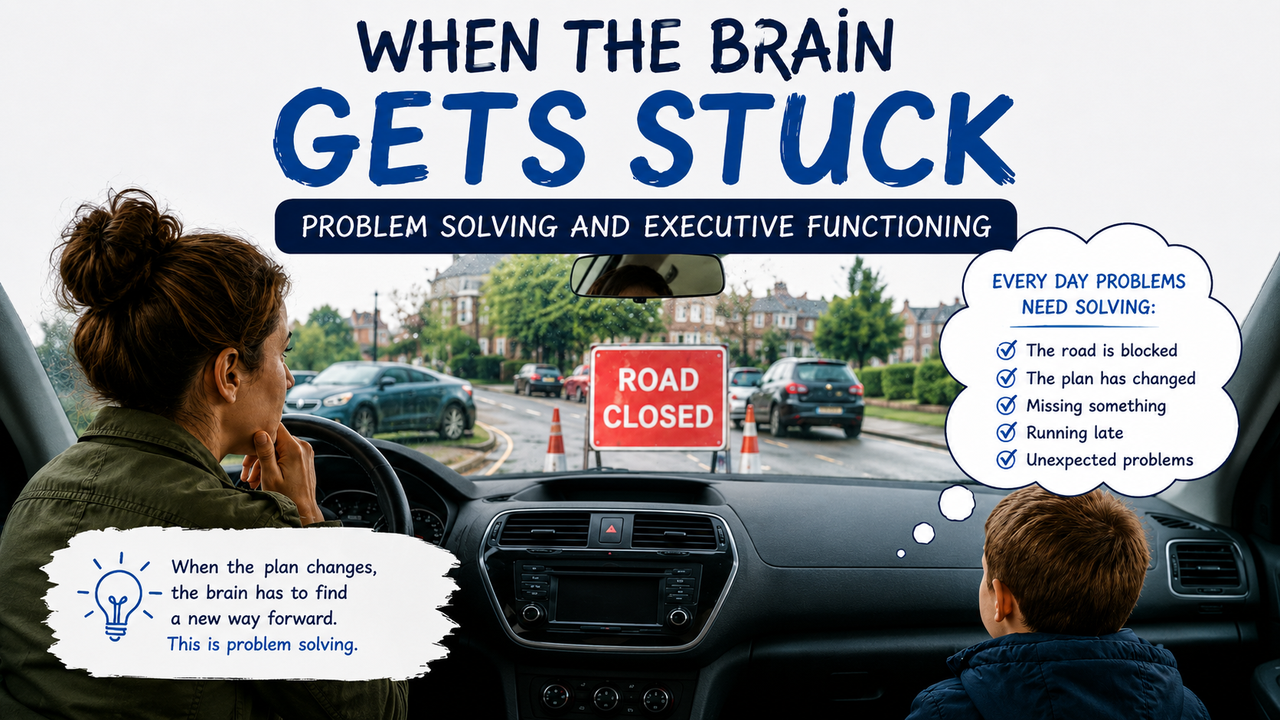
When the Brain Gets Stuck: Problem Solving and Executive Functioning
Problem solving is an executive functioning skill we use all day, every day. When this skill is difficult, small problems can feel overwhelming and lead to big reactions.
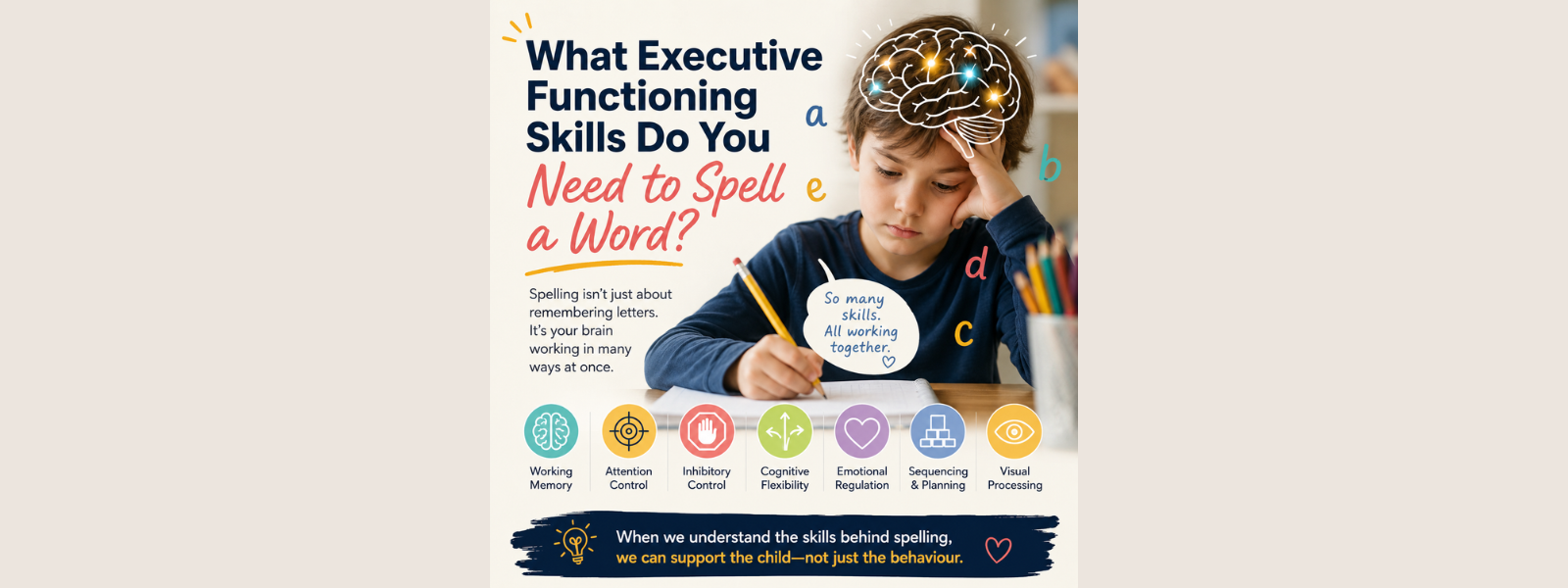
What Executive Functioning Skills Do You Need To Spell A Word?
Many people think spelling is simply about remembering words. But spelling actually relies on multiple executive functioning skills working together at the same time. This blog explores how working memory, attention, inhibitory control and emotional regulation impact spelling in autistic and ADHD childre

Have We Confused Validating Emotions with Accepting Dysregulation?
There has been a shift in how we respond to children’s behaviour. While validating emotions is important, it is not enough. This blog explores how inhibitory control and flexible thinking impact emotional regulation, and why children need skill building, not just understanding.
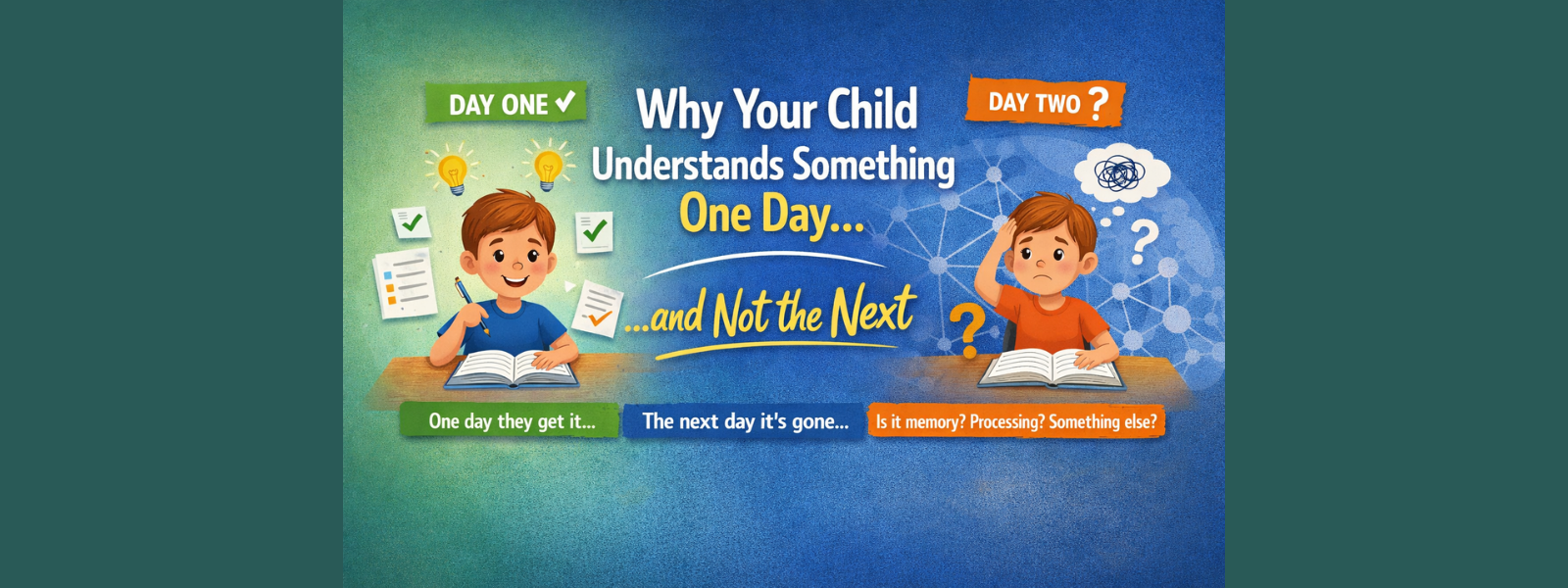
Why Your Child Understands Something One Day and Not the Next
Many children understand something one day, then seem to forget it the next. This blog explains how memory, processing, and executive functioning affect learning, and why inconsistency is often misunderstood.

Why Your Child Struggles With Change
Some children cope well… until something changes. This blog explains flexible thinking, why it breaks down in the moment, and why it’s not about behaviour.
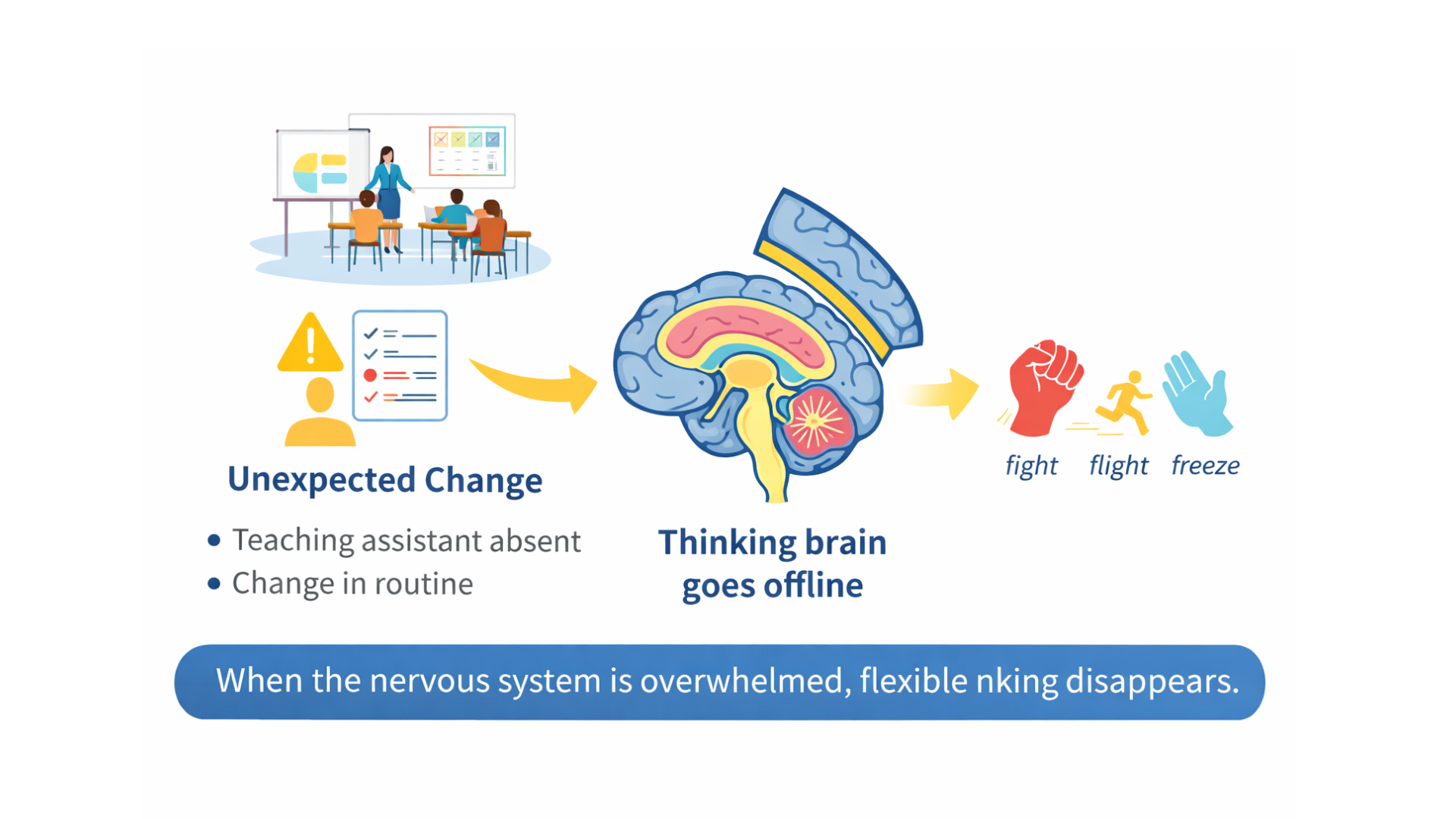
When a Child “Flips Their Lid”: What Teachers Often Miss
When a child reacted strongly to discovering her usual teaching assistant was absent, the behaviour was seen as defiance. But what teachers witnessed was actually the result of a nervous system response known as “flipping your lid.” Understanding the brain behind the behaviour can completely change how schools respond.

When Flexible Thinking Causes Family Clashes
In a busy household, plans change constantly — and that’s exactly where clashes can start. This blog explains flexible thinking (cognitive flexibility), why it’s hard for ADHD and autistic brains, and how small changes become big rows.
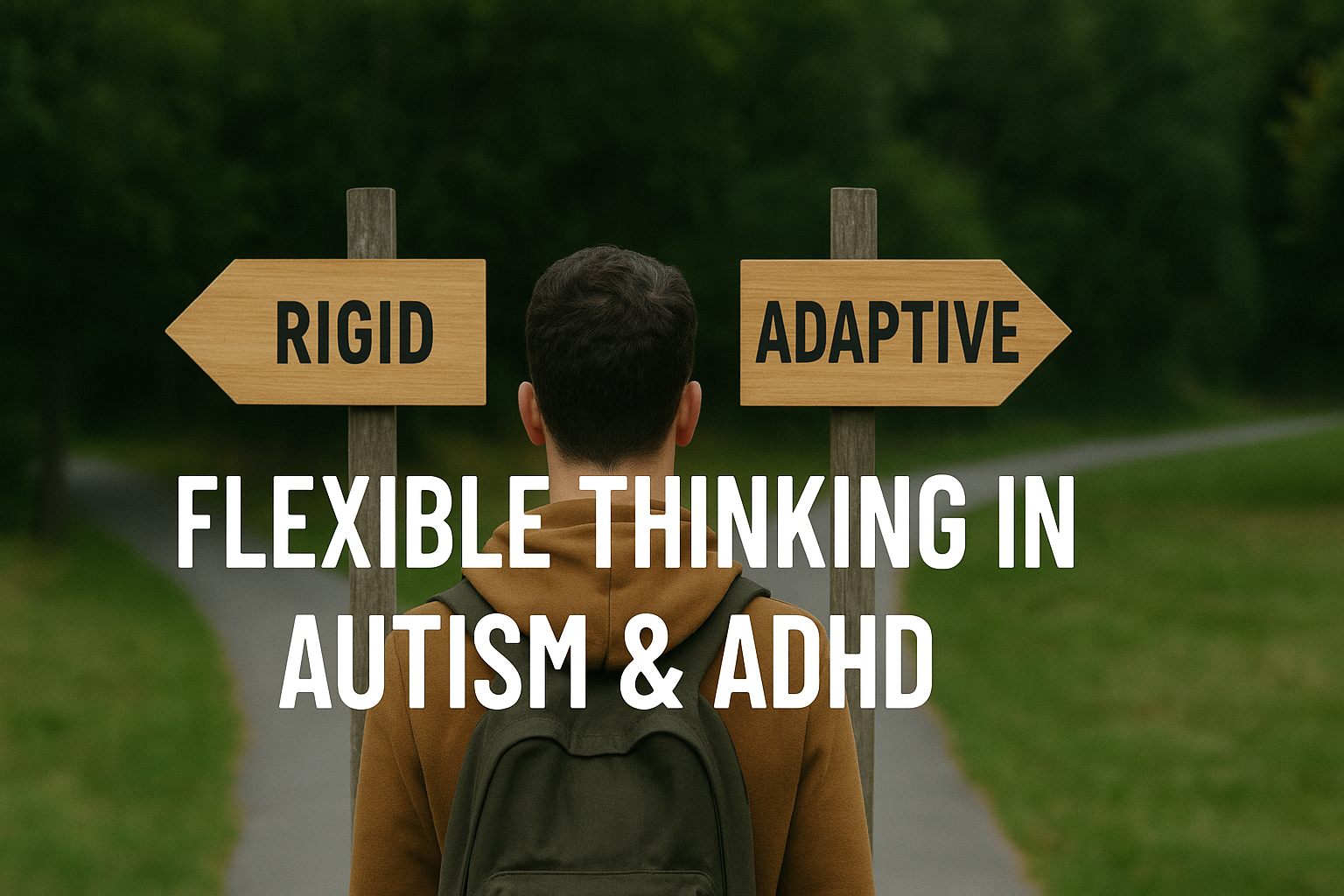
Understanding Flexible Thinking: Why Autistic and ADHD Young People Can Become Rigid — and Vulnerable to Outside Influence
Autistic and ADHD young people are often described as “rigid,” but this isn’t stubbornness — it’s a difference in flexible thinking. This blog explains why they may cling tightly to certain beliefs, become influenced by outside voices, and struggle to shift when something isn’t working. A supportive guide for families who want to understand and help their young person stay safe and informed.

Executive Functioning: The Missing Piece in Both Autism and ADHD
This blog explores why executive functioning differences are central to daily struggles, behaviour, and learning in autism and ADHD.