
When Flexible Thinking Causes Family Clashes
In a busy household, plans change constantly — and that’s exactly where clashes can start. This blog explains flexible thinking (cognitive flexibility), why it’s hard for ADHD and autistic brains, and how small changes become big rows.

“The Thoughts You Don’t Want: A Gentle Look at OCD and the Mind”
OCD isn’t about being tidy. It’s often about frightening, unwanted intrusive thoughts and the desperate need to feel certain and safe. This blog explains what intrusive thoughts are and how to respond gently.

Why Strengthening Executive Function Skills is a Game-Changer for Autistic & ADHD Brains
If mornings feel like juggling jelly, executive functions might be the missing piece. This blog explains the brain’s “air traffic control” system and why strengthening it is a game-changer for autistic and ADHD daily life.

Why Do I Think Like This? - Suicidal Thoughts, Autism, ADHD and the Pain of Feeling Constantly Criticised
If you feel like you’re always getting it wrong, constantly judged, or stuck in shame, you’re not broken. This blog explains how autism, ADHD and criticism sensitivity can create painful thought loops — and what can help.

Why Those Who Are Autistic or ADHD Are So Often Labelled “Manipulative
Being labelled “manipulative” can be deeply harmful for autistic and ADHD people. What looks like manipulation is often anxiety, overwhelm, and a need for safety — not bad intent.
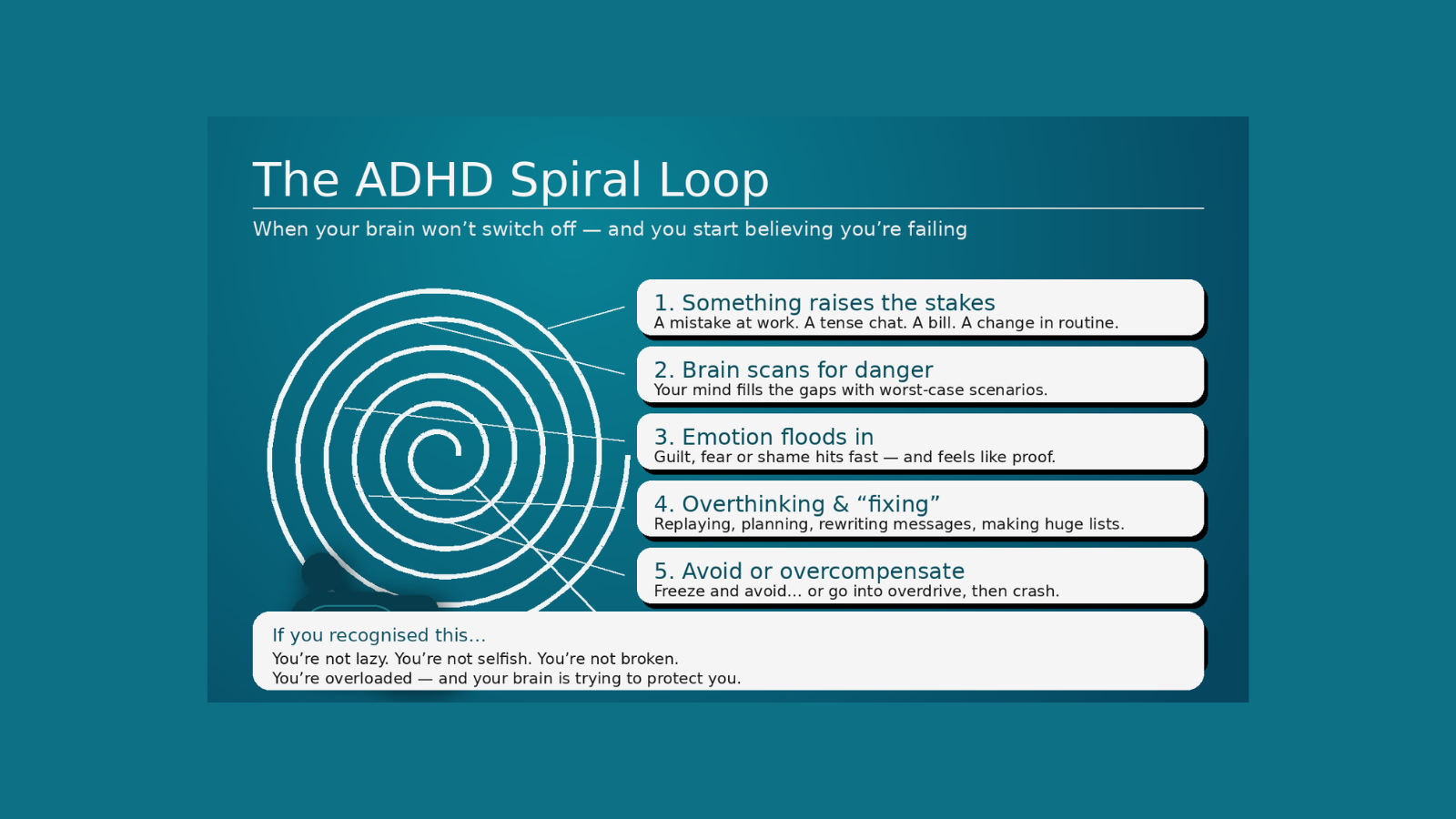
The ADHD spiral loop - When your brain won’t switch off, and you start believing you’re failing
When life gets heavy, many adults with ADHD fall into a predictable spiral: pressure triggers worst-case thinking, emotions flood in, overthinking takes over, and the brain flips into avoidance or overdrive—followed by shame. This post helps you recognise the ADHD spiral loop and understand why it isn’t laziness or selfishness.

We Are Spending Millions on SEN – But Are Children Actually Learning?
Following a Westminster debate on children’s services, one question is missing: are children actually learning? If the environment doesn’t engage the brain, no amount of SEN funding will make learning happen.

It’s Not Bad Behaviour — It’s an Undeveloped Skill
Schools are still punishing autistic and ADHD children for behaviours caused by undeveloped skills. This blog explains why that approach is harmful — and how misunderstanding neurodivergence is damaging children’s self-esteem, safety, and education.

When Everything Feels Personal: Understanding Criticism Sensitivity from Childhood Onwards
Many children and adults grow up feeling that everything is personal. This piece explores criticism sensitivity, how it develops in neurodivergent people, and why it often begins in childhood.
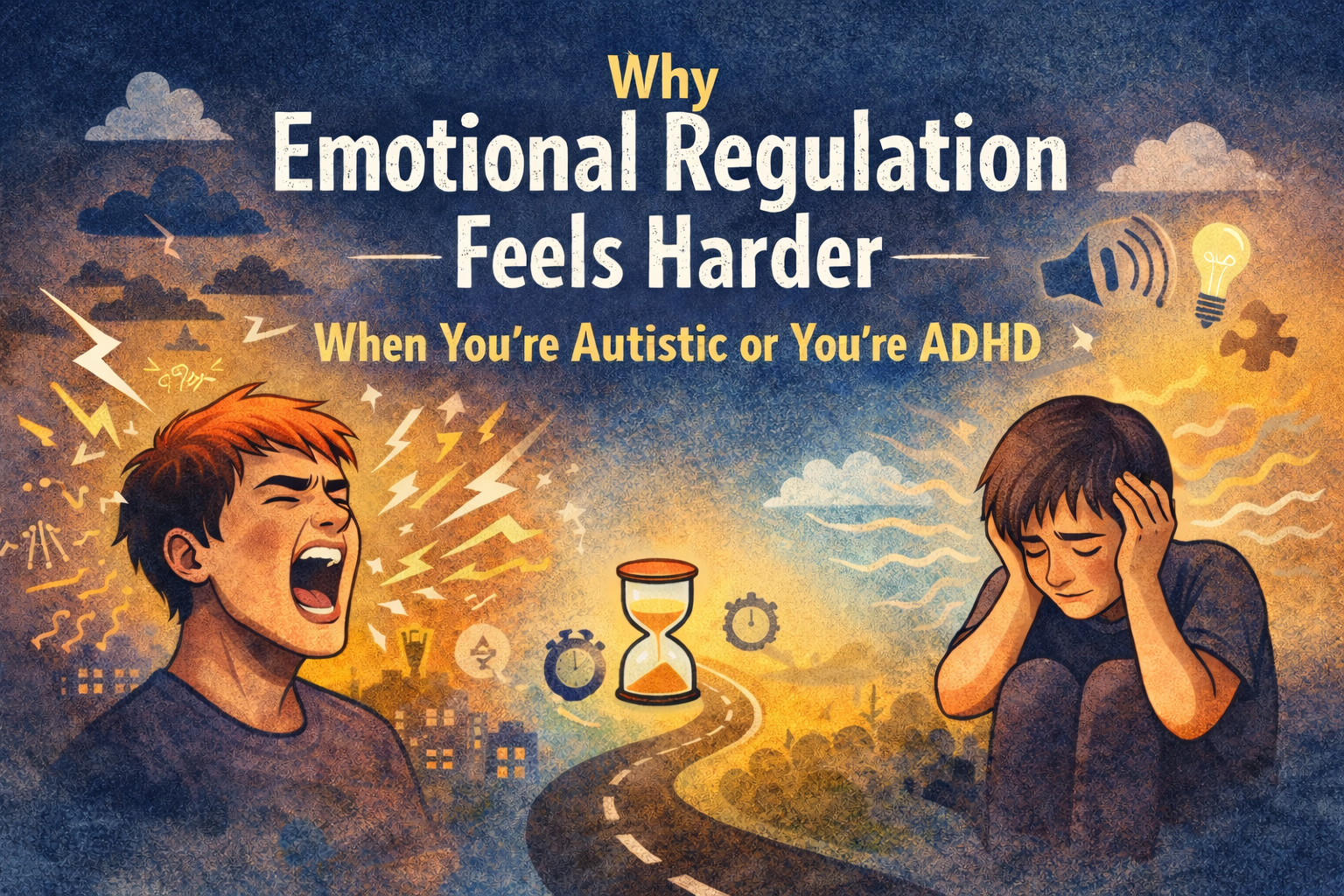
Why Emotional Regulation Is Harder When You’re Autistic or You’re ADHD – and Why Waiting Matters
If you’re autistic or you’re ADHD, emotional regulation can feel overwhelming. This blog explains how inhibitory control develops through waiting, why modern life removes that practice, and why this impacts autistic and ADHD brains more.
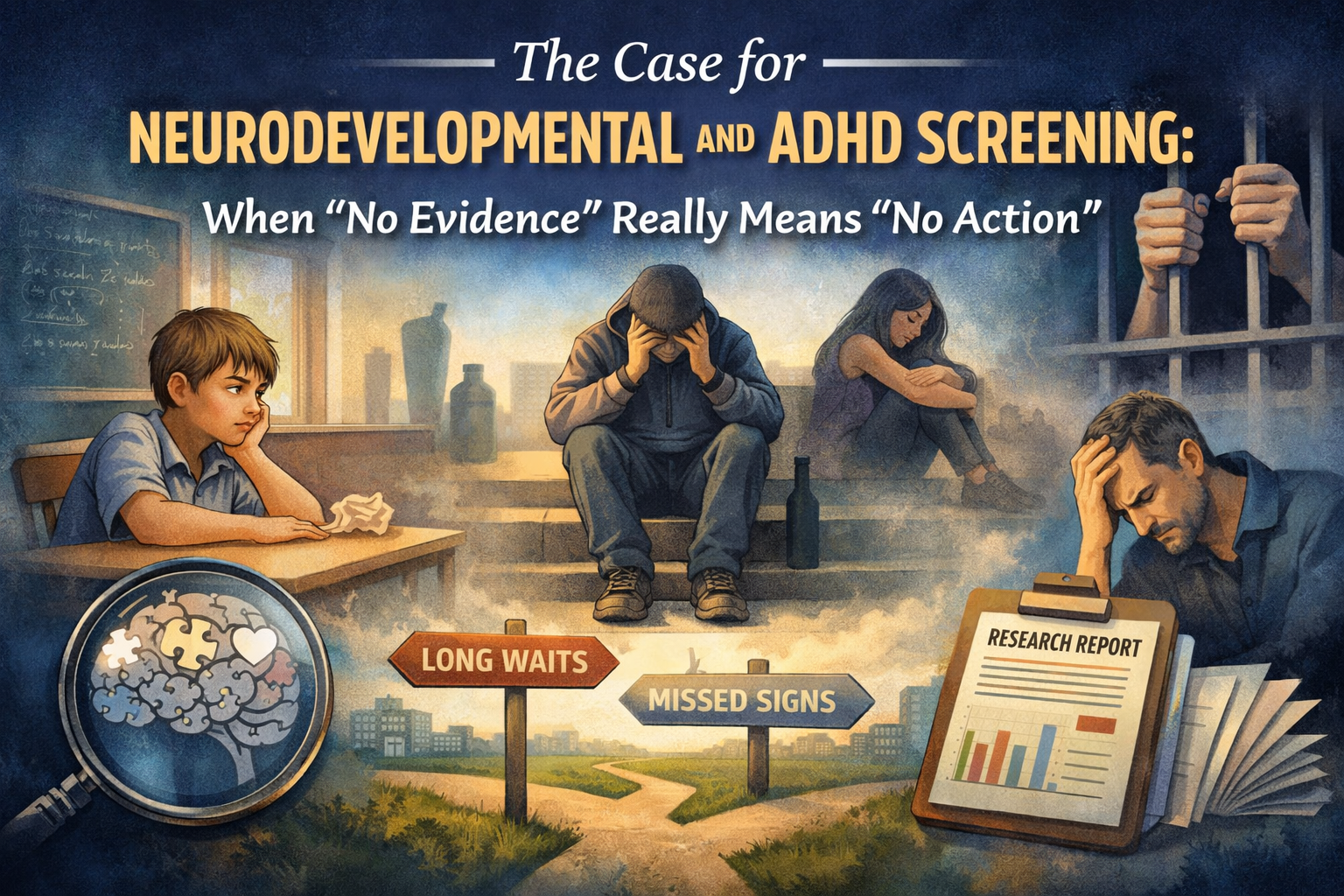
Why ‘No Evidence for Neurodevelopmental or ADHD Screening’ Isn’t the Same as ‘What’s Best for Children’
The Government has confirmed it will not support neurodevelopmental or ADHD screening for children, citing a lack of evidence. While early intervention is repeatedly acknowledged as essential, current pathways continue to rely on children reaching crisis before support begins. This blog explores the risks of delayed identification, the difference between screening and diagnosis, and what this decision means in real life for children and families.
The Four-Tier System: When Support Comes Too Late
The four-tier system is being discussed as a form of early intervention in SEND support. But many children don’t struggle early. Some cope through primary school and only begin to struggle later, often in secondary school when demands increase sharply. A system that requires children to move slowly through tiers risks delaying help until real damage has already been done. This blog explores why waiting for repeated failure is not early intervention — and why parents need to understand what may be coming.


When Motivation Is Missing: Understanding Low Motivation in Children and Adults with ADHD or Autism
“Low motivation isn’t laziness — it’s brain wiring.”
When dopamine doesn’t fire in the usual way, starting tasks can feel impossible for ADHD and autistic people. This blog explains why — and what genuinely helps.

Stop Moving the Goalposts: Why PDA Isn’t an Excuse for Poor Behaviour
Pathological Demand Avoidance is increasingly used to explain any challenging behaviour. But when PDA becomes a catch-all label, it stops helping those who genuinely experience it. This blog explains what PDA really is, why language matters, and why understanding behaviour means looking at the ‘why’, not excusing the ‘what’.
When Offence Replaces Recognition: The Cost to Neurodivergent Children
When professional discomfort with language delays early recognition of autism and ADHD, families pay the price. This blog explores how clarity, not comfort, is essential for timely support and better outcomes.

When Alexithymia and Interoception Differences Look Like Narcissism
Emotional distance is often labelled as narcissism, but for many people it reflects alexithymia and interoception differences. Understanding this distinction can change relationships.

The Importance of Psychoeducation in ADHD
ADHD is not caused by sugar, screens, or poor parenting. Psychoeducation helps families and professionals understand the science behind ADHD, reduce stigma, and improve long-term outcomes.

Why So Many Women Are Now Being Diagnosed With Autism and ADHD
Women are not suddenly becoming autistic or developing ADHD.
A generation of women was overlooked, misread, and forced to survive quietly until modern life removed the structures that helped them cope. This blog explains why diagnoses are rising now – and why this is overdue recognition, not overdiagnosis.

Awakening the Brain to Interact with Our Environment
Understanding how the brain processes sensory information is key to learning, behaviour, and daily life. This blog explores how our senses keep the brain alert and engaged with the world around us.