
“But What If Something Goes Wrong?” When a Child Cannot Stop Expecting the Worst
Some children constantly ask, “What if something goes wrong?” This repeated catastrophising can be an overlooked sign that a child is struggling with anxiety and uncertainty.

What We Say and Do Are Skills
What we say and do are not just choices, they are skills. This blog explores how behaviour can reflect difficulties with executive functioning, emotional regulation, sensory processing, anxiety and communication.
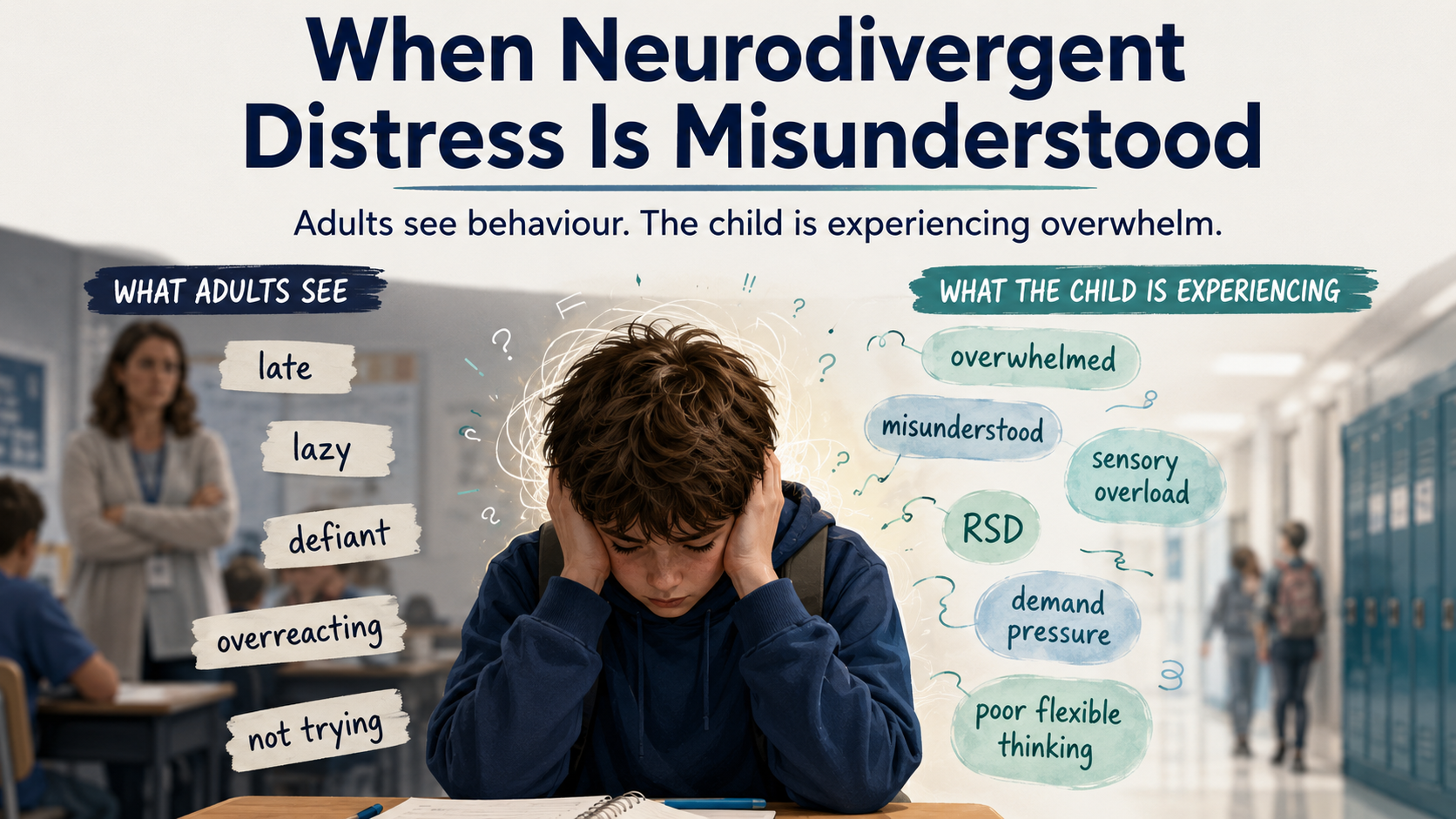
When Neurodivergent Children Are Misunderstood: The Hidden Distress Adults Keep Missing
Many neurodivergent children do not know they have ADHD, RSD, PDA-type demand anxiety, poor flexible thinking or sensory overload. They just know they keep being misunderstood. This blog explains why adults need to look beyond behaviour and recognise hidden distress before children reach crisis point.

Where Did the Time Go? Time Management and Executive Functioning
Time management is more than telling the time. For some children and adults with ADHD, autism or executive functioning difficulties, judging time, planning ahead and getting somewhere on time can feel really hard.
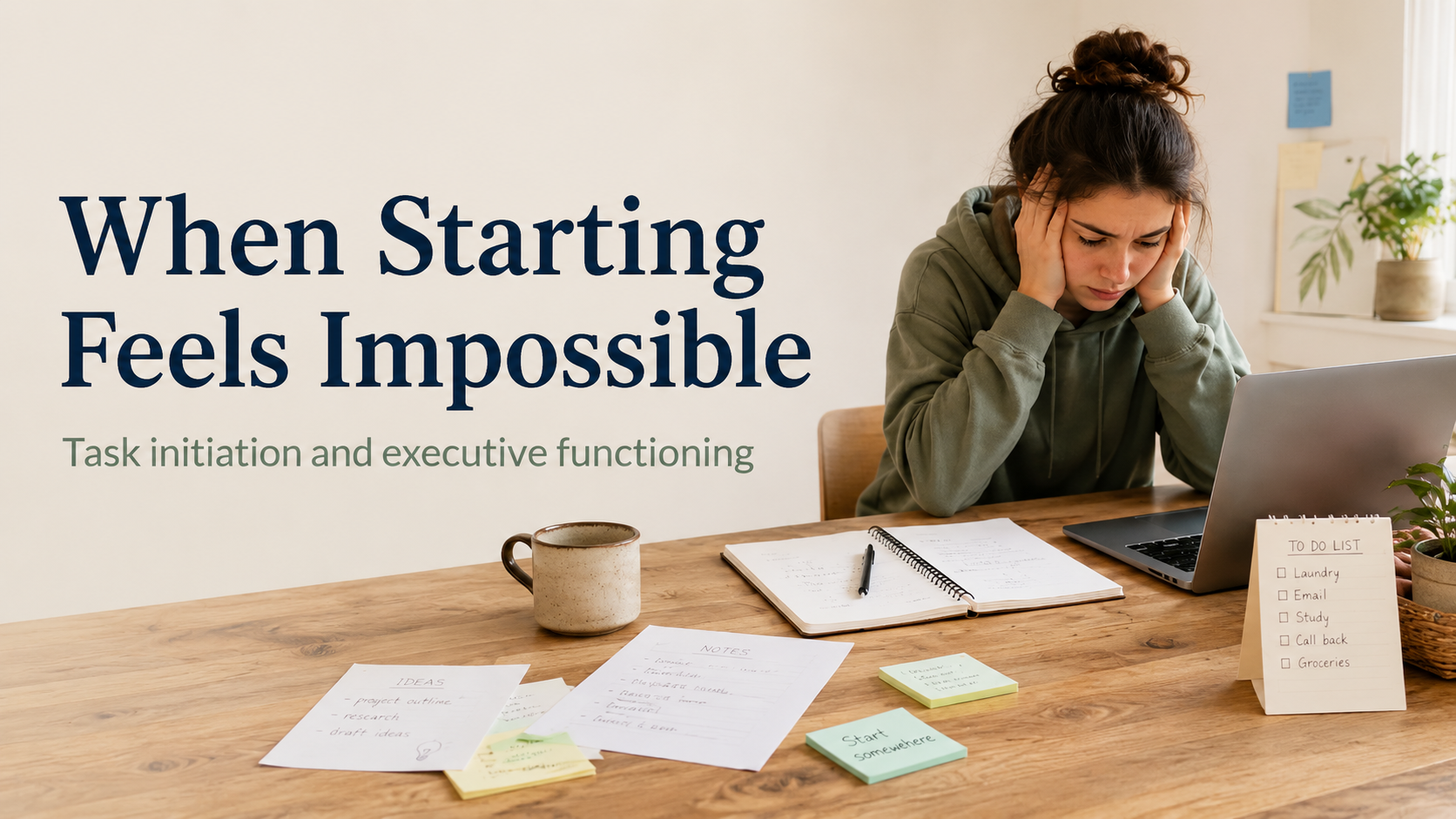
When Starting Feels Impossible: Task Initiation and Executive Functioning
Task initiation is the executive functioning skill that helps us get started. When this skill is weak, children and adults may look lazy or defiant, but often they are stuck at the starting point.
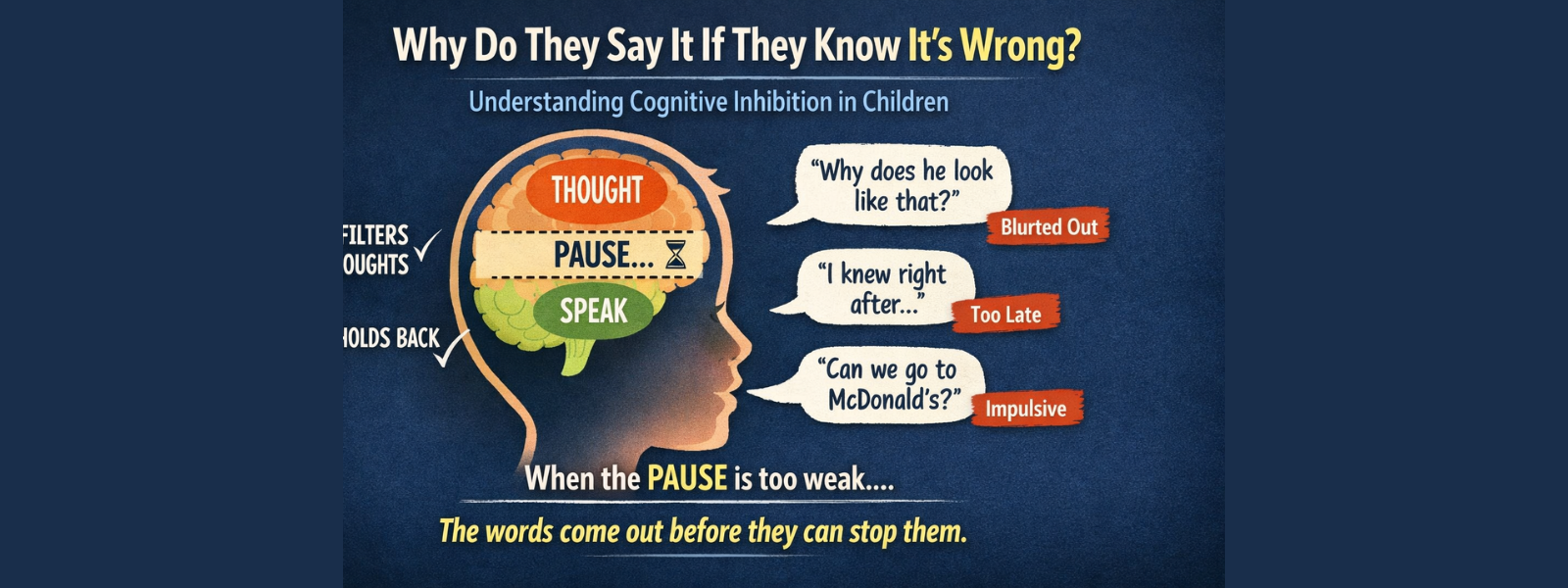
“Why Do They Say It If They Know It’s Wrong?” Understanding Cognitive Inhibition in Children
Some children say things that seem rude, off-topic, or inappropriate—yet they know it wasn’t right. This blog explains cognitive inhibition and why the brain struggles to filter thoughts in real time.

He Meant to Come Home… So Why Did He End Up in the Pub Again?
He said he was coming straight home, and he meant it.
So why did he still end up in the pub?
This blog explores ADHD, impulse, alcohol, and why understanding these skills early could change lives.
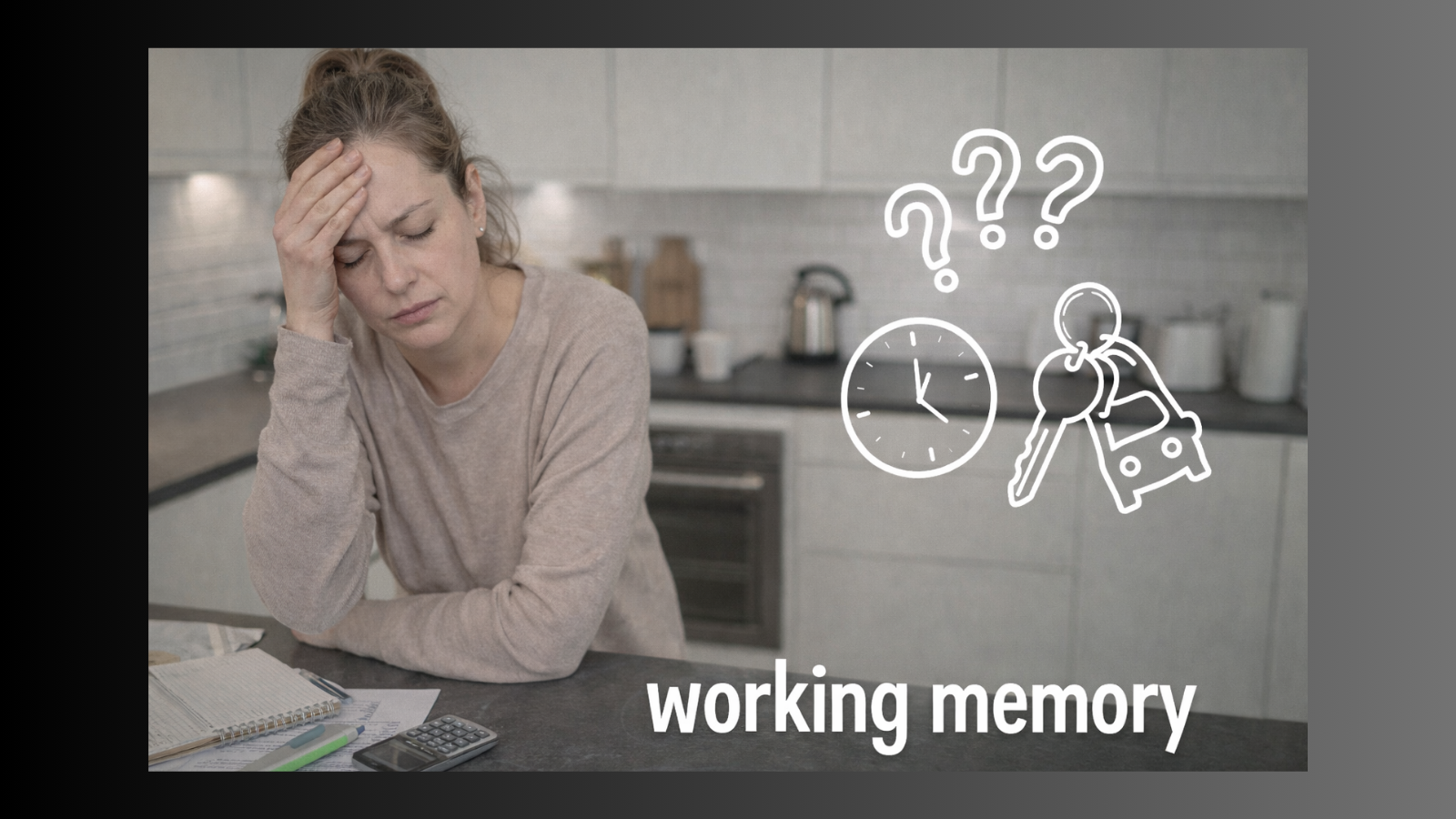
Why Your Child Forgets Instructions — And Why You Might Recognise This in Yourself Too
Ever walked into a room and forgotten why you went there? That’s working memory. This blog explains how it impacts everyday life and why it’s not about trying harder.
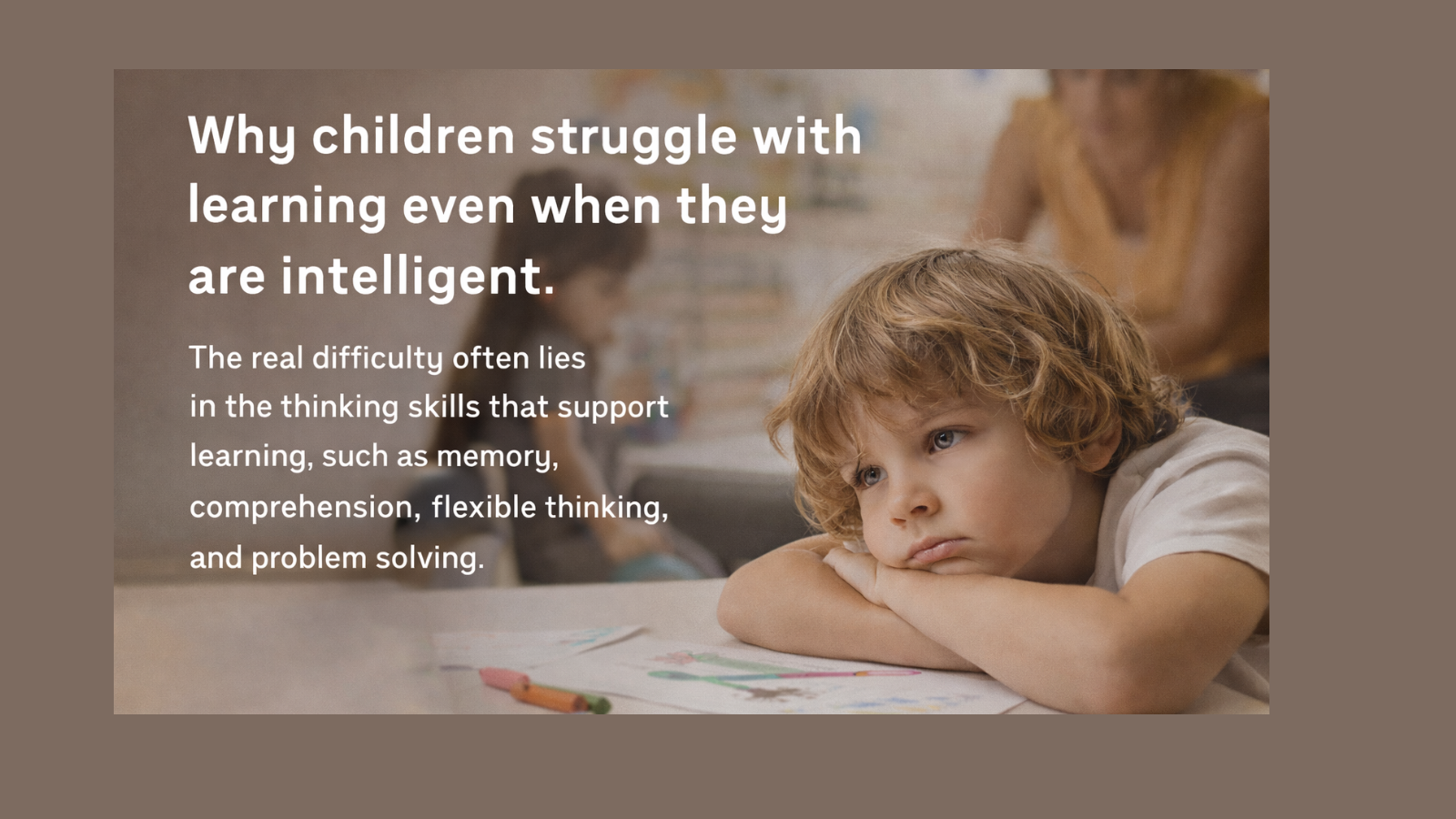
Why Some Intelligent Children Still Struggle to Learn
Many children who struggle in school are not lacking intelligence. Often the difficulty lies in the thinking skills that support learning. This article explores how cognitive abilities and executive functioning affect learning, and why the Structure of Intellect (SOI) approach can help identify where support is needed.

Understanding Alexithymia: The Invisible Emotional Barrier
Alexithymia affects the ability to recognise and describe emotions. This article explains what alexithymia is, why it occurs, and how it impacts relationships and emotional wellbeing.

It’s Not Laziness: How Executive Function Gaps Shape Teen Motivation
Many teenagers with ADHD are labelled as lazy or unmotivated, but the real issue often lies in executive functioning. Skills like initiation, time management, prioritising, and sustained attention develop differently in ADHD brains. When these brain systems struggle, everyday expectations such as homework, organisation, and starting tasks can feel overwhelming. Understanding the role of executive functioning and dopamine can help families move from frustration and blame toward understanding and support.
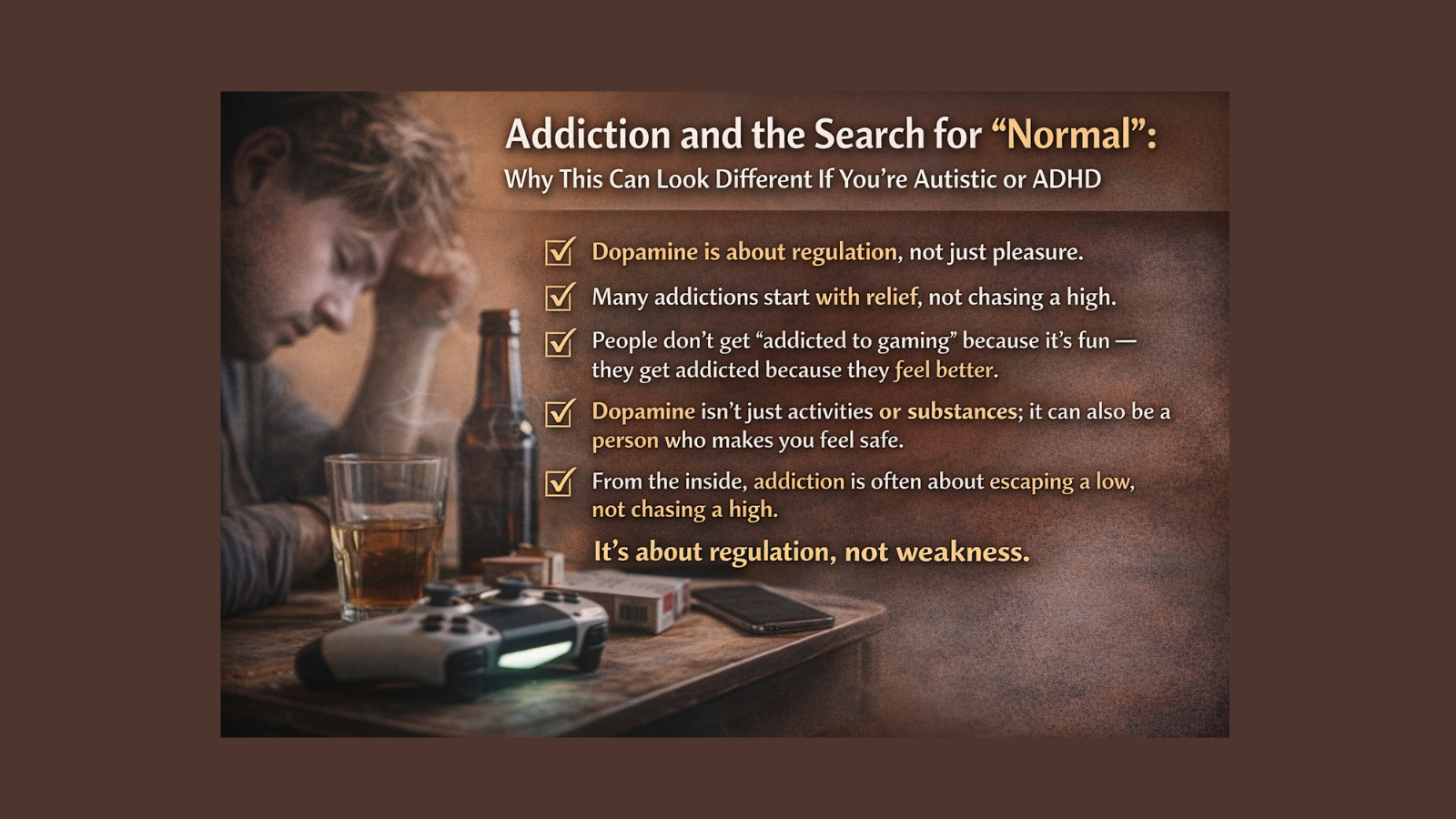
Addiction and the Search for “Normal”
Addiction is often misunderstood as a lack of willpower. This blog explores how dopamine, regulation, and nervous system needs can make addiction risk higher if you’re autistic or ADHD — and why it’s often about escaping a low, not chasing a high.
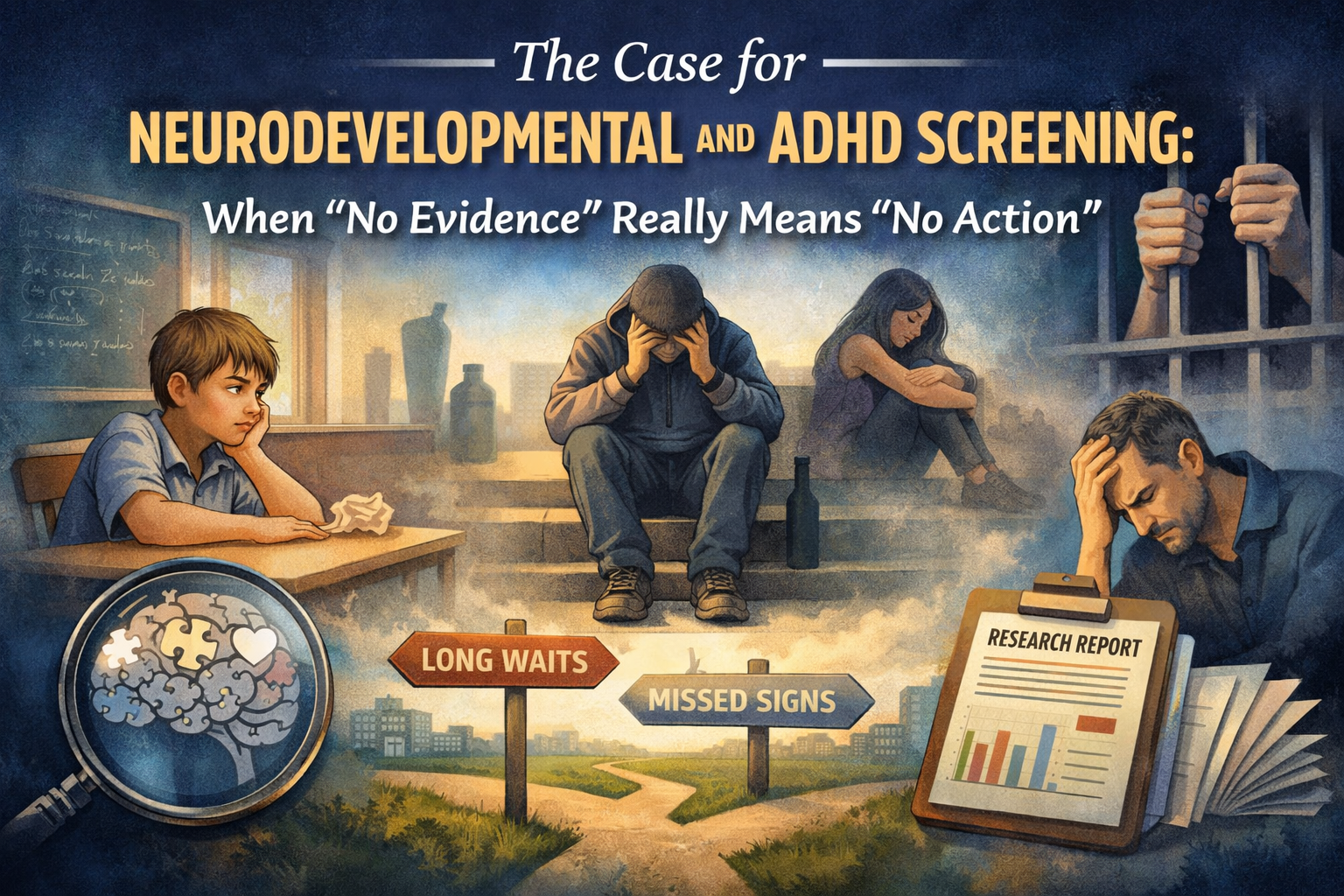
Why ‘No Evidence for Neurodevelopmental or ADHD Screening’ Isn’t the Same as ‘What’s Best for Children’
The Government has confirmed it will not support neurodevelopmental or ADHD screening for children, citing a lack of evidence. While early intervention is repeatedly acknowledged as essential, current pathways continue to rely on children reaching crisis before support begins. This blog explores the risks of delayed identification, the difference between screening and diagnosis, and what this decision means in real life for children and families.

Executive Function in Autism & ADHD – Same Skills, Different Weak Spots
Executive functioning skills are the same in autism and ADHD, but the weak spots are often different. This blog explains flexible thinking, working memory, and inhibitory control in a clear, real-life way.
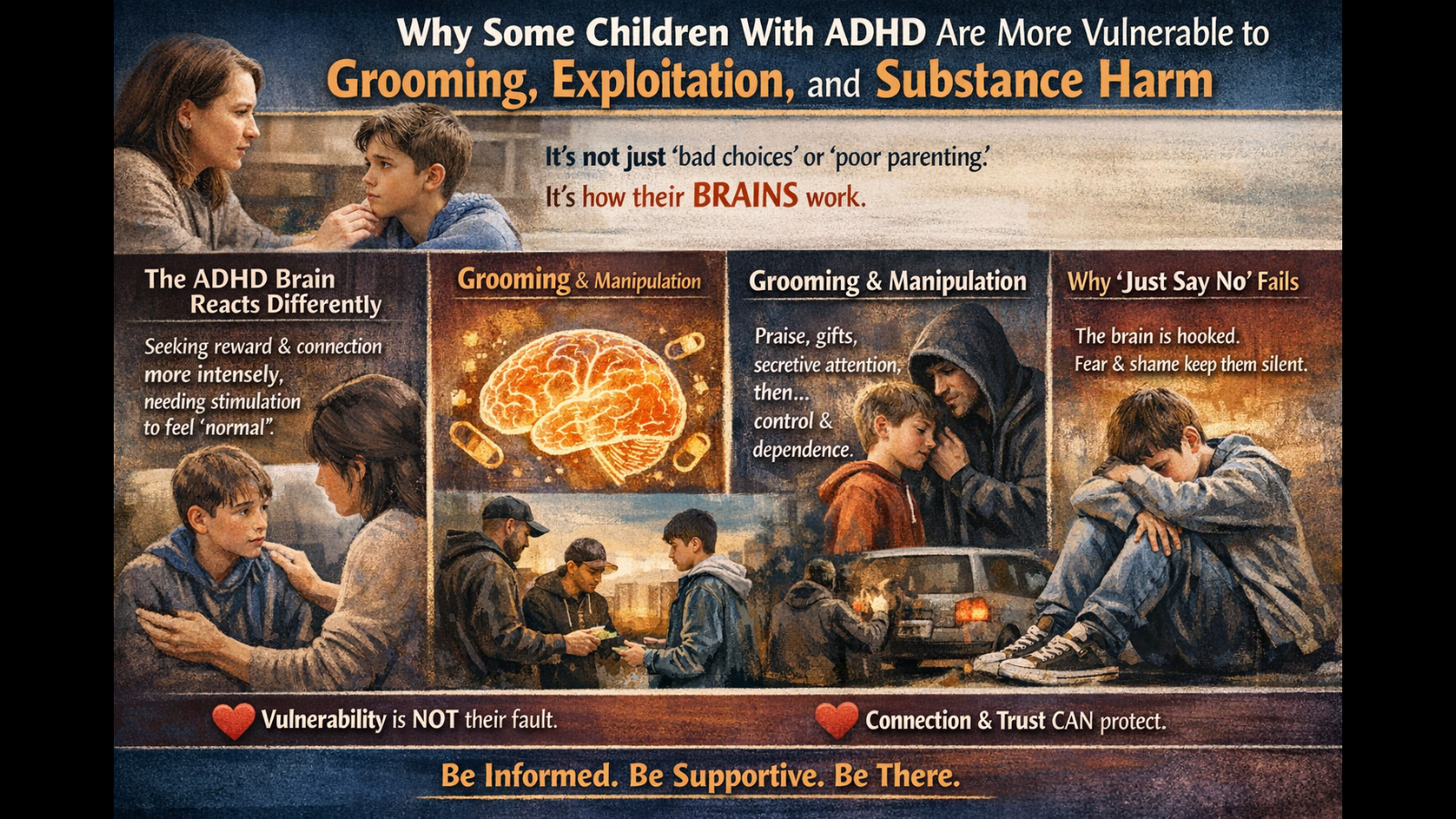
ADHD and Vulnerability: Grooming, County Lines, and the Role of the Brain
Some children with ADHD are more vulnerable to grooming, exploitation, and substance harm — not because of bad parenting or poor choices, but because of how their brains process reward, connection, and emotional regulation. This blog explains why, and what parents need to know to protect their children.

The Intricate Link Between Low Dopamine, ADHD, and Depression
Low dopamine plays a major role in ADHD and mood. This post explains how dopamine affects focus, motivation and emotional wellbeing.