
What We Say and Do Are Skills
What we say and do are not just choices, they are skills. This blog explores how behaviour can reflect difficulties with executive functioning, emotional regulation, sensory processing, anxiety and communication.
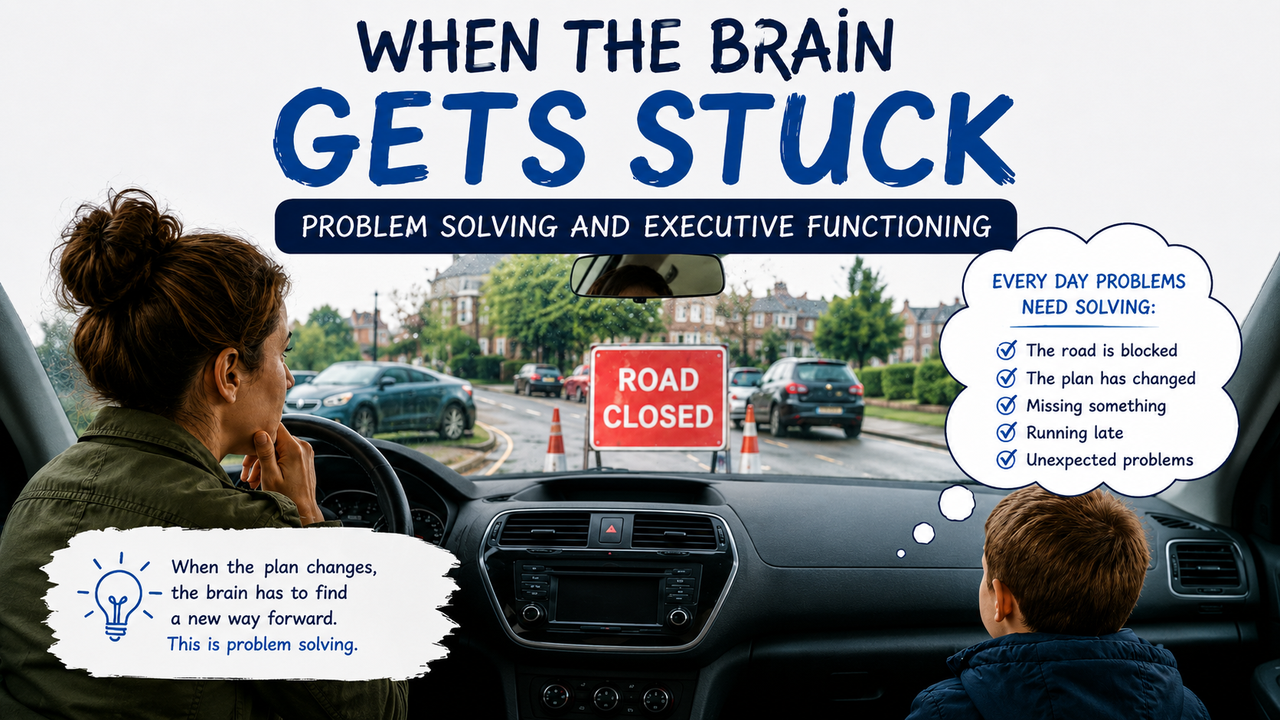
When the Brain Gets Stuck: Problem Solving and Executive Functioning
Problem solving is an executive functioning skill we use all day, every day. When this skill is difficult, small problems can feel overwhelming and lead to big reactions.

He Meant to Come Home… So Why Did He End Up in the Pub Again?
He said he was coming straight home, and he meant it.
So why did he still end up in the pub?
This blog explores ADHD, impulse, alcohol, and why understanding these skills early could change lives.

It’s Not Laziness: How Executive Function Gaps Shape Teen Motivation
Many teenagers with ADHD are labelled as lazy or unmotivated, but the real issue often lies in executive functioning. Skills like initiation, time management, prioritising, and sustained attention develop differently in ADHD brains. When these brain systems struggle, everyday expectations such as homework, organisation, and starting tasks can feel overwhelming. Understanding the role of executive functioning and dopamine can help families move from frustration and blame toward understanding and support.
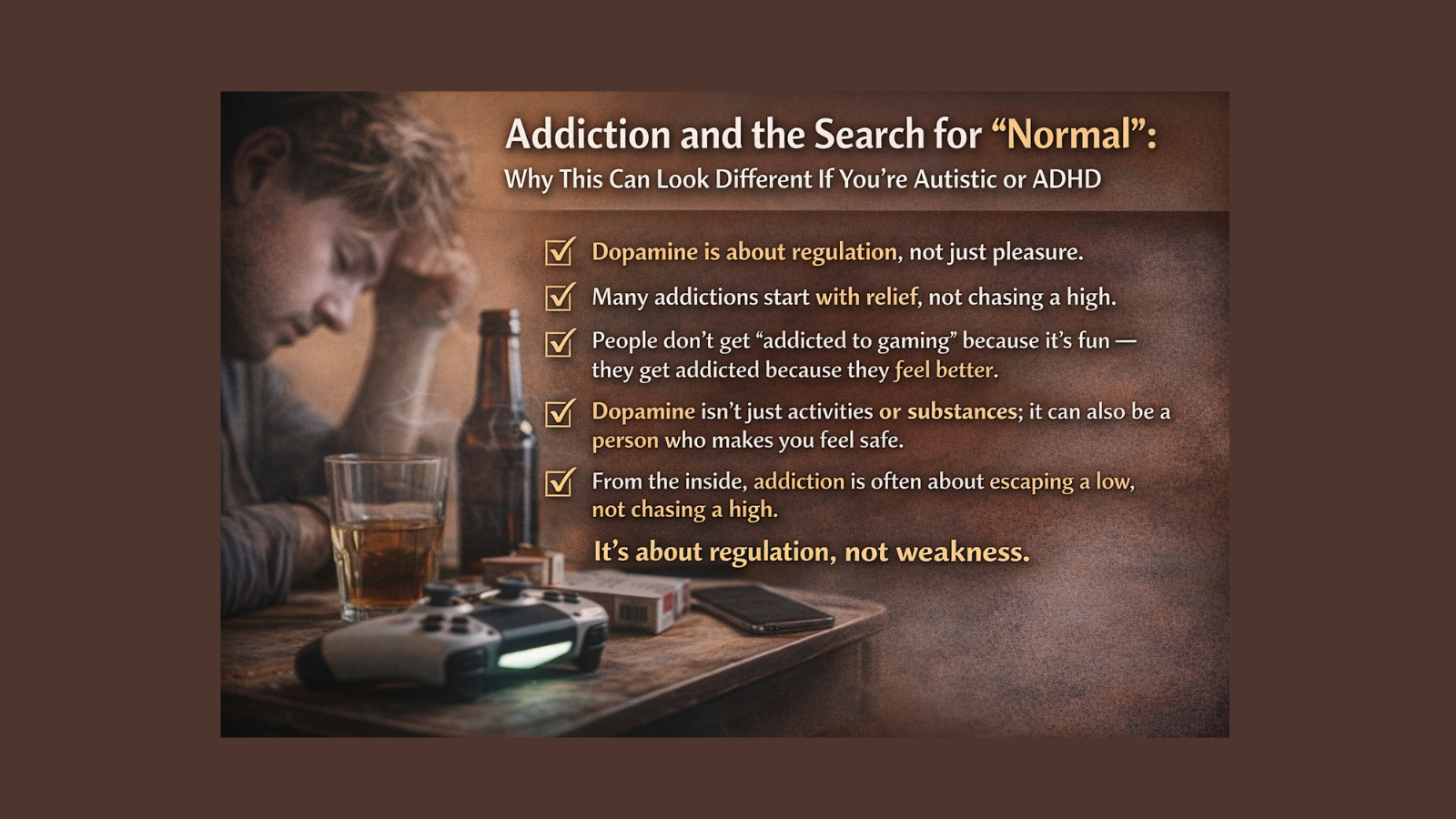
Addiction and the Search for “Normal”
Addiction is often misunderstood as a lack of willpower. This blog explores how dopamine, regulation, and nervous system needs can make addiction risk higher if you’re autistic or ADHD — and why it’s often about escaping a low, not chasing a high.

It’s Not Bad Behaviour — It’s an Undeveloped Skill
Schools are still punishing autistic and ADHD children for behaviours caused by undeveloped skills. This blog explains why that approach is harmful — and how misunderstanding neurodivergence is damaging children’s self-esteem, safety, and education.
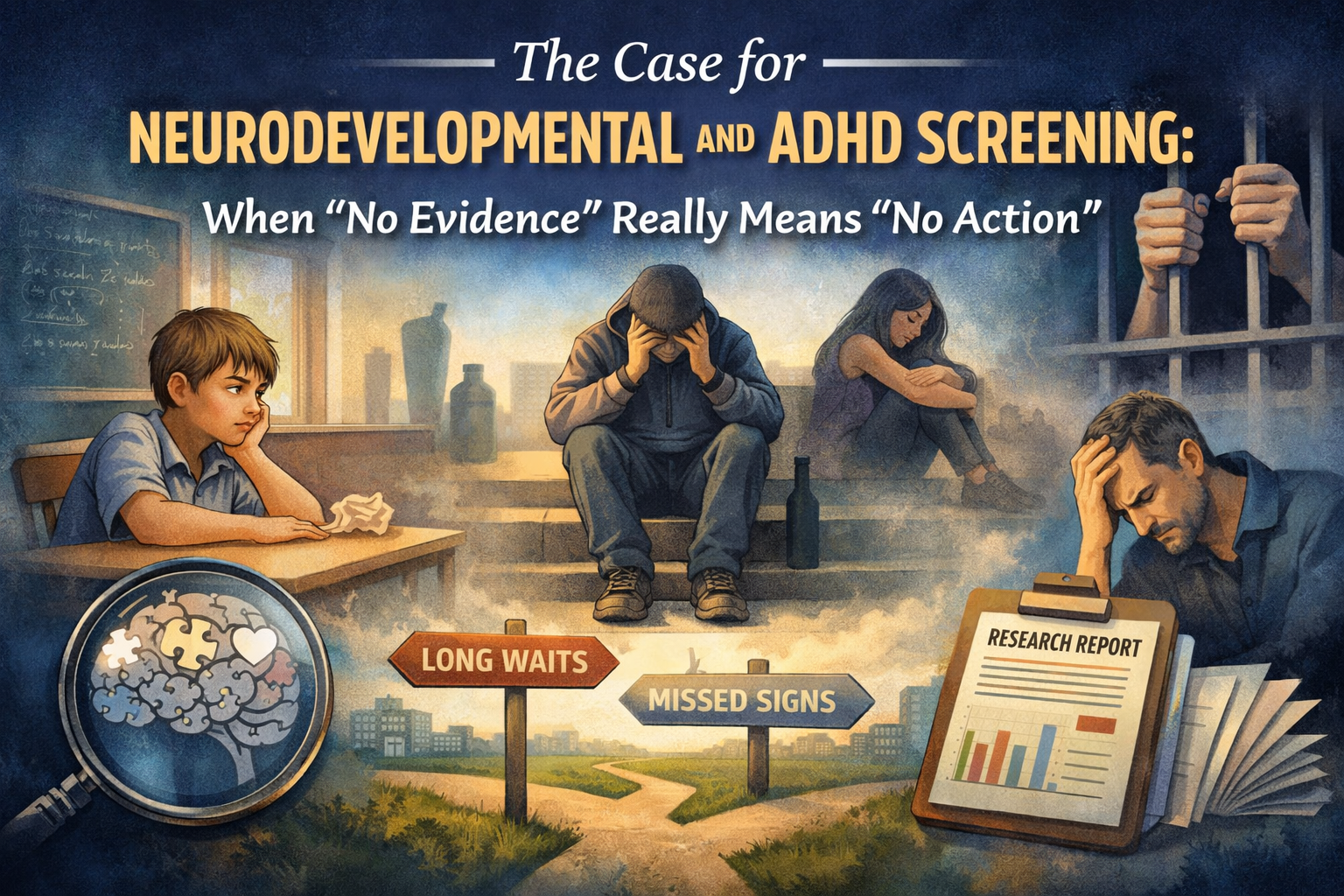
Why ‘No Evidence for Neurodevelopmental or ADHD Screening’ Isn’t the Same as ‘What’s Best for Children’
The Government has confirmed it will not support neurodevelopmental or ADHD screening for children, citing a lack of evidence. While early intervention is repeatedly acknowledged as essential, current pathways continue to rely on children reaching crisis before support begins. This blog explores the risks of delayed identification, the difference between screening and diagnosis, and what this decision means in real life for children and families.
The Four-Tier System: When Support Comes Too Late
The four-tier system is being discussed as a form of early intervention in SEND support. But many children don’t struggle early. Some cope through primary school and only begin to struggle later, often in secondary school when demands increase sharply. A system that requires children to move slowly through tiers risks delaying help until real damage has already been done. This blog explores why waiting for repeated failure is not early intervention — and why parents need to understand what may be coming.

Explaining Social Fatigue to Friends or a Partner
Social fatigue isn’t rudeness or lack of interest. For autistic and ADHD people, it’s mental exhaustion after socialising. This blog explains how to communicate limits without guilt.

For Nearly 3 Years, SENCOs Can Hold Their Role Without Training – No Wonder ADHD Kids Are Failed
SENCos can hold their role for nearly three years without mandatory training. This article examines how that gap contributes to ADHD children being misunderstood, mislabelled, excluded, and ultimately failed by an education system that hasn’t evolved to meet neurodivergent needs.

From the Classroom to the Courtroom: Why ADHD Support Could Break the School-to-Prison Pipeline
Undiagnosed ADHD is often punished instead of supported — pushing vulnerable young people from school exclusion into the criminal justice system. This cycle is preventable.