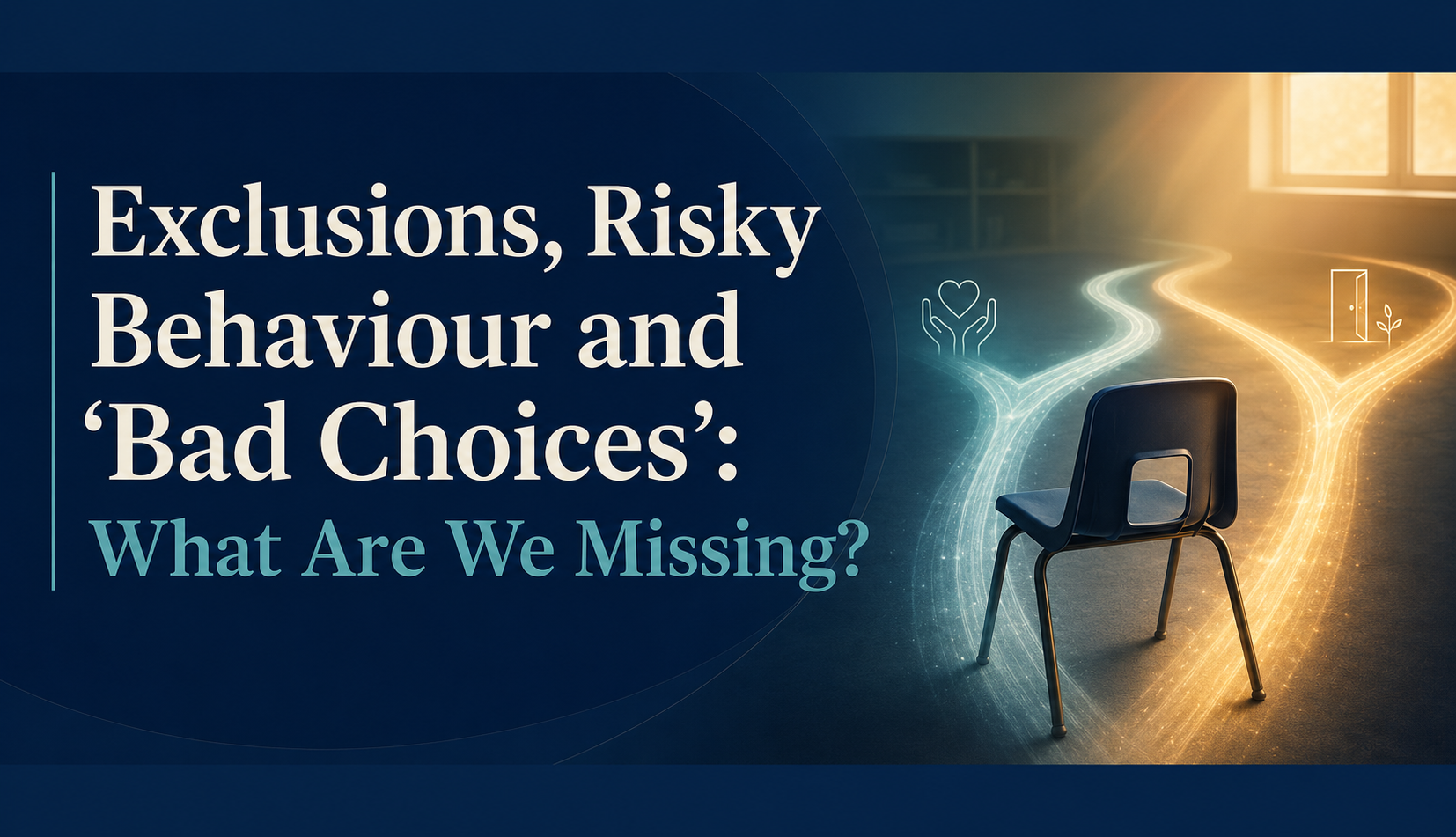
Exclusions, Risky Behaviour and “Bad Choices”: What Are We Missing?
When a young person repeatedly makes risky choices, we often focus on their behaviour. But what if they struggle to think of another response, judge the consequences or use what they know in the moment? This blog explores how SOI Learning Profile Assessments can identify and strengthen the abilities behind decision-making.
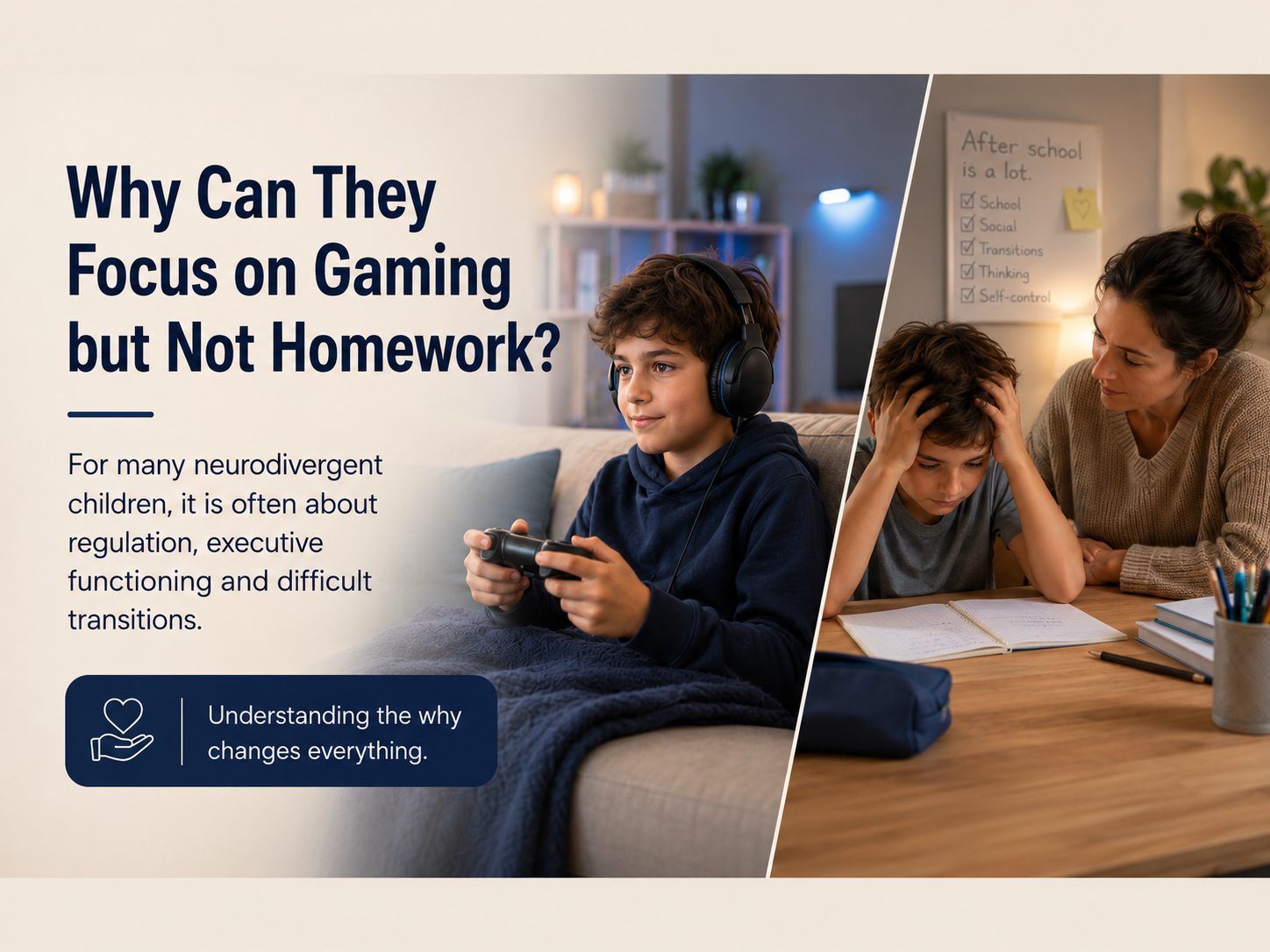
Why Can My Child Concentrate on a Game but Not Homework?
Screen meltdowns are often misunderstood as addiction, defiance or bad parenting. For many ADHD and neurodivergent children, gaming may be the only regulation tool they have left after a draining school day. This blog explains what may really be happening underneath.
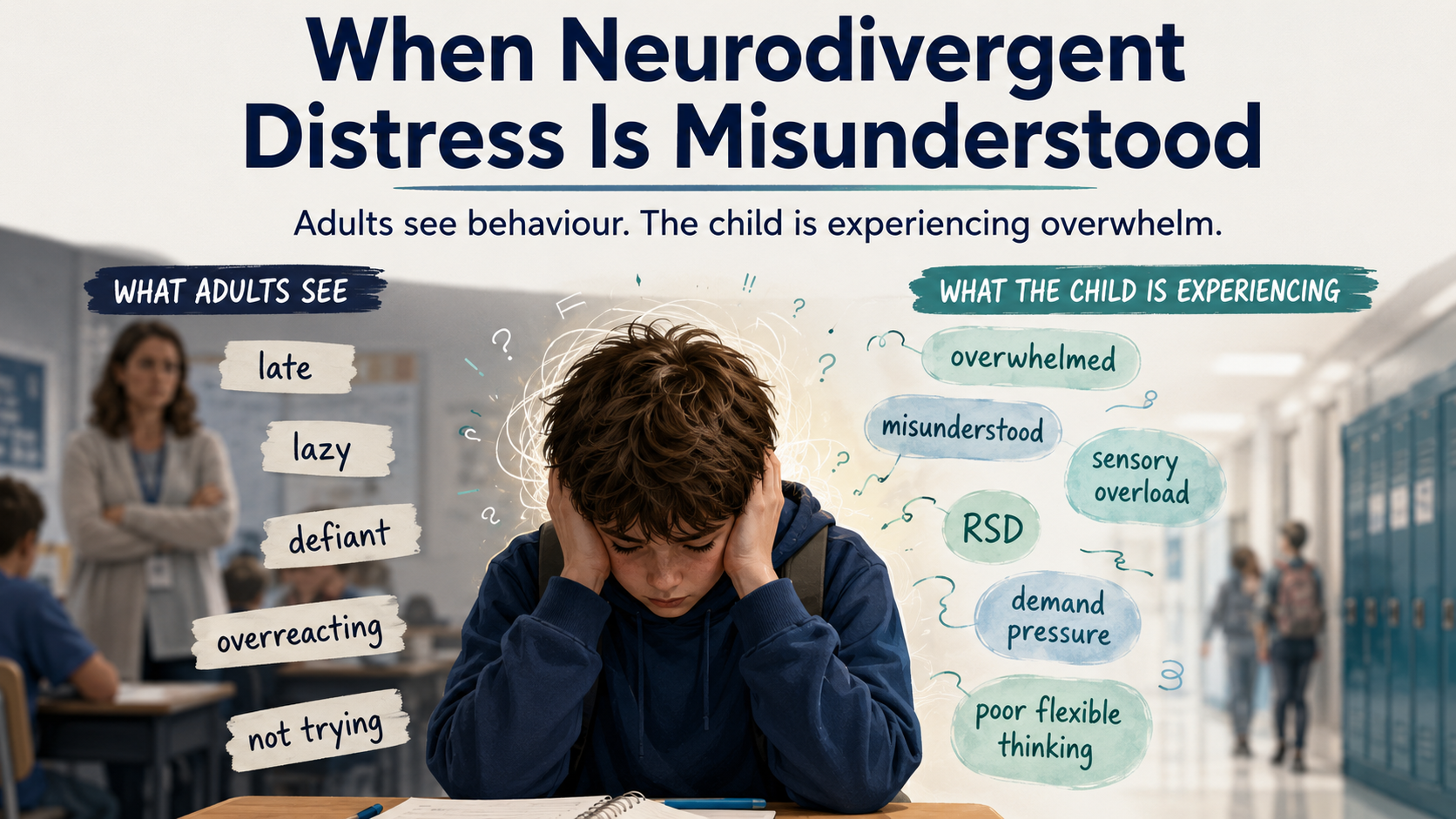
When Neurodivergent Children Are Misunderstood: The Hidden Distress Adults Keep Missing
Many neurodivergent children do not know they have ADHD, RSD, PDA-type demand anxiety, poor flexible thinking or sensory overload. They just know they keep being misunderstood. This blog explains why adults need to look beyond behaviour and recognise hidden distress before children reach crisis point.
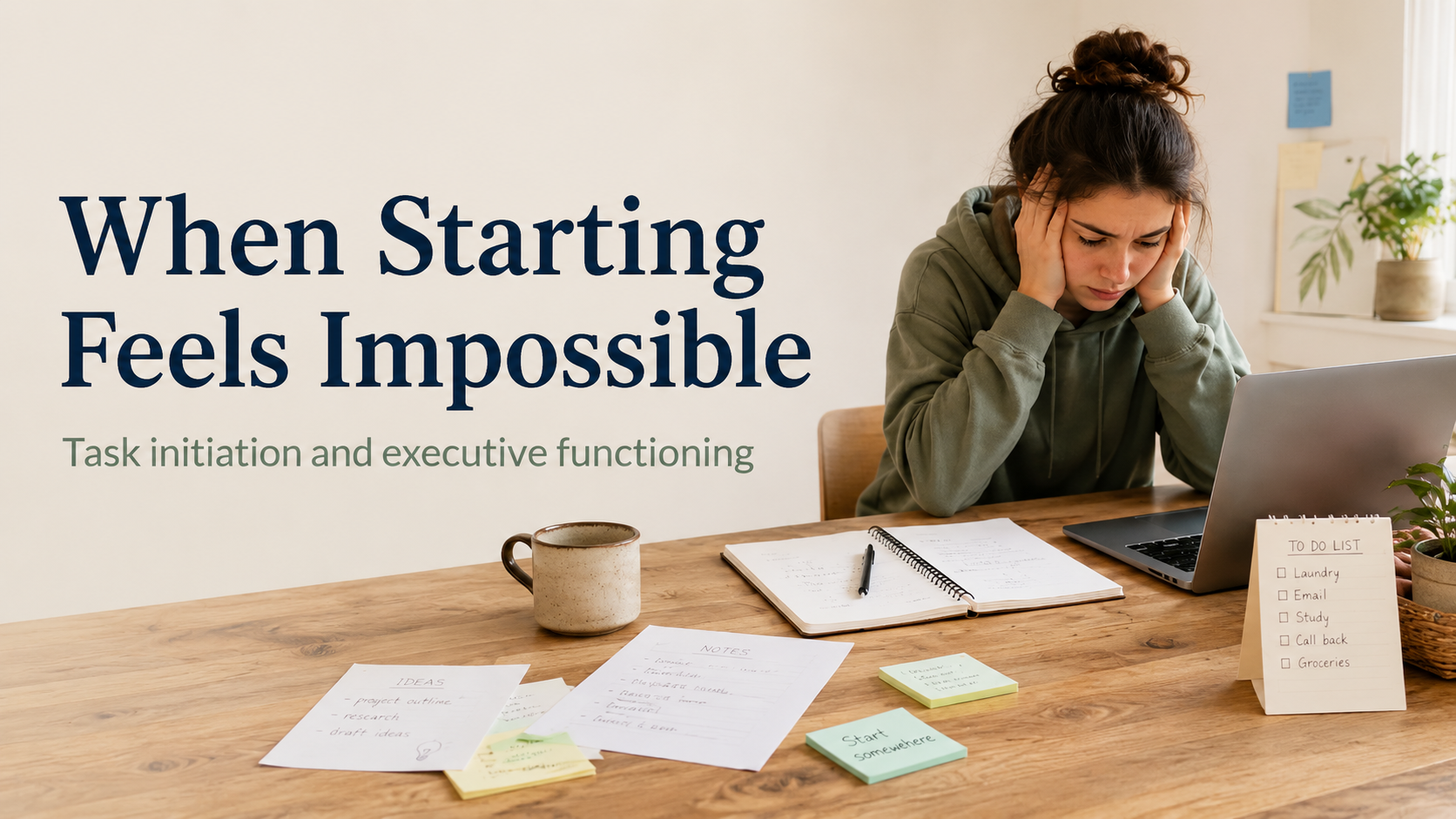
When Starting Feels Impossible: Task Initiation and Executive Functioning
Task initiation is the executive functioning skill that helps us get started. When this skill is weak, children and adults may look lazy or defiant, but often they are stuck at the starting point.
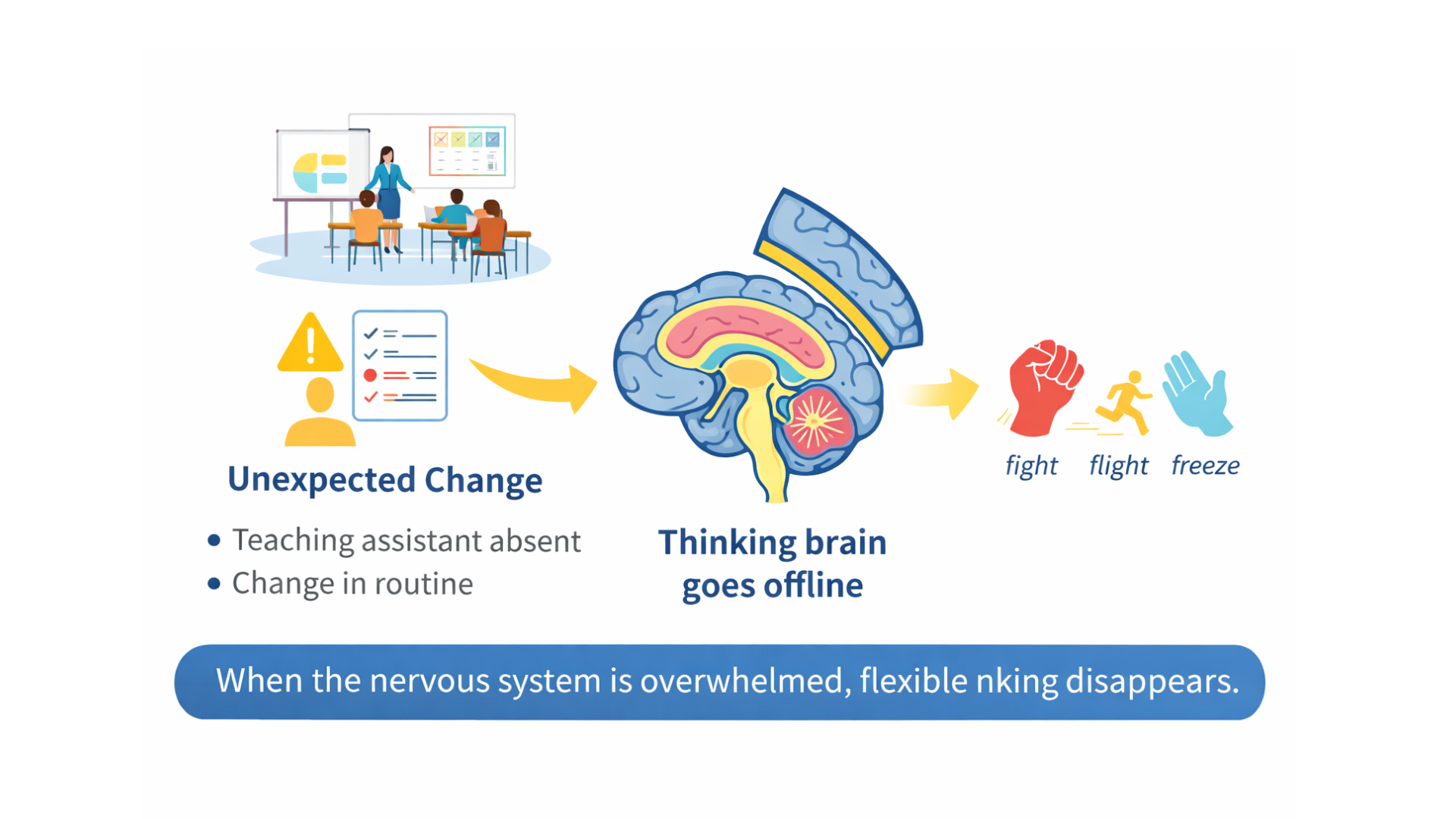
When a Child “Flips Their Lid”: What Teachers Often Miss
When a child reacted strongly to discovering her usual teaching assistant was absent, the behaviour was seen as defiance. But what teachers witnessed was actually the result of a nervous system response known as “flipping your lid.” Understanding the brain behind the behaviour can completely change how schools respond.
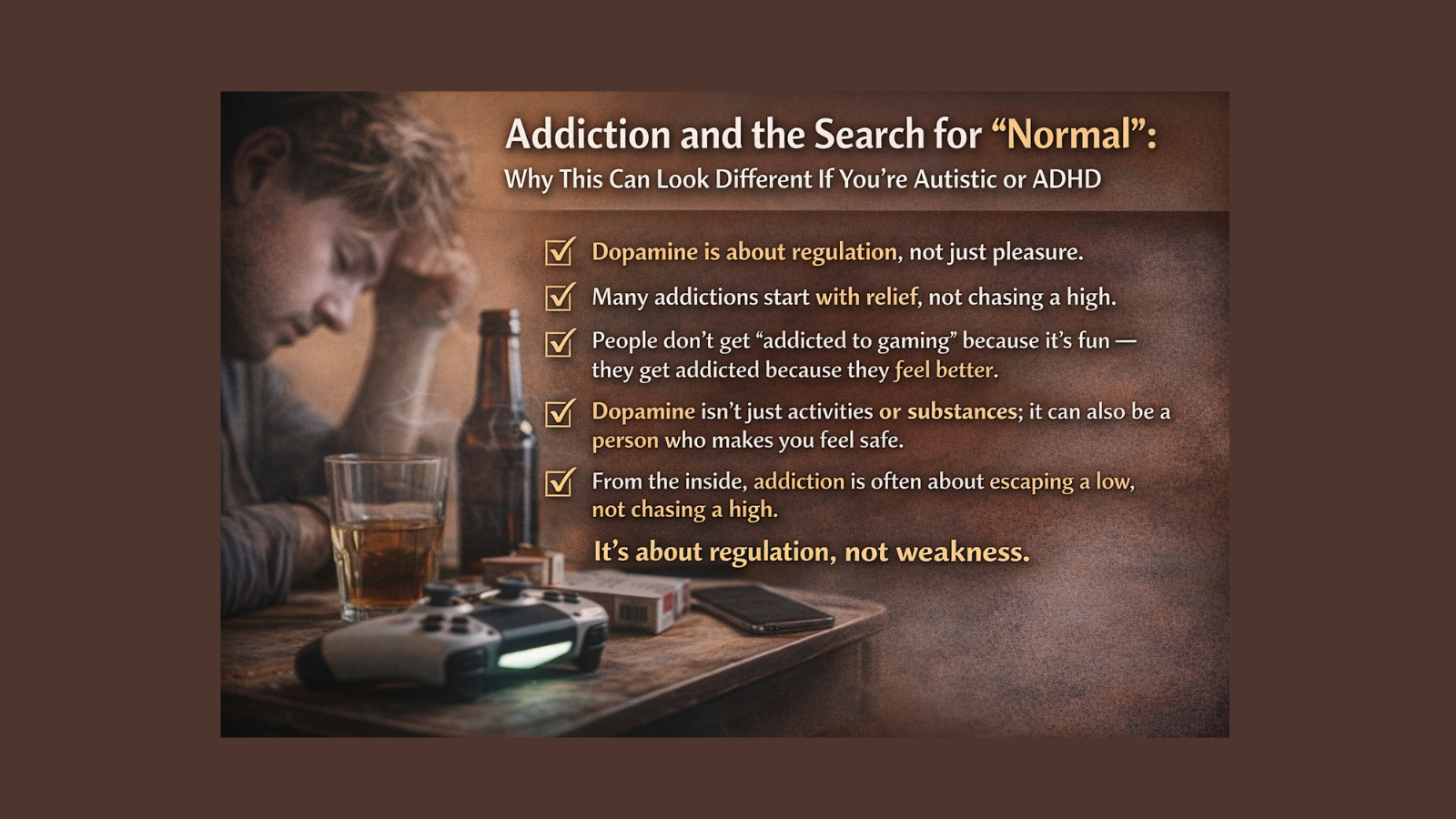
Addiction and the Search for “Normal”
Addiction is often misunderstood as a lack of willpower. This blog explores how dopamine, regulation, and nervous system needs can make addiction risk higher if you’re autistic or ADHD — and why it’s often about escaping a low, not chasing a high.
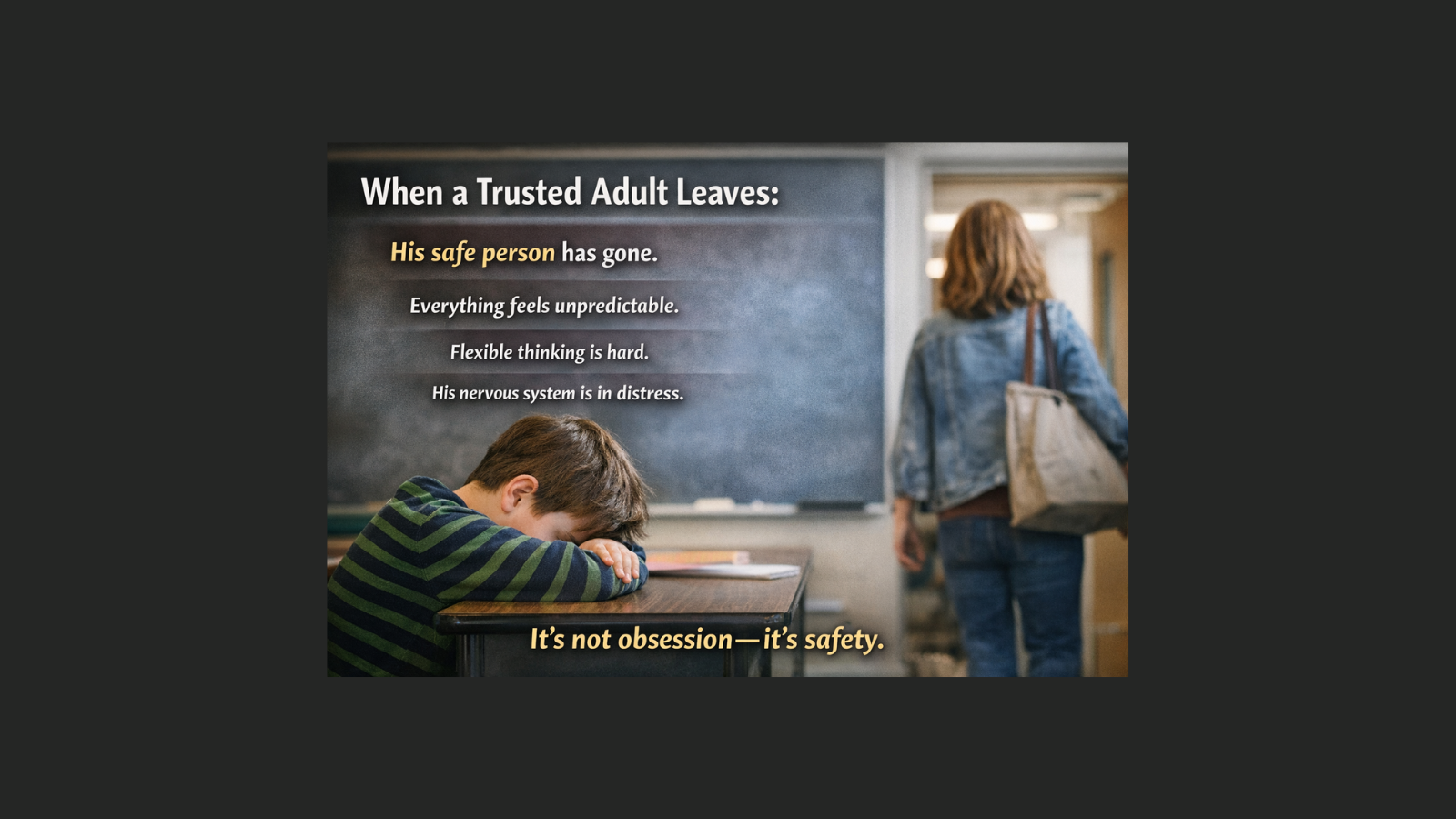
“They Were Fine Until the TA Left”: Understanding Attachment in Autism and ADHD
When a trusted adult leaves school, some children seem to fall apart overnight. This blog explains why, if you are autistic or ADHD, safety and predictability matter more than people realise.